
Cranberries grow as low, trailing woody vines that spread across the ground in dense mats, rooting into acidic, sandy, moisture-rich soil. They don't grow on bushes, and they don't need to be submerged in water to actually fruit. That flooding you've seen in harvest photos? That's a harvesting technique, not how the plant lives day to day. ...If you can give them highly acidic soil (pH 4.0 to 5.5), consistent moisture, full sun, and good drainage between waterings, you can grow cranberries at home... It takes patience, but it's very doable once you understand what the plant is actually asking for.
How Do Cranberries Grow: Wild and Home Growing Steps
Marcus Holloway
24 Mar 2026
The Natural Conditions Cranberries Come From
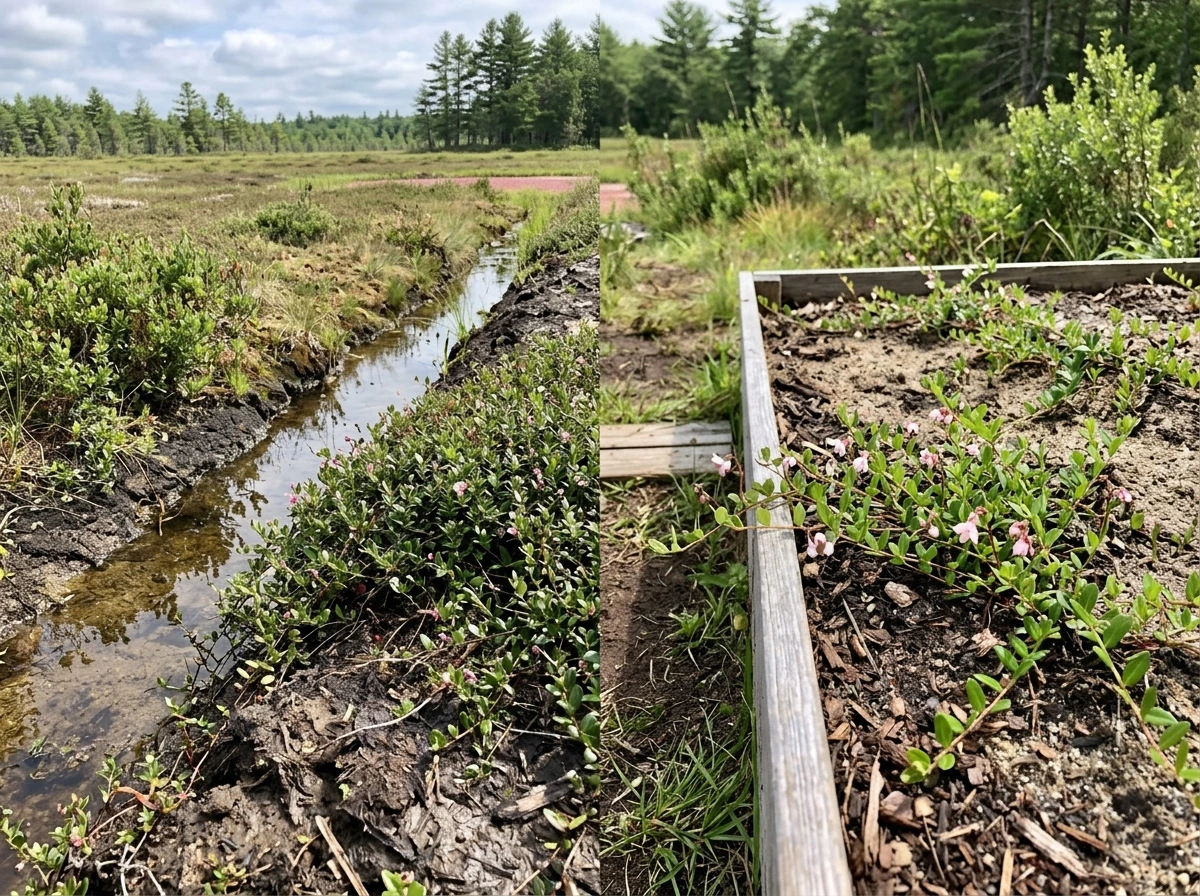
In the wild, cranberries (Vaccinium macrocarpon, the American cranberry) grow in acidic bogs, sandy swamps, shorelines, and streambanks across northeastern North America. These aren't lush, rich-soil environments. They're places with low nutrient levels, high acidity, and soil that holds moisture but still has some airflow. That combination is key: not waterlogged to the point of rotting, but never dry either.
The soil in natural cranberry habitat is typically a mix of peat and sand, both of which drain reasonably well while retaining moisture. pH in these environments sits around 4.0 to 4.5, which is far more acidic than most garden soil. Blueberries like it acidic, but cranberries like it even more so. If you're used to growing blueberries, think even sharper. The plants also get plenty of sunlight in these open bog environments, and they experience cold winters, which matters for dormancy and bud set.
Commercial cranberry farms in Massachusetts, Wisconsin, and New Jersey work with this natural ecosystem logic. They build engineered bogs with clay or hardpan bases (to hold water when needed), topped with sand. From late December through mid-March, they flood those bogs to protect vines and buds from winter cold injury. This winter flooding is about protection, not plant growth. Once the flood is removed in spring, growth resumes quickly. Understanding this distinction will save you a lot of confusion when you start setting up your own bed.
How the Plant Actually Grows: Vines, Runners, and Uprights
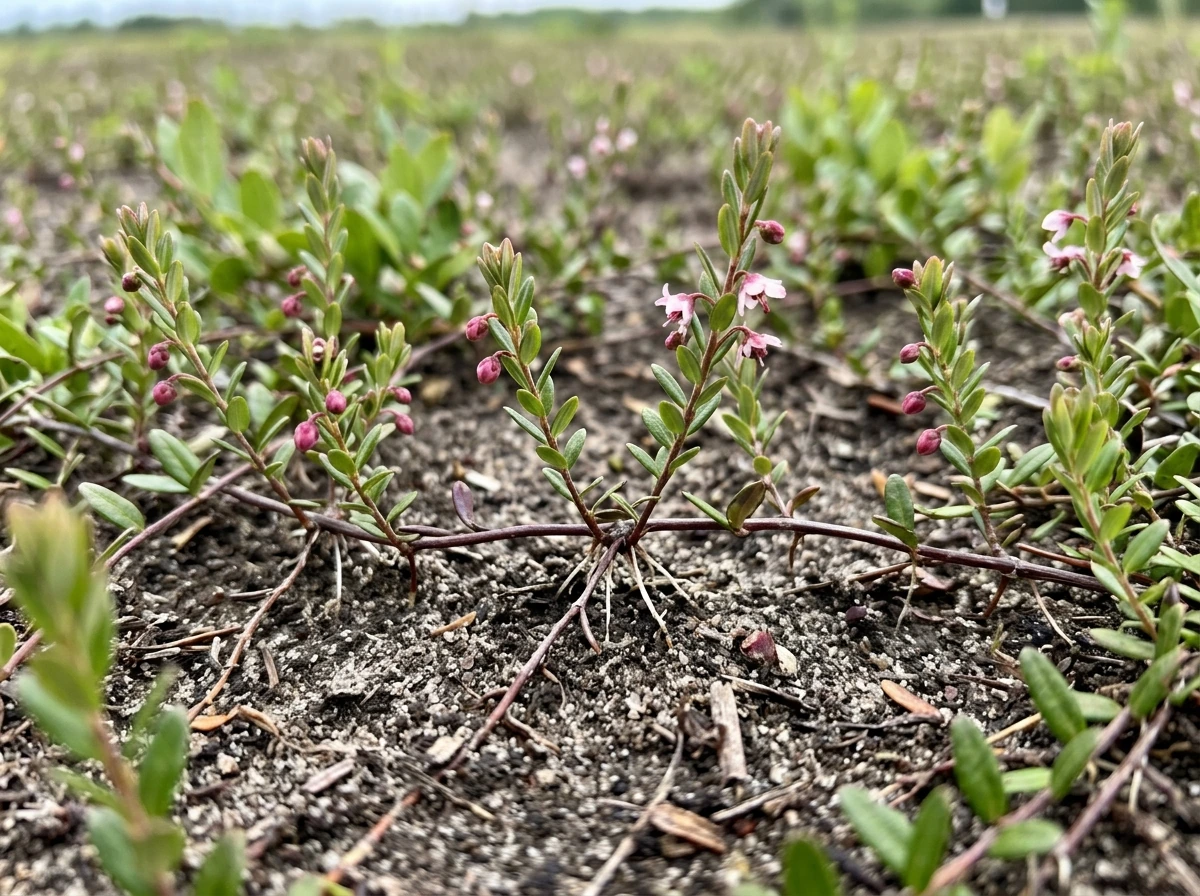
A cranberry plant has two distinct types of stems, and once you see this in person it clicks immediately. Long horizontal runners trail across the soil surface, rooting as they go and spreading the plant outward into that characteristic mat shape. These runners can extend several feet over a few seasons. Then, growing upward from those runners are short vertical stems called uprights. These uprights are where all the action happens: the leaves, the flowers, and eventually the fruit all appear on uprights.
Flowering typically happens from mid-June into July. Flowering typically happens from mid-June into July. The Massachusetts Cranberries industry education group notes that migratory honey bees stay on cranberry bogs until mid-July, after which cranberry pollination has ended. The small pink flowers hang downward (they look like a crane's beak, which is actually where the name 'cranberry' is thought to originate). After pollination, the berries develop and ripen through summer and into fall. Harvest season starts around September and runs for roughly two months. The berries don't all ripen at exactly the same time, so you'll see a mix of green, white, and red fruit on the same plant at different points in that window.
During winter, visible bud growth stops completely. The plant goes dormant. In spring, after the last hard freeze passes, growth resumes fast, almost suddenly. New upright growth pushes out and the mat fills in. For a home grower, this means your planting looks sparse and slow for the first year or two, then starts to fill in with satisfying speed. First-year plants rarely flower. By year two or three, most home plantings start producing fruit in earnest.
Wild vs. Cultivated: What Changes When You Bring Them Home
Wild cranberries are not much different genetically from cultivated ones, but the scale and management are worlds apart. In a wild bog, the plants have had years or decades to establish a thick mat, the hydrology is natural, and competition from weeds gets managed by the density of the mat itself. A wild plant doesn't need you to adjust pH or build a drainage layer because the site already has all of that.
When you cultivate cranberries at home, you're essentially engineering a micro-version of that bog environment from scratch. The biggest challenges are soil pH (most garden soil is far too neutral), moisture consistency (they can't dry out but also can't sit in standing water), and weed pressure in the early years before the mat fills in. Commercial growers solve the weed problem with their sand layer, which makes it hard for weeds to establish. Home growers who skip that step usually end up spending a lot of time hand-weeding.
If you want to understand where cranberries grow naturally and how that varies by region, there's more detail on that in the "cranberries grow where" guide on this site. The short version for your garden setup: The short version for your garden setup: if you're in USDA zones 2 through 7, you're in viable territory. Zone 8 growers can try, but the plants need a real winter chill to set buds well.
Setting Up for Success: Site, Soil, and Moisture
Pick a spot that gets full sun, at least six hours a day. Partial shade reduces yield significantly. Cranberries also need reliable moisture, so if you're in a dry climate, plan for irrigation. Raised beds or in-ground bog-style beds work better than standard garden rows because you can control the soil composition and moisture more precisely.
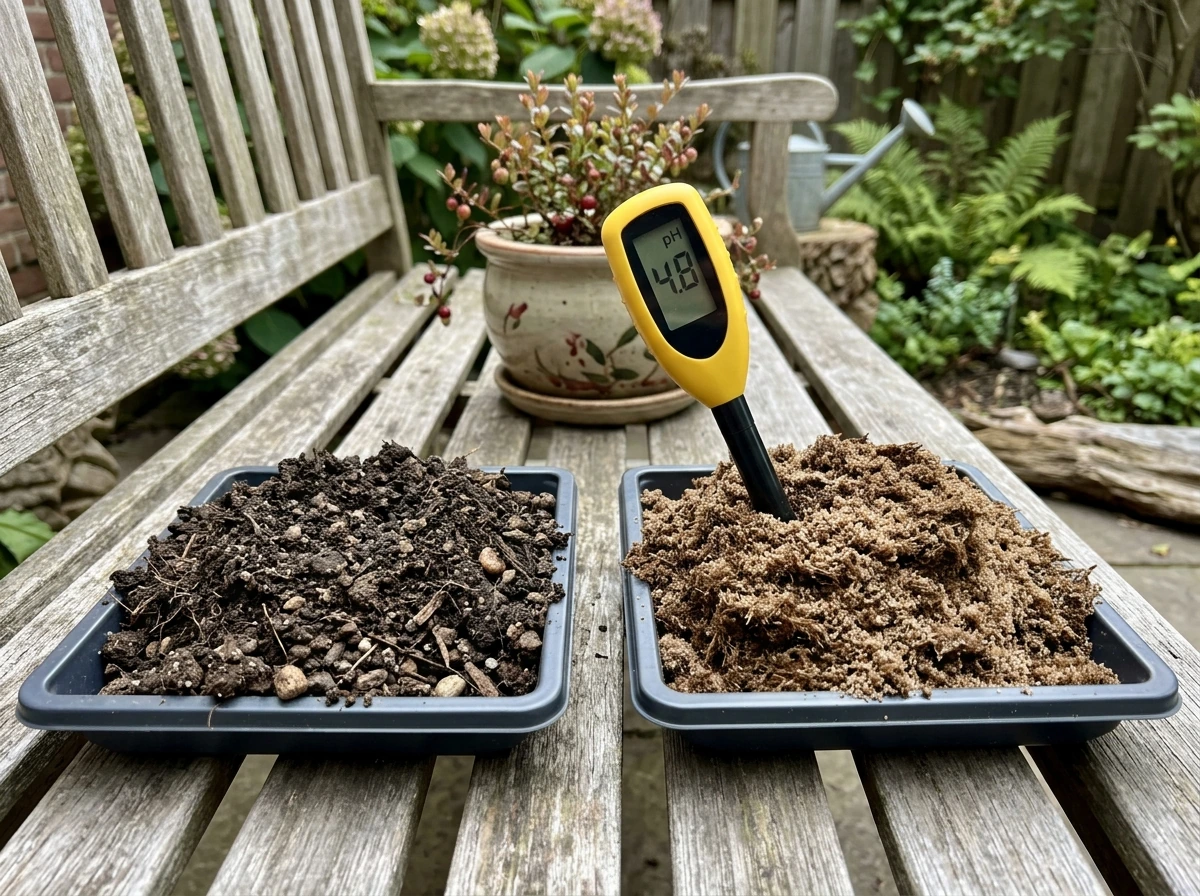
Soil is where most home growers go wrong. Standard garden soil, even if you amend it with compost, won't get acidic enough for cranberries. You need to build the right medium from the start. The University of Maine Extension approach works well here: create a base layer of clay, packed topsoil, or loam that slows vertical water movement, then add at least 4 inches of sand on top of that base layer before planting. This mimics the structure of a natural cranberry bog, where a hardpan layer underneath holds moisture near the root zone.
For pH, you're targeting 4.0 to 5.5, with 4.0 to 4.5 being the sweet spot. Get your soil tested before you plant. Sulfur is the standard amendment to lower pH, but it works slowly, so apply it months in advance if possible. Sphagnum peat moss mixed into your sand layer also helps drop and maintain pH. Avoid any limestone, wood ash, or high-pH fertilizers. Use an acidifying fertilizer formulated for blueberries or acid-loving plants, and keep an eye on pH with annual testing.
Planting Step by Step: In-Ground and Container Options
The best time to plant cranberries is spring, after the last frost has passed. Container-grown transplants are the easiest starting point for home growers. Bare-root plants are less common but work fine if you keep the roots moist right up until planting.
In-Ground Bog Bed
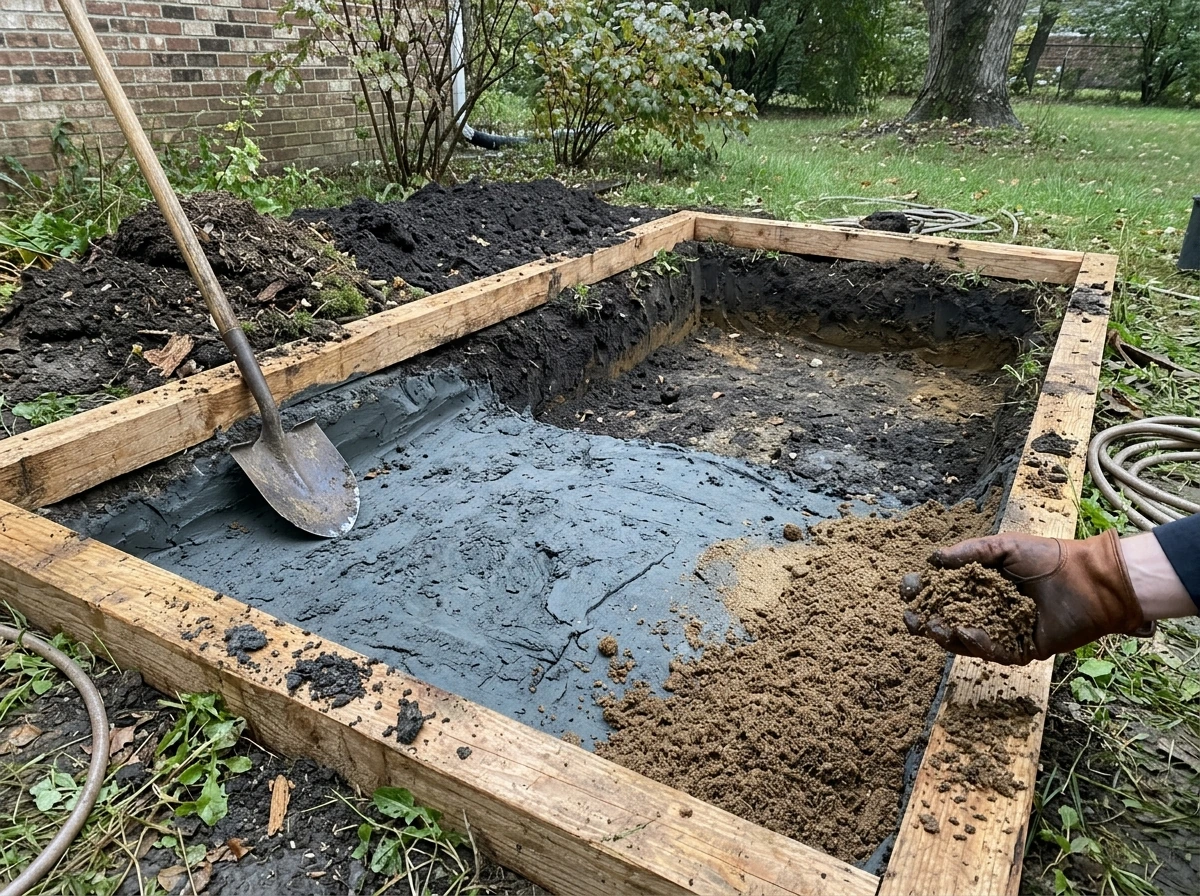
- Dig out the bed to a depth of 8 to 12 inches. A rectangular raised bed framed with timber or stone works well and gives you clear borders.
- Compact or line the bottom with clay or heavy loam to create a water-retaining base layer.
- Add 4 to 6 inches of a sand and peat moss mix (roughly 75% coarse sand, 25% sphagnum peat) over the base.
- Test pH and adjust to 4.0 to 4.5 using elemental sulfur if needed. Do this a few weeks before planting if possible.
- Space plants 12 to 18 inches apart. They'll fill in over 2 to 3 seasons, so resist the temptation to crowd them early.
- Plant at the same depth the plant was in its nursery container. Burying the crown too deep can cause rot.
- Water thoroughly after planting and keep the soil consistently moist. Don't let it dry out, especially in the first season.
Container Growing
Containers work surprisingly well for cranberries, especially in zones 7 and 8 where you might want to move the plant to a cooler spot in summer or protect it in winter. Use a large, wide container rather than a deep one, since the trailing runners spread horizontally. A half-barrel or wide planter at least 18 inches across and 12 inches deep is a good minimum. Fill it with the same sand-and-peat mix, check pH before planting, and make sure the container has drainage holes. Water more frequently than you would with an in-ground bed, since containers dry out faster. One plant per 18-inch container works, or two to three plants in a half-barrel.
| Factor | In-Ground Bog Bed | Container |
|---|---|---|
| Best for | Zones 2–6, long-term plantings | Zones 7–8 or small spaces |
| Soil control | Good with proper setup | Excellent, fully custom mix |
| Moisture management | More forgiving | Requires more frequent watering |
| Winter protection | Natural dormancy, flood optional | May need moving or insulating |
| Yield potential | Higher over time as mat fills in | Lower, but still productive |
| Cost and effort to set up | Higher upfront | Lower upfront |
Ongoing Care: Watering, Weeding, and Getting Through Winter
Watering
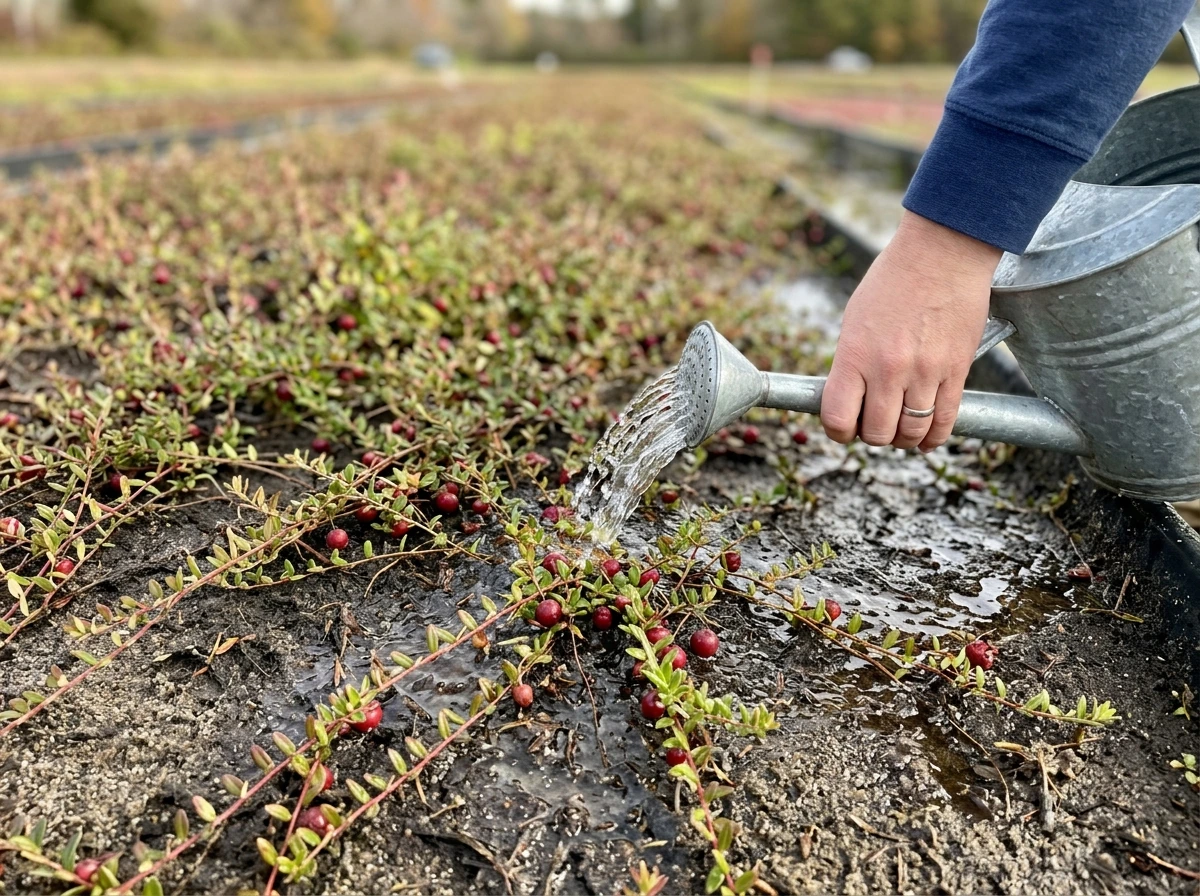
Cranberries want consistently moist soil, not wet feet. Aim to keep the top 2 inches of soil from drying out between waterings. During hot stretches in summer, that might mean watering every day. A drip line or soaker hose on a timer is worth setting up if you're serious about this planting. Letting the soil go dry during flowering or fruit development is one of the fastest ways to kill your yield for the season. how often do cranberries grow stardew. return to moria can you grow cranberries
Weed Control
The first two years are the hardest for weeds because the mat hasn't filled in yet. Hand-pull weeds regularly and avoid hoeing, since cranberry roots are shallow and easy to disturb. Once the mat establishes, it does a pretty good job of outcompeting weeds on its own. Mulching around young plants with pine needles (which are acidic) can help suppress weeds and maintain soil moisture while the mat fills in.
Overwintering
In zones 4 and below, applying a 2 to 3 inch layer of sand over the mat in late November or early December protects the vines from freeze-thaw heaving and desiccating winds. Remove this sand in early spring before growth resumes, or rake it lightly to let the uprights push through. Commercial growers flood their bogs for winter protection from late December through mid-March, but for a small home bed, a sand mulch is a practical substitute. Container plants in cold climates can be moved into an unheated garage or shed where temperatures stay above about 20°F.
Common Problems to Watch For
- Pale, yellowing leaves often signal pH drift. Test your soil if leaves start going yellow between veins. The fix is usually another round of sulfur or acidifying fertilizer.
- Poor fruit set can mean insufficient pollination. Cranberries are pollinated primarily by bumblebees. If you have few bees visiting, consider planting pollinator-friendly plants nearby.
- Root rot happens when drainage is inadequate. If your base layer is too heavy and water pools for days after rain, you'll see wilting even with moist soil. Adding coarse sand to improve drainage usually helps.
- Fruit worm and tipworm are the most common insect pests on home plantings. Inspect uprights for wilting tips, which indicate tipworm. Remove and destroy affected stems early.
- Fungal issues like fruit rot (Botrytis) tend to show up in wet, humid summers. Improving airflow around the mat and avoiding overhead watering reduces risk.
What to Look For as Your Plants Grow: Visual Growth Markers
If you're searching for pictures or videos of cranberry growth stages, here's what to look for and what each stage looks like in practice, so you know whether your plant is on track.
| Growth Stage | What It Looks Like | When It Happens |
|---|---|---|
| Dormant plant | Flat mat of small dark green or reddish leaves on thin wiry runners, no visible buds | November through early spring |
| Spring flush | Bright green new leaf growth pushes out of uprights rapidly, runners extend outward | March to May (after last frost) |
| Flowering | Small, downward-hanging pink flowers appear on upright tips, petals swept back | Mid-June into July |
| Green fruit | Small green berries replace flowers, sitting at upright tips, roughly the size of a pea initially | July into August |
| Ripening | Berries swell and shift from white to pink to deep red | August through September |
| Harvest-ready | Fully red, firm berries across the mat; a ripe berry bounces when dropped | September into November |
| Post-harvest dormancy | Leaves may redden in cold weather, runners visible, plant goes quiet | November onward |
If you're watching a video of cranberry cultivation, the most useful ones to find are: spring bed preparation showing the sand-and-peat layering technique, close-up footage of upright growth and flower structure, and fall flooding or harvesting videos that show just how dense a well-established mat gets. Those harvest videos where bright red berries float across a flooded bog are visually dramatic, but keep in mind that's a water-harvesting method used on commercial scale. For a home planting, you'll pick your berries by hand, running your fingers through the mat to pull ripe fruit.
First-time growers often worry their plant is dead in year one because it looks so sparse and flat. It's not. Cranberry mats take two to three years to fill in and reach real productivity. If you see runners spreading and new uprights forming, the plant is doing exactly what it's supposed to do. Give it time, keep the pH sharp, and don't let the soil dry out, and you'll have a productive planting that comes back stronger every year.
Your Next Steps
If you're ready to start, the single most important thing you can do right now is get a soil test. Whether you're setting up a new bed or working with existing soil, you need to know how far off your pH is before you plant. Order a test kit from your local extension service or a mail-in lab, amend accordingly, and give the sulfur a few weeks to work before you plant in spring. While you're waiting, source container-grown cranberry transplants from a reputable nursery, a variety like 'Stevens', 'Ben Lear', or 'Pilgrim' all perform well for home growers in zones 3 through 7. Get those two things sorted and you're most of the way there. The rest is consistent moisture and patience.
FAQ
Can I grow cranberries in a normal garden bed without building a bog-style setup?
Yes, but it usually has to be engineered. Cranberries need acidic media (about pH 4.0 to 5.5) and a moisture pattern that stays consistently moist without being waterlogged. A typical lawn or garden bed will not hold those conditions reliably, so you still need the sand-and-acidic-soil setup or a bog-style container to control both pH and water.
Do cranberries always need to be flooded to grow and fruit?
Bogs rely on a specific hydrology, but you can mimic it at home. Use a “never dry, never stagnant” approach: keep the top portion of the bed moist (for many growers, the top 2 inches), and avoid letting water pool for long periods. If you see sour smells, algae, or persistently muddy soil, your drainage or water management is too wet.
What’s the fastest way to know if my cranberry soil pH is right, and how do I avoid overcorrecting?
The lowest-cost way is to use a proper soil test, not a quick guess with additives. If you need to lower pH, sulfur takes time to work, so test, apply, then retest before planting. If pH is already in range, avoid overcorrecting with more sulfur, because very low pH can also stress plants.
How should I manage cranberry containers differently in summer and winter?
Container cranberries can be moved during warm months, but you must protect them from heat stress and keep the medium acidic. When temperatures rise, containers dry out faster, so you may need daily checks and possibly a timed drip setup. Also plan winter protection in cold climates by moving containers to a cool space that stays above about 20°F.
Why does my cranberry plant look sparse or not flower in the first year?
In year one, it’s common to have little visible upright growth and minimal or no flowering. The plant is investing in establishing runners and filling the mat, and productivity often ramps in year two or three. If you see new runners rooting and occasional upright flushes, that is a sign you are on track even if you get no berries.
What’s the best way to control weeds in a young cranberry bed without damaging the plant?
Weed pressure is highest before the mat fully establishes. Hand-pull small weeds when you can, and avoid hoeing because cranberry roots are shallow. Pine-needle mulch can help suppress weeds and maintain moisture, but keep it light around new growth so you do not smother uprights.
How do I prevent losing flowers or berries from inconsistent watering?
Cranberries are sensitive to both too much and too little water, and inconsistent watering during flowering and fruit development can reduce yield. A practical rule is to use a moisture routine you can keep up with in hot weather, such as a drip line or soaker hose on a timer, and check the top 2 inches before watering decisions.
When should I harvest cranberries at home, and do I harvest once or multiple times?
Pick berries by hand when they turn fully red. Because not all fruit ripens at the same time, you’ll usually harvest multiple times during the season rather than one pick. Gently running fingers through the mat helps you locate ripe fruit without pulling uprights excessively.
Can I rely on fertilizer to keep cranberry soil acidic?
Yes, but most “acidic” fertilizers are still not designed to manage pH long-term. Use an acidifying fertilizer formulated for acid-loving plants, and follow label rates so you do not burn shallow cranberry roots. Continue annual pH testing because fertilizer alone rarely keeps pH in range for the whole season.
What makes cranberries fail in warmer zones like zone 8?
Zones 2 to 7 are generally viable, and zone 8 can work only if the plants receive enough winter chill to set buds. In warmer areas, you may need to choose a spot with more reliable cold exposure and consider container growing so you can relocate for winter protection.
If I use sand to protect cranberries from winter heaving, when should I apply and remove it?
Sand mulch can help protect in colder regions by reducing freeze-thaw heaving and desiccating winds, but timing matters. Apply late fall, and remove or rake it lightly in early spring so new uprights can push through. Leaving heavy sand in place too long can delay growth.