
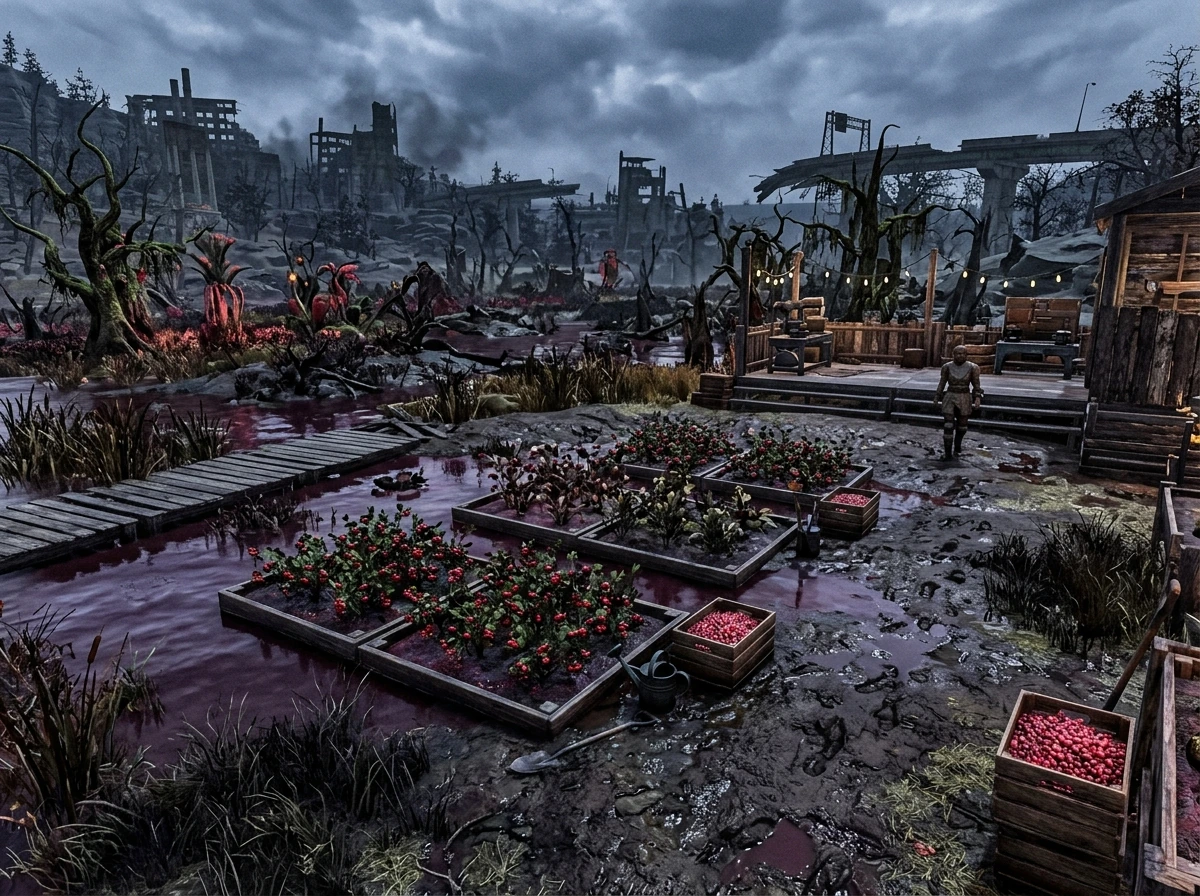
Short answer: no, you cannot plant cranberries in a CAMP or Workshop in Fallout 76 the way you can with Mutfruit, Tato, or Gourds. The cranberry plant exists in the game, but it is a world object you harvest out in the wild, not a crop you seed and cultivate back at base. That said, there is still a smart, route-based strategy for farming cranberries efficiently, and if you love the idea of a bog-inspired CAMP garden, there are ways to get close to that feel using the crops the game does support.
Can You Grow Cranberries in Fallout 76? CAMP Guide
Marcus Holloway
24 Mar 2026
Can you grow cranberries in Fallout 76?
Cranberries show up throughout Fallout 76 as a real, usable ingredient. They are classified as an edible berry picked from cranberry plants, and a diseased variant called Diseased Cranberries also exists. You need them for recipes like Cranberry Relish, which calls for cranberries alongside gourd, sugar, boiled water, and wood. So they matter for cooking, and finding a reliable supply is a legitimate goal.
Where they fit in the game is as world-harvested flora, not plantable crops. Bethesda's own documentation for the Pioneer Scout Possum World Challenges specifically calls out Mutfruit Plants, Tato Plants, and Gourds as the types you can plant in a Workshop or C.A.M.P. Cranberries are never listed among the plantable crops because the game simply does not include a cranberry crop object for the CAMP build menu. Think of them the same way you'd think of wild berries in the real world: present in abundance in the right environment, but not something you pot up and bring home.
What 'growing' actually means in Fallout 76
The CAMP and Workshop crop system in Fallout 76 works on a simple seed-to-harvest loop. You place a supported crop object in build mode, wait for it to grow, then harvest it on a timer. The game tracks a spoil rate and value for each crop type. What makes the system satisfying is that it rewards you for structuring a proper harvest loop: build your garden, come back regularly, and collect resources passively.
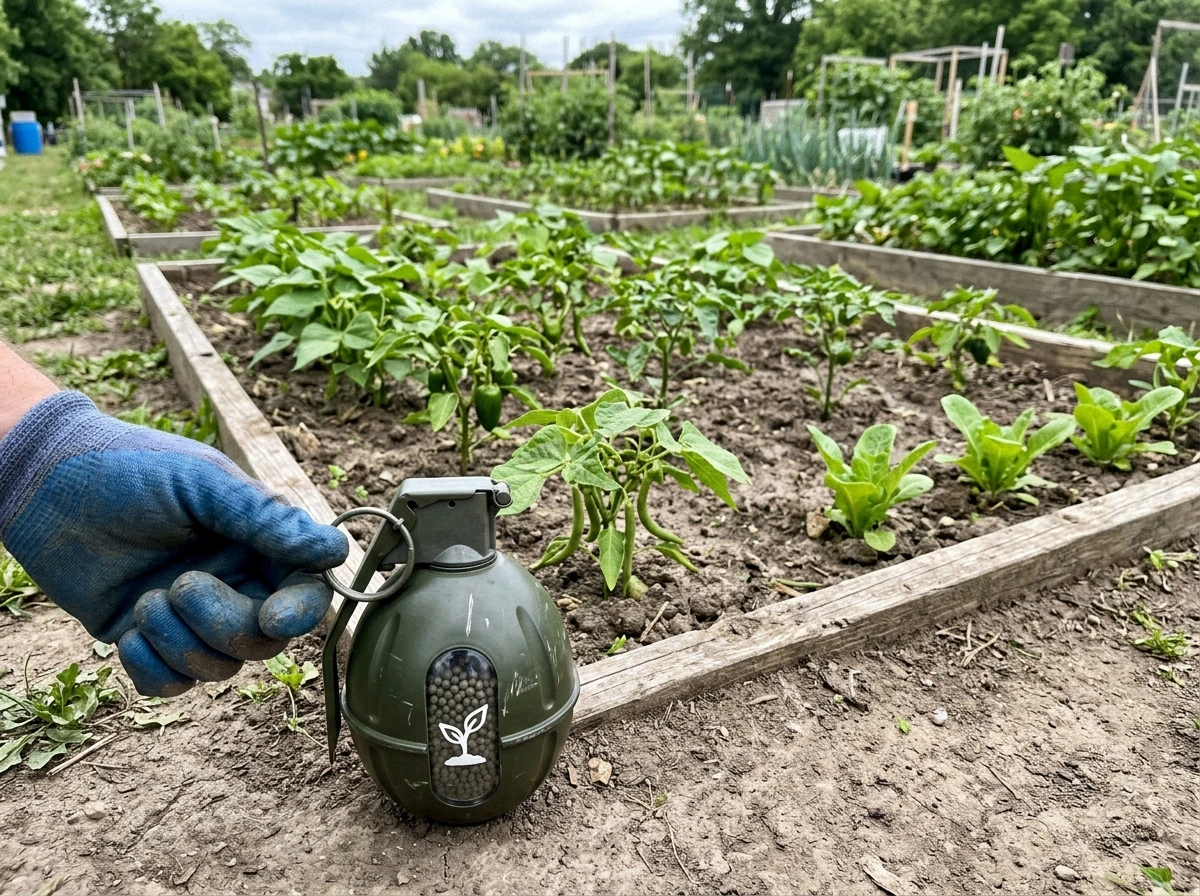
There is also a Turbo-Fert Fertilizer mechanic that speeds things up. Turbo-Fert Fertilizer is a throwable grenade item that instantly re-grows harvested CAMP and Workshop plants. blank" rel="noopener noreferrer">Turbo-Fert fertilizer is produced via a Turbo-Fert fertilizer collector and can be used to regrow supported CAMP and Workshop crops. You can produce it through a Turbo-Fert Fertilizer Collector, which makes it a renewable tool for accelerating your crop cycles. It is genuinely useful for supported crops, and it is worth building into any serious CAMP garden setup, even if cranberries themselves are off the table.
The Garden Plot placement rules also matter here. The game requires crops to be placed on natural ground so that water-pump mechanics function correctly. That detail is more relevant for camp layout planning than it sounds, and it actually mirrors something true about cranberries in the real world: where you put them, and what the ground beneath them is like, determines everything.
How cranberries actually grow in the real world
If you came here partly curious about real cranberry cultivation (and given the site you're on, that makes total sense), If you came here partly curious about real cranberry cultivation (and given the site you're on, that makes total sense), here is what cranberries actually need to thrive. Cranberries are low-growing vines, not bushes, and they are native to boggy, waterlogged environments in cooler northern climates. Cranberries are low-growing vines, not bushes, and they are native to boggy, waterlogged environments in cooler northern climates. They do not grow in standing water all year, but they need consistent access to moisture and cannot tolerate dry, alkaline soils.
- Soil pH: extremely acidic, typically between 3.0 and 5.0. USDA FEIS data for wild cranberry bog sites records pH values as low as 2.9.
- Soil type: wet, peaty, sandy bog soil with good drainage capability despite high moisture content.
- Water management: commercial bogs use sprinkler systems for both irrigation and frost protection, plus ditches for flooding and draining the bog seasonally.
- Sunlight: full sun, at least 6 to 8 hours per day.
- Spacing: vines spread horizontally as ground cover and need room to runner out.
- Season sensitivity: spring flooding protects buds from frost; late-water management controls when floods are withdrawn to avoid bud damage.
The flooding cycle is the part most people don't expect. Real cranberry bogs are flooded in winter for protection and in autumn to help with harvesting (the berries float), then carefully drained in spring. The University of Maine Extension and UMass Amherst both emphasize that timing the withdrawal of late water is critical because buds become frost-sensitive almost immediately after the flood recedes. This is not a plant you just water occasionally. It demands an actively managed wet environment.
For home growers, replicating this means raised bog beds with a liner to retain moisture, peat-heavy acidic soil mix, and consistent irrigation. If you are in USDA zones 4 through 7, you have a realistic shot. If you are gardening in a hot, dry climate, cranberries are genuinely difficult without significant infrastructure. For more on general cranberry cultivation requirements and where they grow naturally, the related guide on cranberry growing conditions goes deeper into the geographic side of things.
Translating bog conditions into your Fallout 76 CAMP
Since you cannot plant actual cranberries at camp, the next best move is to build a camp garden that captures the spirit of a cranberry bog using the crops the game does support, and then supplement with regular field runs into Cranberry Bog for your actual cranberry supply. Think of it as a two-part system: a productive home garden for your staple crops, and a reliable wild-harvest route for cranberries.
For the bog-feel CAMP setup, the most thematically appropriate location choices are areas in or near the Cranberry Bog region itself. Setting up a CAMP near water features or in low-lying areas of the Bog gives you proximity to natural cranberry plant spawns, which means shorter runs to harvest. The game's Garden Plot rules about natural ground placement also mean you want to settle your camp on organic, flat terrain rather than raised structures, which again echoes how real cranberry vines root into low, wet ground.
Within your garden, lean into moisture-adjacent crops. Gourds are a solid pick because they are explicitly supported in the CAMP system and have a reasonable yield. Tato Plants and Mutfruit fill out a functional camp garden and keep your food supply stable while your cranberry runs happen in the field. Add a Turbo-Fert Fertilizer Collector to your build to keep the harvest loop tight.
Where to actually farm cranberries in Fallout 76
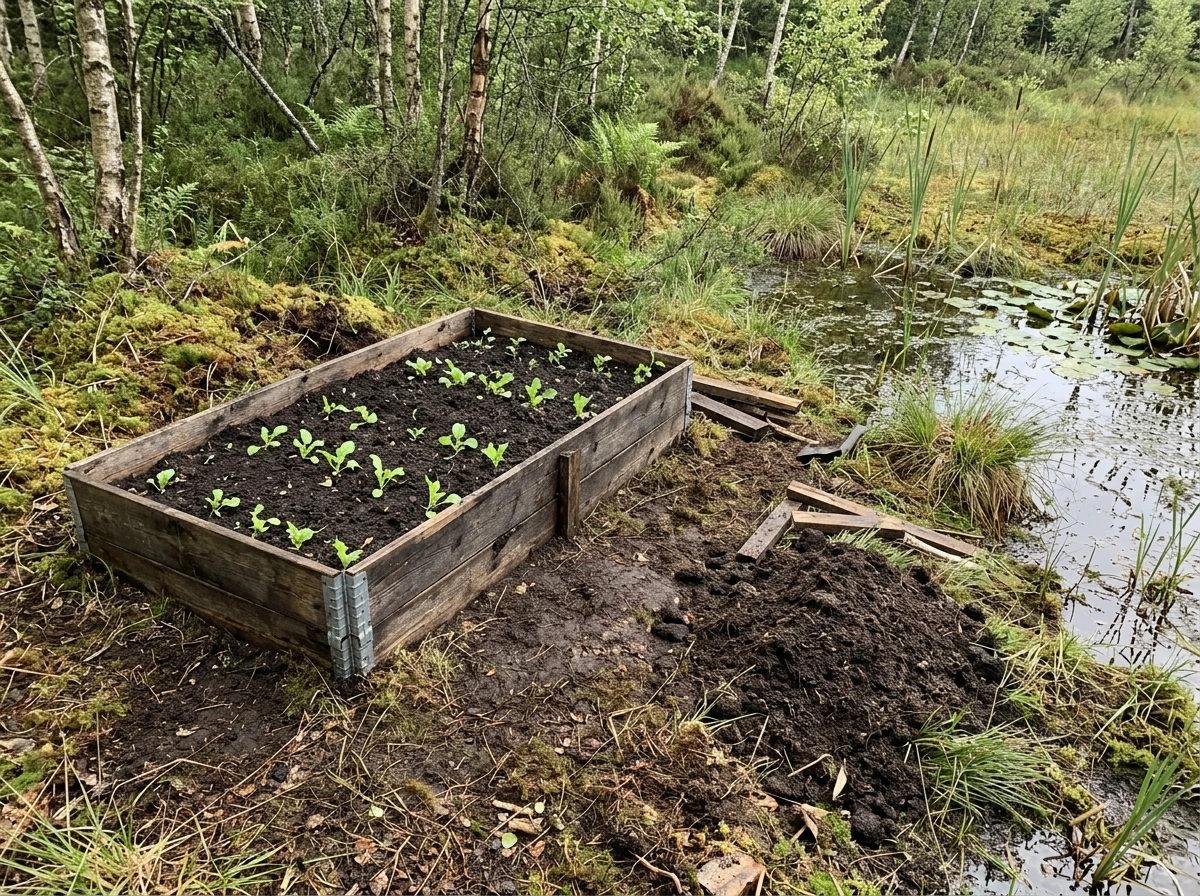
Since cranberries are a world-harvest resource, your farming strategy is route-based. The Cranberry Bog region is the primary source, and several named locations within it have reliable, repeatable plant spawns.
- Creekside Sundew Grove: one of the most cited locations for cranberry plants, with multiple shrubs clustered in the area and documented plant counts on the Fallout Wiki.
- Mac's Farm: a well-known gathering spot flagged by player guides as a reliable cranberry source.
- General Cranberry Bog sweeps: the whole region is seeded with cranberry plant world objects, so a loop through the area touches multiple spawn points.
- FalloutCounter's ingredient map: if you are farming for Cranberry Relish specifically, this resource maps out a route that covers multiple ingredient sources in one run.
Cranberry plants in the game are shrubs, and they respawn after a server reset or after enough time passes. Running the Creekside Sundew Grove and Mac's Farm circuit consistently is the closest thing to 'farming' cranberries in Fallout 76, especially if you’re also thinking about routes like return to Moria can you grow cranberries. It's field farming rather than camp farming, but it works.
Step-by-step: setting up your berry-friendly camp garden
- Choose a CAMP location in or near the Cranberry Bog region, ideally on natural ground near a water feature for thematic fit and proximity to wild cranberry spawns.
- Enter build mode and lay out a Garden Plot on natural terrain. Avoid placing it on raised platforms or floors, since the game requires ground-level placement for water-pump mechanics to function.
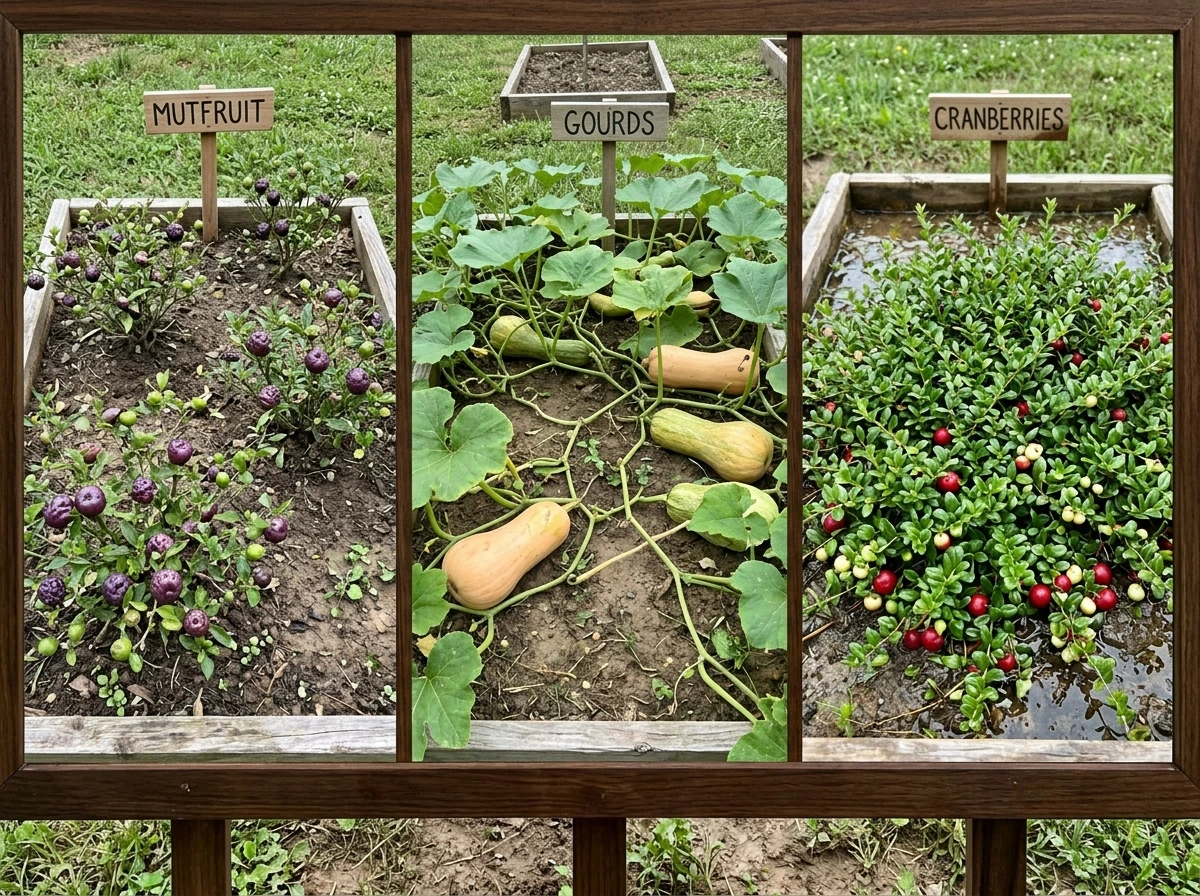
- Plant a mix of supported crops: Gourds, Tato Plants, and Mutfruit cover your food and crafting needs while your cranberry supply comes from field runs.
- Build a Turbo-Fert Fertilizer Collector as part of your camp. This produces the throwable Turbo-Fert grenade, which instantly re-grows harvested crops and dramatically speeds up your harvest loop.
- Set up a regular harvest loop: visit your camp crops on a consistent schedule, collect everything ripe, and throw a Turbo-Fert grenade at your garden to trigger a fast re-grow cycle.
- After harvesting your camp crops, run your Cranberry Bog field route: hit Creekside Sundew Grove first, then sweep Mac's Farm, collecting cranberry shrubs along the way.
- Use a server hop when shrub spawns are depleted. Switching servers resets world plant objects and lets you run the same route again for a second harvest in the same session.
- Store your cranberries in your stash rather than carrying them to reduce spoilage risk during longer sessions.
Common problems and how to fix them
Your camp crops aren't growing
The most common cause is placement. If your Garden Plot is on an uneven surface or on a constructed floor rather than natural ground, crops may not behave correctly. Tear down and re-place on flat natural terrain. Also check that you have enough water production from a water purifier or pump, since crops need water resources to grow properly in the CAMP system. The Water Pump in Fallout 76 is one of the named water-supply mechanics used for setting up your CAMP water needs blank" rel="noopener noreferrer">enough water production from a water purifier or pump).
Cranberry plant spawns are empty when you arrive
Another player on the same server got there first, or the plants haven't respawned yet. Server hop to a fresh instance. A player report also notes that cranberry spawn and respawn can be inconsistent by location, so server hopping or moving to other bog areas may be needed when plants do not show up Server hop to a fresh instance.. Cranberry plants are world objects that reset with the server, so hopping is the standard fix for depleted foraging routes. Time your runs for off-peak hours if you play on a high-population server.
You're getting Diseased Cranberries instead of clean ones
Diseased variants are a known drop from Cranberry Bog plants. They still show up in that region because the environment's mutation mechanics affect plant quality. If a recipe specifically calls for regular cranberries, you may need to run more plant locations to collect enough non-diseased fruit. Expanding your route beyond just Creekside Sundew Grove and Mac's Farm to include additional Cranberry Bog shrub clusters increases your odds of collecting clean berries.
Your camp doesn't feel like a cranberry bog
This one is partly a cosmetic and location issue. Real cranberry bogs are flat, wet, acidic, and wide open to full sun. In Fallout 76 terms, a camp positioned in the lower, flatter parts of the Cranberry Bog map with open-sky exposure and minimal vertical construction comes closest to capturing that feel. Keep your garden plots low and spread out rather than stacked. Use the Bog's natural terrain as your backdrop rather than fighting it with heavy builds.
Turbo-Fert grenades aren't working as expected
There was a known bug during the Steel Dawn update era where Turbo-Fert grenades appeared to detonate twice. This was patched in the Steel Dawn update notes. If you are playing post-patch and still seeing odd behavior, make sure you are throwing the grenade directly onto or very near the crop object. It works on CAMP and Workshop plants specifically, not on world-spawned cranberry shrubs in the open environment.
Cranberries vs. other CAMP crops at a glance
| Crop | Plantable in CAMP | Wild Harvest Available | Best Source |
|---|---|---|---|
| Cranberries | No | Yes | Creekside Sundew Grove, Mac's Farm (Cranberry Bog) |
| Mutfruit | Yes | Yes | CAMP garden or wild |
| Tato | Yes | Yes | CAMP garden or wild |
| Gourd | Yes | Yes | CAMP garden or wild |
The bottom line is that cranberries in Fallout 76 reward field work, not base building. Build your camp garden around supported crops, use the Turbo-Fert system to keep your harvest loop running fast, and treat your Cranberry Bog runs as the dedicated cranberry supply chain. That two-part approach is the most effective way to keep cranberries stocked without waiting on a crop system that simply doesn't support them. If the real-world side of this caught your interest, the guide on how cranberries grow covers the biology and geography in much more depth, including why bogs produce the conditions these plants need to thrive.
FAQ
Can I plant cranberry seeds or place a cranberry plant object in my CAMP using the build menu?
No. Cranberries are harvested from world cranberry shrub spawns only, so there is no seed, plantable crop object, or build menu option that lets you cultivate them in CAMP or a Workshop. You can still store and use the gathered cranberries normally for cooking, including non-diseased versions when recipes require them.
What’s the closest workaround if I want a bog-inspired CAMP garden?
You can still “make a cranberry-style setup,” but the game will not give you actual cranberry vines. The closest approach is to place supported crops (like Mutfruit, Tato, and Gourds) on natural, flat ground near Bog-themed locations, then rely on periodic Cranberry Bog scavenging to fill the cranberry slot for recipes.
How do I get enough non-diseased cranberries when a lot of what I find is diseased?
If you are short on clean berries for a recipe, treat Diseased Cranberries as a sign your route needs expansion, not as a replacement. Add more shrub clusters within the Cranberry Bog area, and keep multiple run notes for which locations typically yield more non-diseased fruit for you.
Why are no cranberries showing up on my usual route, and what should I do next?
World cranberry shrubs respawn, but the timing is instance dependent. If your route comes up empty or you just collected everything, switching to a fresh server instance is usually faster than waiting in the same world, and running off-peak can reduce the chance other players have just cleared the same spots.
Does Turbo-Fert work on world cranberries in Cranberry Bog?
You generally cannot speed up world-spawned cranberry shrubs with CAMP mechanics like Turbo-Fert. Turbo-Fert is for the supported CAMP and Workshop crop objects, so use it to accelerate Mutfruit, Tato, and Gourds, while you use standard route running for the actual cranberry shrubs.
What causes my CAMP crops to fail, even though I can’t plant cranberries?
If your CAMP crops are not growing well, check two things: Garden Plot placement must be on natural ground (not uneven terrain or constructed floors), and you must maintain enough water production to feed your irrigation needs. Fixing placement and water supply often resolves “my crops are stuck” complaints.
What’s the most efficient way to farm cranberries overall if CAMP planting is impossible?
If you are trying to farm cranberries efficiently, focus on a repeatable “field loop” rather than a long-term stationary crop plan. Use known Cranberry Bog circuits (for example, Creekside Sundew Grove and Mac’s Farm) as your dedicated cranberry supply chain, and treat your CAMP garden as a support system for other ingredients.
How can I tell I’m harvesting the right cranberry plants and not the wrong nearby plants?
If you get inconsistent results, confirm you are collecting from the correct type of plant in the bog. Cranberry Bog areas can yield different shrub qualities, including diseased variants, so make sure you are harvesting from the intended cranberry shrubs rather than nearby edible berries or other flora.
How can I troubleshoot whether my low cranberry yield is bad luck versus a real spawn problem?
A good practical test is to run the same route shortly after a server change, then compare yields before investing time in route expansions. This helps you identify whether your issue is depletion, spawn delay, or simply a bad spawn set for that specific instance.