
If you’re wondering how do cranberries grow, start with acidic, waterlogged wetlands and bogs, especially those with sphagnum moss, peat or muck soils, and a water table sitting just 6 to 12 inches below the surface during the growing season. In the wild, they're native to cool-temperate regions of eastern North America, from Ontario and Newfoundland down through the northeastern US and into the Appalachians as far south as North Carolina and Tennessee. Commercially, they're concentrated in Wisconsin, Massachusetts, New Jersey, Oregon, Washington, and Maine. If you're in a similar climate and can replicate those wet, acidic conditions, even in a container, you can grow them. If you want a walkthrough after setting the wet, acidic conditions, the next step is how do cranberries grow in practice and what to expect as they establish grow them. Let's break it all down.
Cranberries Grow Where: Wild Habitat, Farms, and Home Tips
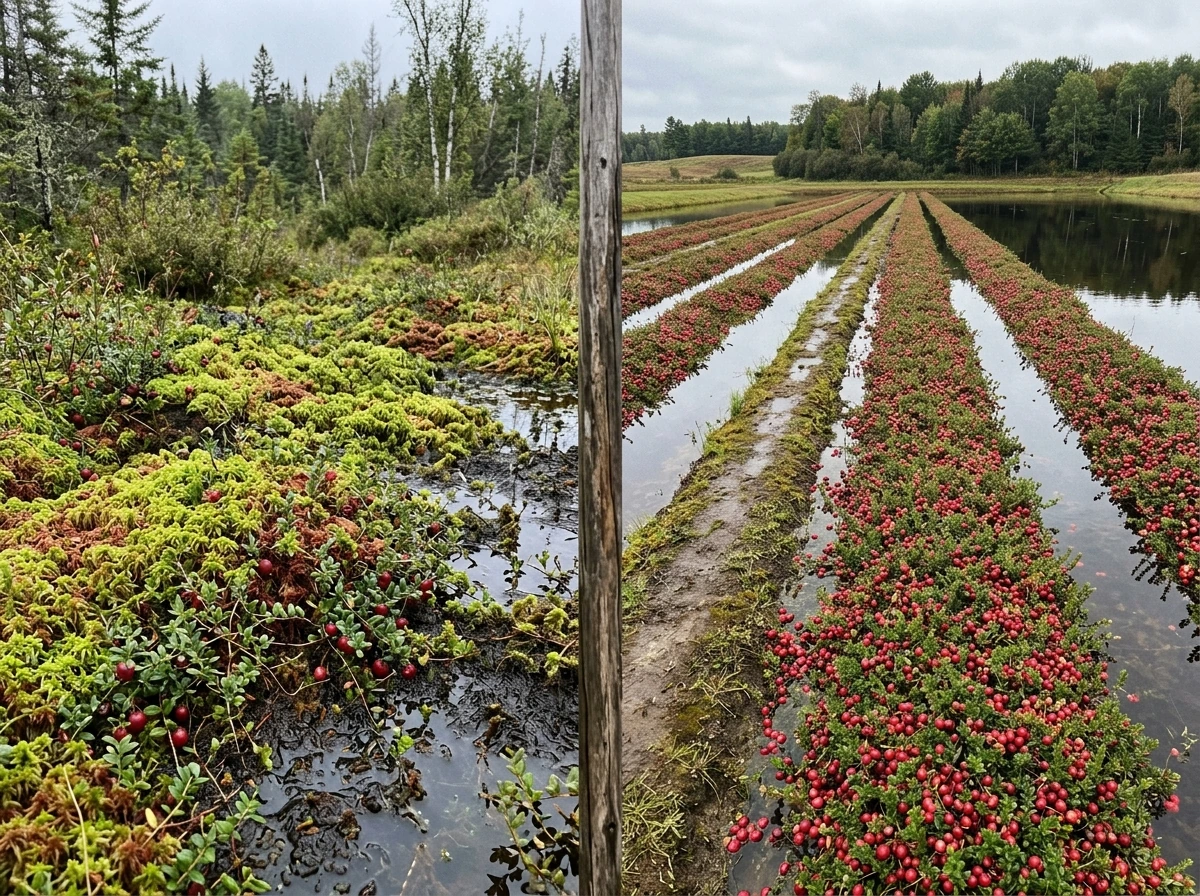
The natural habitat: bogs, sphagnum, and acidic wetlands
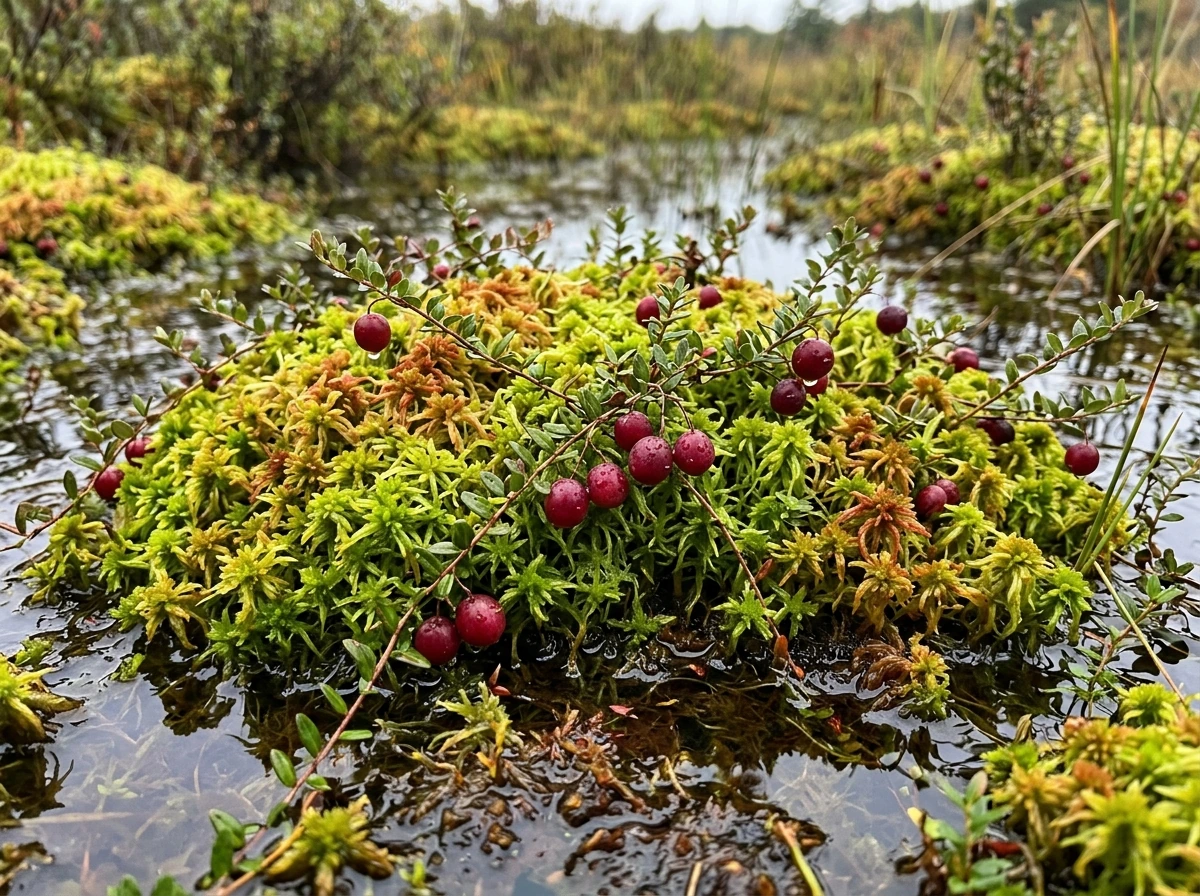
The American cranberry (Vaccinium macrocarpon) didn't evolve in a garden bed or a raised planter, it evolved on sphagnum moss mats floating over boggy, waterlogged ground. The plant's roots push into peat and moss, and water is wicked up through those layers constantly. That's the whole system. It's not just that cranberries like wet soil; they're classified as an obligate wetland species, meaning they genuinely require wetland conditions to survive and reproduce in the wild.
The soils in their native habitat are usually peat or muck (organic soils that built up over centuries of decomposing plant matter) or acidic sandy mineral soils. The key chemical feature is extreme acidity: pH 4.0 to 5.0 is the documented natural range, and commercial bog construction targets pH 4.0 to 5.5. To put that in perspective, most garden vegetables prefer a pH somewhere around 6. North Carolina State University Extension notes that Vaccinium macrocarpon is typically grown in soil with a pH around 4.0 to 5.2 soil pH around 4.0 to 5.2. 0 to 7.0, cranberry soil is dramatically more acidic. This is why, as MOFGA points out directly, cranberries simply will not grow in regular garden soil. The biology isn't set up for it.
Where cranberries grow in the wild
In North America, Vaccinium macrocarpon grows wild across a broad swath of cool-temperate terrain. Its native range runs from central and eastern Canada (Ontario through Newfoundland) down into the northeastern and north-central United States, think New England, the Great Lakes region, and the mid-Atlantic. It also grows south along the Appalachian Mountains as far as North Carolina and Tennessee, where higher elevations provide the cooler, wetter microclimate the plant needs. If you’re asking how often do cranberries grow stardew, the game’s schedule is tied to seasons and planting timing rather than natural bog conditions.
What ties all of these locations together isn't just cold winters, it's the combination of cold winters, cool growing seasons, naturally acidic wetland soils, and reliable moisture. You won't find wild cranberries in the arid West, the subtropical South, or anywhere with warm, alkaline soils. Their native footprint is a pretty clear roadmap for where they can realistically be cultivated.
Where cranberries are grown commercially today
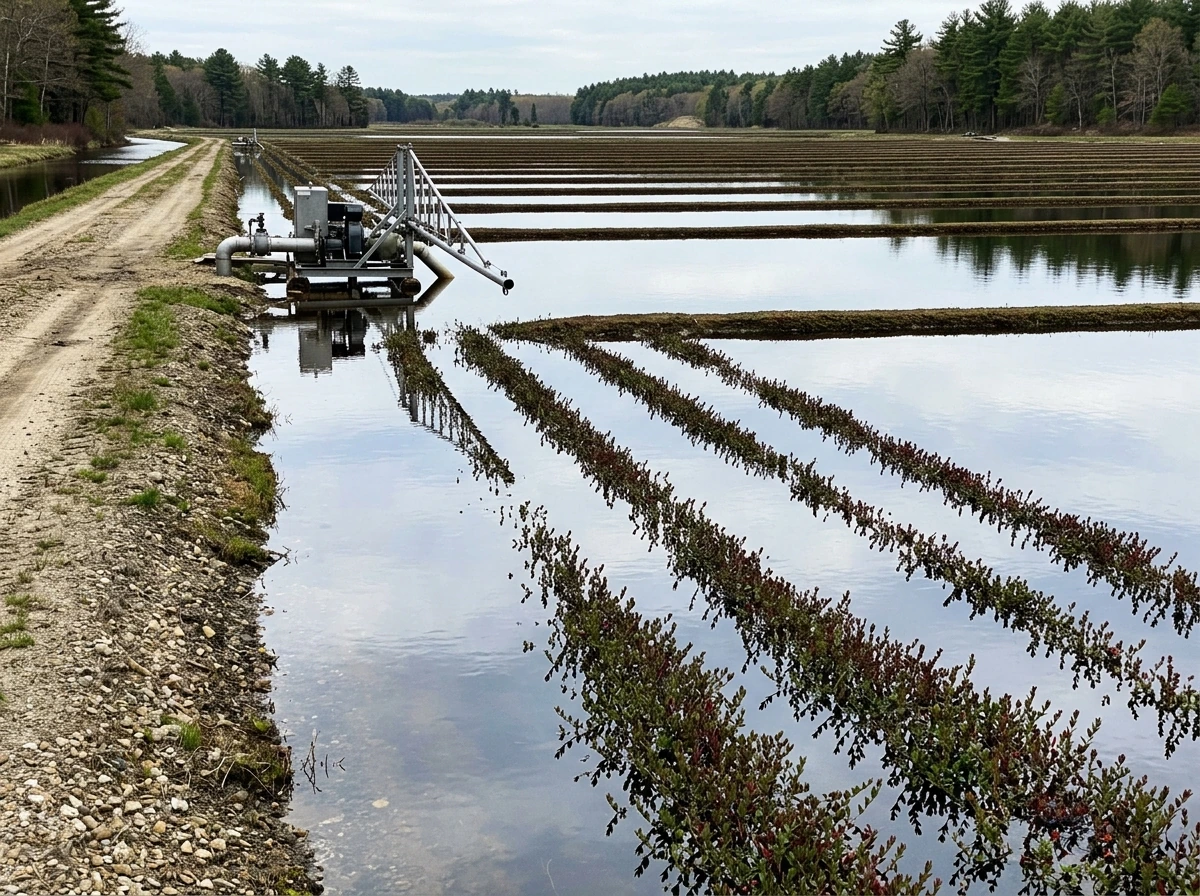
Commercial cranberry production in the US is dominated by Wisconsin, which accounts for roughly 60% of the national crop. Massachusetts is the second-largest producer at around 26%. New Jersey, Oregon, Washington, and Maine round out the major growing states. In Canada, British Columbia and Quebec are significant producers. All of these regions share cool-temperate climates with reliable cold winters, the kind of chilling hours the plants need to complete their dormant cycle (specifically hours spent between 32°F and 45°F).
One thing worth knowing: commercial cranberry bogs are not flooded year-round. The flooding you see in harvest photos is a specific management technique, bogs are flooded for wet harvesting in fall, for winter protection, and for spring frost protection of fruit buds. During the actual growing season, the soil is drained and managed, with the water table kept at roughly 6 to 12 inches below the surface. That distinction matters when you're thinking about replicating conditions at home.
What cranberries actually need to thrive
Getting this right comes down to four things: soil pH, moisture management, sunlight, and temperature. Miss any one of them significantly and you'll struggle.
Soil pH and substrate
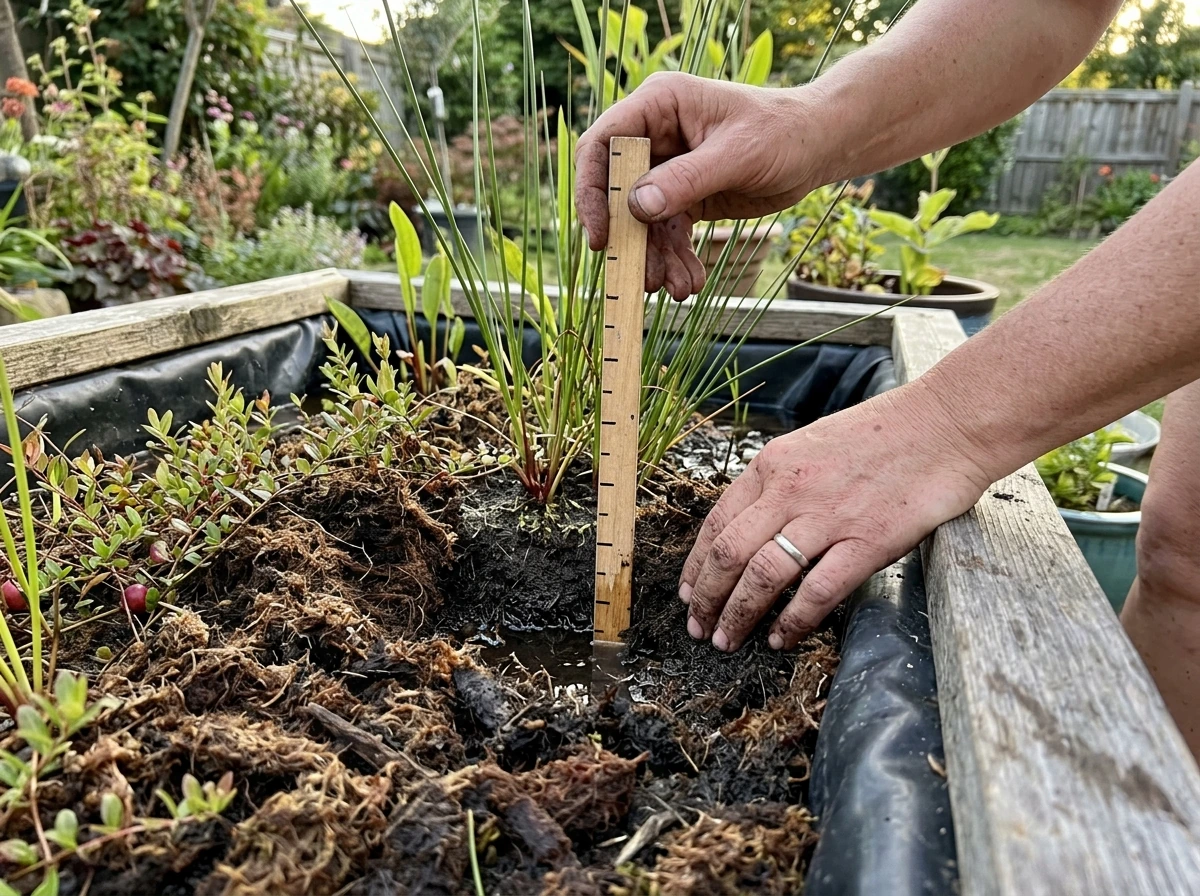
Target pH 4.0 to 5.5, with the sweet spot being right around 4.5. Below pH 4.0, you'll hit nutrient uptake issues. Above 5.5, weed competition increases noticeably, and above 6.5 the problem gets serious enough to crowd out the cranberry vines altogether. The substrate itself should be acidic peat, acidic sandy soil, or a blend of the two. Pure heavy clay or standard topsoil won't drain correctly and won't hold the right pH.
Water management
During the growing season, the water table should sit 6 to 12 inches below the soil surface, close enough to keep roots moist, far enough down that the crown and upper roots aren't permanently submerged. Consistent moisture is non-negotiable. In practice this means either a naturally high water table, irrigation, or a controlled drainage system depending on your setup.
Sunlight
Cranberries need full sun, at least 6 hours of direct light per day, and more is better. Shading them significantly reduces fruit production. I've seen people try to tuck cranberry plantings under trees near a water feature thinking the shade and moisture would be ideal, and the vines survive but barely fruit. Sun first, then moisture.
Temperature and chilling requirements
Cranberries are cool-climate plants that genuinely need cold winters. Their dormant cycle requires a meaningful number of chilling hours, time spent between 32°F and 45°F, to reset properly each year. Without that cold period, the plants don't flower and fruit reliably. USDA zones 2 through 6 are generally the reliable range, with some success in zone 7 depending on the specific site and winter patterns. Zones 8 and warmer are almost always too warm for consistent production.
Pollination
Cranberry flowers can't self-fertilize, they need pollinators to move pollen between flowers. Commercial growers introduce honeybee hives and rely on bumblebees once about 5% of the bog is in bloom. For a home planting, this just means making sure your garden has good pollinator activity during bloom, which is usually mid-to-late spring. If you're growing in a very isolated spot with few pollinators around, fruit set will be poor regardless of how well you manage everything else.
Can your location actually support cranberries? A quick site check
Before you buy plants, run through these five checks honestly. I'd rather you spend ten minutes on this now than two years nursing vines that were never going to work in your yard.
- Climate zone: Are you in USDA zones 2 to 6 (or marginal zone 7)? If you're zone 8 or warmer, your winters likely don't provide enough chilling hours for reliable fruiting. Container growing outdoors won't solve this problem unless you can provide cold storage for the plants in winter.
- Natural water access: Do you have a naturally wet area, a pond edge, a stream margin, or a spot where water pools seasonally? A naturally high or manageable water table is the single biggest advantage you can have. If your yard is dry and well-draining, you'll need to engineer moisture management.
- Current soil pH: Test your soil (a simple kit or a local extension service test will work). If you're sitting at pH 6.0 or above, you'll need significant amendment — sulfur applications take time to work, sometimes a full growing season or more to drop pH meaningfully.
- Sunlight: Does the candidate spot get 6 or more hours of direct sun daily? Partial shade isn't workable for reliable fruit production.
- Soil type: Is your soil sandy, peaty, or organically rich? Heavy clay or dense loam without amendment won't drain correctly around the roots even when you keep moisture levels high. You'd need to replace or heavily amend the growing medium.
If you check off climate zone, sunlight, and are willing to manage water and soil, you're a realistic candidate. If your climate is marginal (zone 7) or your soil is completely wrong, the workarounds below are your path forward.
Growing cranberries outside their ideal zone: containers, raised beds, and water control
Here's the honest assessment: cranberries are not impossible outside their native range, but they require you to do the work the bog naturally does for free. Here's the honest assessment: cranberries are not impossible outside their native range, but they require you to do the work the bog naturally does for free can you grow cranberries. That means controlling pH, controlling moisture, and making sure the cold requirement is met. containers and raised beds give you precise control over all three soil variables. can you grow cranberries
Container growing
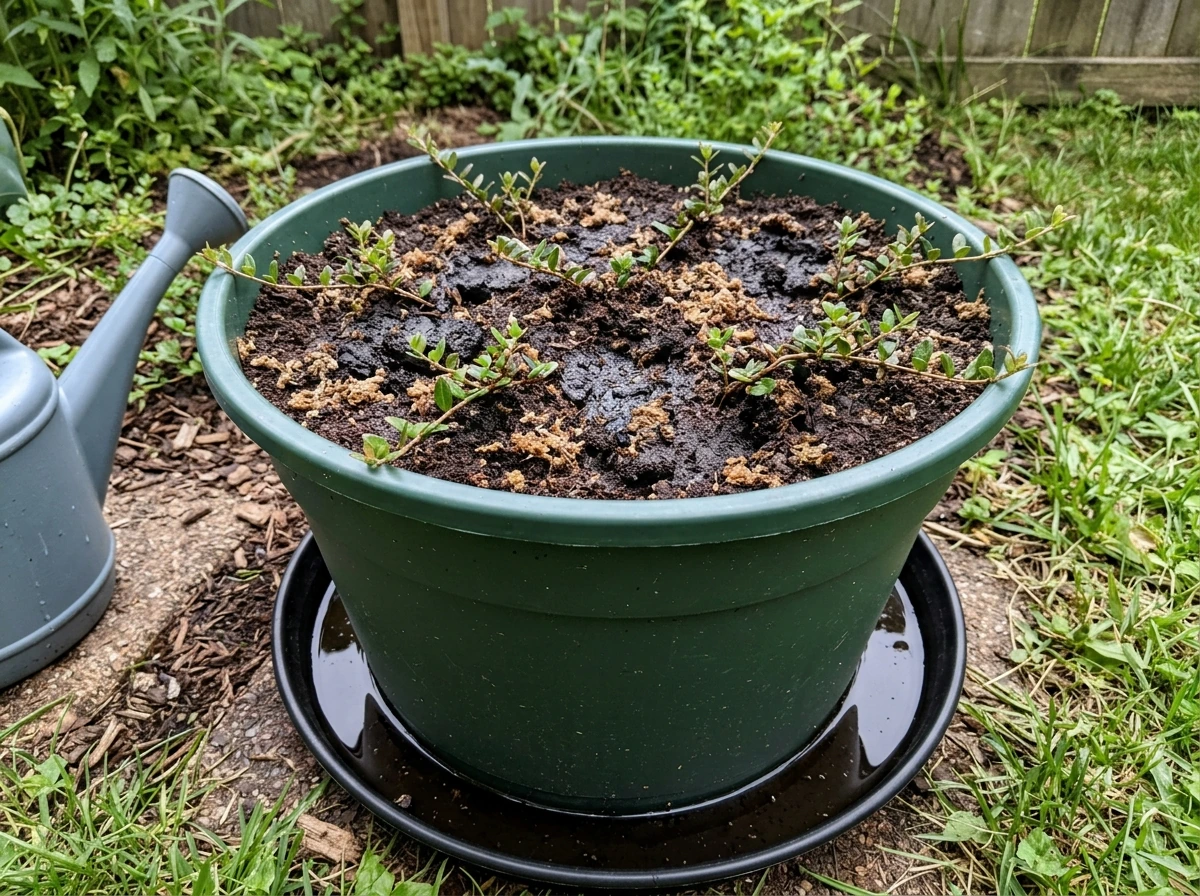
A large container (think 12 to 18 inches deep and at least 18 inches wide) filled with the right substrate is a very workable setup. Use a mix of acidic peat moss as the primary ingredient, this is the closest approximation to the natural sphagnum-and-peat environment. You can blend in some coarse horticultural sand for drainage adjustment, but don't go more than about 30% sand or you'll lose moisture retention. Do not use regular potting mix; it's almost always pH 6.0 or higher and often contains lime. Test your mix's pH before planting and adjust with sulfur if needed.
Water management in containers is about keeping the soil consistently moist without leaving the crown sitting in standing water. One approach that works well: drill drainage holes about 4 to 6 inches up from the bottom of the container rather than at the very base. This creates a small reservoir at the bottom while still allowing excess water to drain, mimicking that 6 to 12 inch water table depth. During hot, dry periods you'll be watering frequently, don't let the peat dry out, because it's very difficult to rewet once it's fully dried.
Raised beds
For a slightly larger planting, a lined raised bed gives you more root space and easier moisture management than a container. Line the bed with a pond liner or heavy plastic sheeting (with a controlled drainage outlet) to hold moisture. Fill it with a mix of acidic peat, sand, and if available, some naturally acidic topsoil from a woodland edge. The University of Maine Cooperative Extension recommends peat as a base material specifically for this kind of backyard cranberry plot. Keep the bed in full sun and make sure your drainage control lets you hold or release water as needed through the season.
Handling the chilling requirement in warmer zones
If you're in zone 7 and your winters are borderline, container growing gives you the option of moving plants to an unheated garage, shed, or cold frame during the coldest months to ensure they get adequate chilling without the risk of total freeze-out. In zone 8 and warmer, this becomes genuinely difficult, there's no practical way to artificially provide the extended cold these plants need outdoors, and indoor cold storage for an actively growing vine is impractical at scale. At that point I'd honestly steer you toward other berry options better suited to your climate.
Cranberries vs. other bog berries: a quick comparison
If cranberries are looking like a stretch for your location, it's worth knowing how they stack up against similar small-fruiting bog or heath-family plants. This helps you decide whether to push forward with cranberries or pivot to something more forgiving.
| Plant | USDA Zones | pH Requirement | Water Needs | Difficulty for Home Growers |
|---|---|---|---|---|
| American Cranberry (V. macrocarpon) | Zones 2–6 (marginal 7) | 4.0–5.5 | Very high, near-bog moisture | High — needs careful pH and water management |
| Lingonberry (V. vitis-idaea) | Zones 3–7 | 4.5–6.0 | Moderate, well-drained acidic soil | Moderate — more forgiving than cranberry |
| Lowbush Blueberry (V. angustifolium) | Zones 3–6 | 4.5–5.5 | Moderate, tolerates drier acidic soil | Moderate — easier than cranberry |
| Bog Bilberry (V. uliginosum) | Zones 2–5 | 4.0–5.5 | High, tolerates wet boggy soil | Moderate — cold-climate specialist |
If you're zone 7 or warmer, lingonberry is genuinely worth considering as an alternative, it's in the same family, produces tart red berries, tolerates a slightly wider pH range, and doesn't have the same intense water table requirement. It won't give you that classic cranberry flavor, but it's far more manageable in a garden context outside the cool-temperate zone.
The bottom line: match the bog or work around it
Cranberries are rewarding to grow, but they're not flexible about their core requirements. Acidic soil (pH 4.0 to 5.5), consistent near-bog moisture with that water table sitting 6 to 12 inches down, full sun, and cold winters, that's the checklist. If your location naturally provides most of those, you're in good shape. If you're working outside the ideal range, containers and raised beds with amended peat-based soil and controlled drainage can get you there, provided your climate zone is still in the ballpark. For detailed information on the mechanics of how the vines actually develop and spread once you've got them planted, the growing process itself is worth exploring in depth separately. If you want a themed refresher on return to moria can you grow cranberries, revisit the key growing requirements before you start.
FAQ
Cranberries grow where, but what if my yard only gets wet in spring and then dries out?
They grow best in places that naturally stay wet at plant-root depth, not just “moist.” If your soil dries down and re-wets slowly, you may need a controlled drainage setup, for example a raised bed or container that can hold the equivalent of a 6 to 12 inch water table during the growing season.
Can I grow cranberries where other acidic plants do, like in ericaceous soil beds?
No. Regular garden soil is usually too high pH (often near 6.0 to 7.0) and typically lacks the peat-like structure that keeps acidity and moisture stable. Even if you water heavily, pH imbalance will limit nutrient uptake and fruiting.
If my winters are cold, do cranberries still need chilling hours to grow where they should?
They can tolerate very cold weather, but they still need enough chilling hours to complete dormancy. In marginal climates, containers can be moved into an unheated garage, shed, or cold frame specifically to ensure the plants experience the needed cold window without constant freeze-thaw stress.
How much shade can cranberries tolerate in the places where they grow best?
Full sun is important, but “full” in this case means direct light most of the day. Dappled shade near trees, even if the plants look healthy, often reduces flowering and the later fruit load.
Where should cranberries grow for good yields, and what if they flower but don’t fruit?
Pollinators affect fruit set, not plant survival. If you have the right bog-like conditions but you get poor fruit, check whether bloom time overlaps with enough active pollinators (mid-to-late spring) and avoid heavy pesticide use during that period.
If cranberries need a near-bog moisture level, what goes wrong if I miss watering for a week?
Avoid letting peat fully dry out, because rewetting can become difficult and uneven. If you must pause watering for any reason, monitor the moisture daily and aim for steady moisture rather than cycling between wet and dry.
How do I know my container mix is right for where cranberries grow, and can I “fix it later”?
The safest approach is to test the mix pH after you assemble it. If it’s above the target range, adjusting with sulfur takes time and may not distribute evenly in small volumes, so mixing and retesting before planting saves you from slow, unreliable correction.
Can I grow cranberries where it never really freezes much, like zone 8 areas?
They are not usually suited to areas that are warm and dry year-round, because you would be fighting both temperature and moisture control. If you are in zone 8 or warmer, you can sometimes keep them alive in a container, but consistent outdoor fruiting is usually not realistic.
When people show flooded cranberry bogs, does that mean cranberries grow where they are submerged all year?
They do not require year-round flooding, that harvest-season inundation is a management tool. During the growing season, most setups aim for roots kept wet while the crown is not sitting in standing water continuously.
Should I use a container or a raised bed if I’m trying to recreate where cranberries grow?
A lined raised bed with controlled drainage can work better than a container when you want more stable water levels and more root volume. Containers can be easier to manage for pH, but small peat volumes heat and dry faster, especially in hot, sunny spells.
What’s the best way to decide whether my climate is close enough to where cranberries grow naturally?
Not always. You can meet pH and moisture needs with peat-based media, but you cannot fully “borrow” the bog ecosystem if winter chilling is insufficient. Before investing, verify both your expected chilling hours and your ability to maintain acidic, near-bog moisture.