
Minnesota is genuinely one of the better states for growing berries, as long as you pick varieties that can handle zone 3 and 4 winters. Raspberries, strawberries, half-high blueberries, gooseberries, and currants all perform reliably here. Blackberries are possible but need the right cultivar and some extra attention. If you are just getting started, raspberries and strawberries are your easiest wins. Missouri gardeners can use many of the same berry categories, but they should prioritize varieties matched to the state’s warmer growing season and winter cold raspberries and strawberries. Blueberries take more patience and soil prep but can produce for 30 years or more once established.
Best Berries to Grow in Minnesota: Varieties and Care Guide
Marcus Holloway
19 Jun 2026
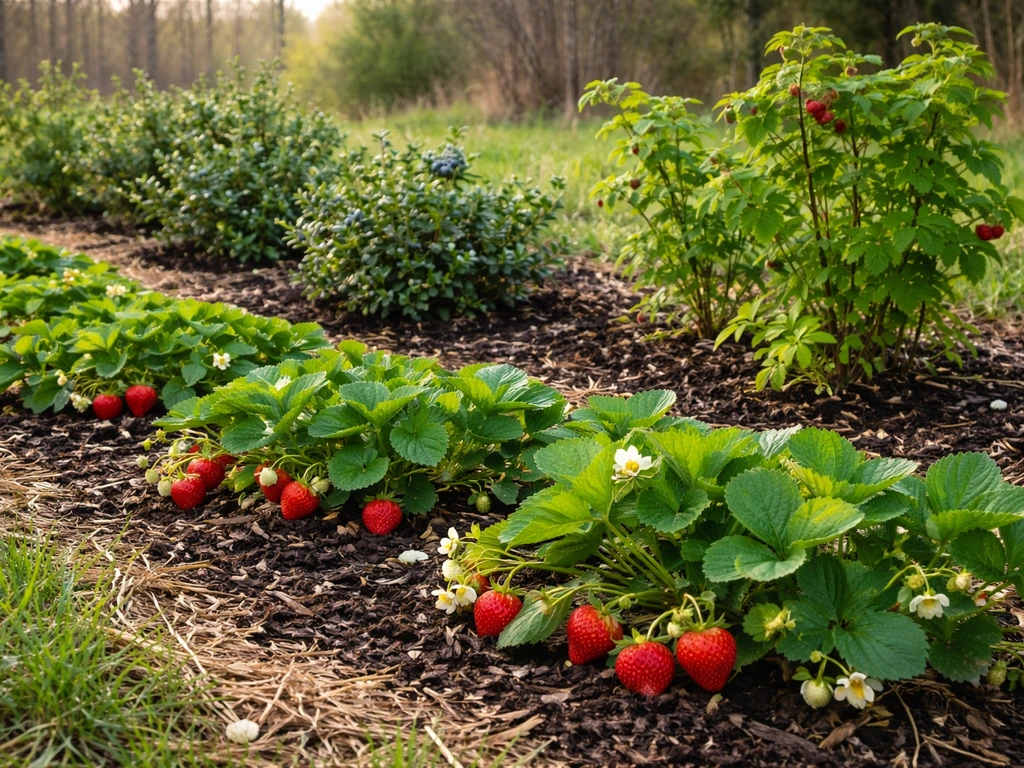
Berries that thrive in Minnesota climates
Minnesota's cold winters (zones 3b to 5a depending on your location), variable springs, and reasonably warm summers create a specific filter for berry growing. The berries that do well here are the ones bred or naturally adapted for that freeze-thaw cycle. University of Minnesota's own breeding programs have produced several standout cultivars specifically for this state, so you have some real advantages if you lean into those options.
The core lineup for Minnesota home gardens is: half-high blueberries, June-bearing and day-neutral strawberries, red and fall-bearing raspberries, gooseberries, and black or red currants. Blackberries round out the list but need a careful cultivar choice since most trailing and thornless types are not cold-hardy enough for most of the state. If you are in southern Minnesota (zone 4b or 5a), your options widen a bit, but even in the northern zones the core list above gives you a full season of harvests from June through September.
Top berry picks by type and hardiness
Blueberries
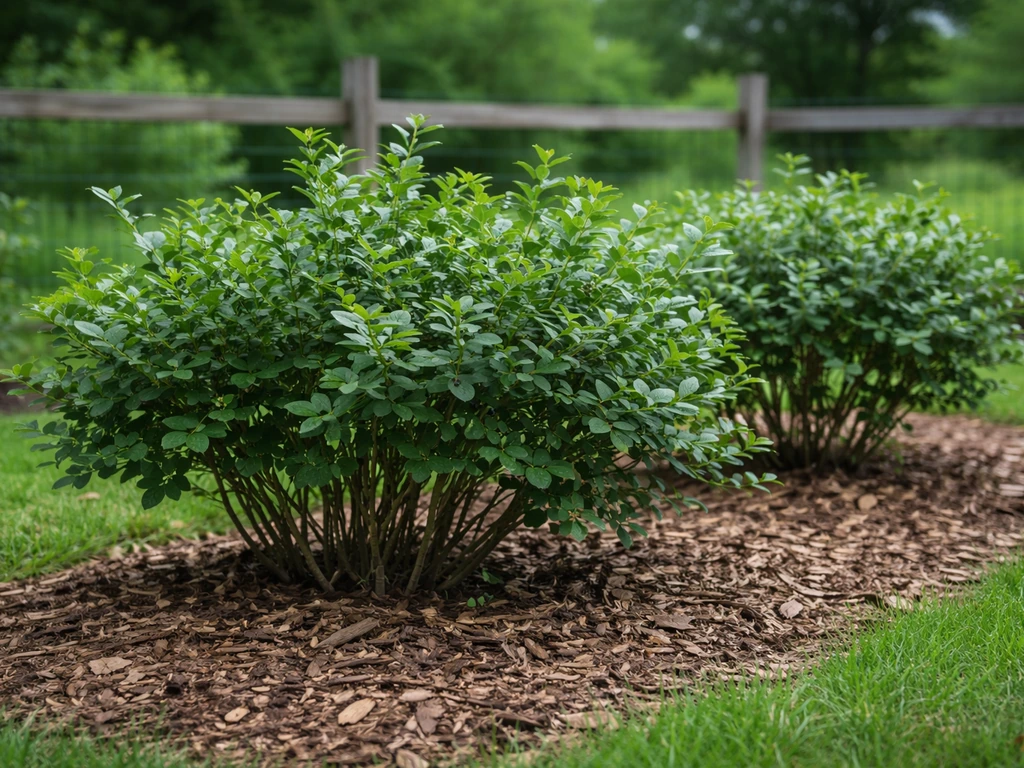
Go with half-high varieties. These were largely developed by the University of Minnesota's cold-hardy blueberry breeding program and are specifically designed for zones 3, 4, and 5. The most commonly recommended cultivars are Chippewa, Northblue, Northcountry, Northsky, Polaris, St. Cloud, and Superior. Northcountry and Chippewa are good all-around picks for zone 3 to 5. Polaris ripens early and has an upright habit that makes harvesting easier. Plant at least two different varieties for cross-pollination and better fruit set. Blueberries are a long game: expect 8 to 10 years before plants reach full size, but they can produce for 30 years with good site management.
Strawberries
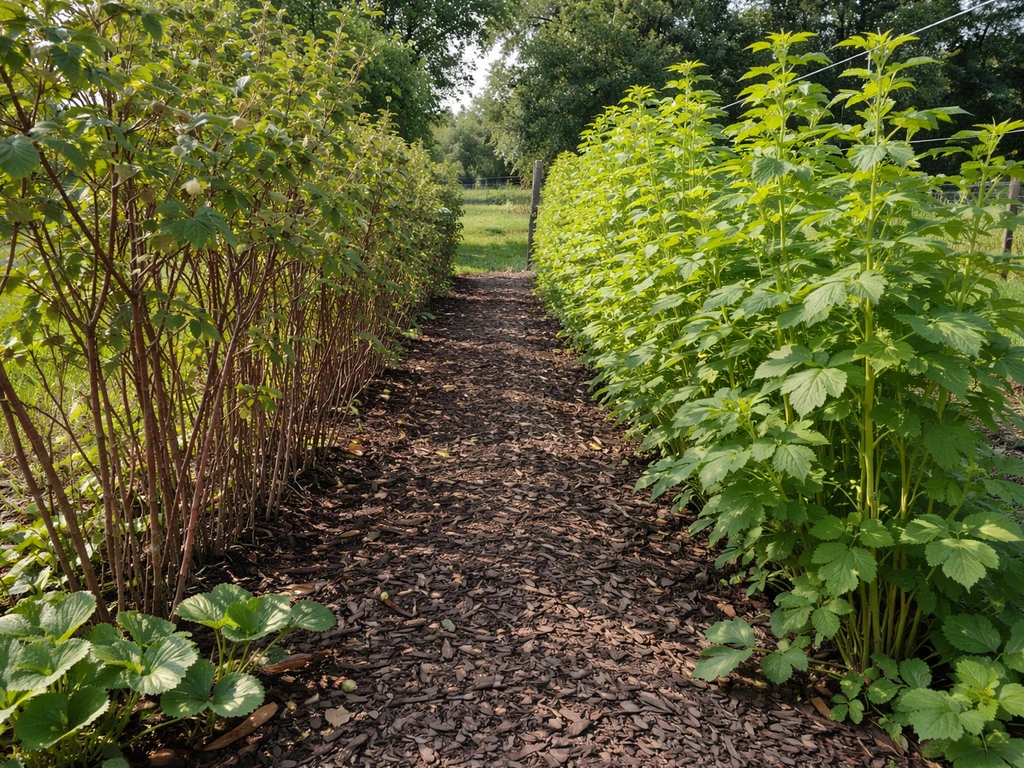
June-bearing varieties are the Minnesota workhorse. UMN trial-recommended cultivars include Earliglow, Honeoye, Jewel, and Allstar. Honeoye is the only one with partial resistance to gray mold, which matters in Minnesota's wet springs, so it is worth including in your patch. If you want a longer harvest window, add day-neutral varieties, which produce continuously when temperatures stay moderate. Strawberries planted in spring typically begin flowering in mid-May in southern Minnesota, with June-bearing fruit coming in late June. Productivity peaks in years two through four for most systems.
Raspberries
Both summer-bearing (floricane) and fall-bearing (primocane) raspberries grow well in Minnesota. Fall-bearing types like Heritage give you a second harvest in late summer and early fall, though early autumn freezes in northern Minnesota can cut that season short. Red raspberries are the most reliably cold-hardy. The key pest you need to know about is spotted wing drosophila (SWD), which UMN Extension identifies as the primary limiting factor for raspberry production in the state. Plan your pest scouting and harvest timing around it.
Gooseberries and currants
These are underused gems for Minnesota gardens. Both are extremely cold-hardy and low-maintenance once established. Gooseberries are self-fertile, so you only need one plant to get fruit. Look for rust-resistant cultivars like Captivator (gooseberry) to avoid a historically common Upper Midwest disease issue. Black and red currants (Ribes nigrum and relatives) are equally hardy and productive. Newer varieties have been bred specifically for rust resistance, making this much less of a concern than it once was.
Blackberries
Blackberries are the trickiest on this list for Minnesota. Trailing and thornless cultivars are generally not winter-hardy enough for most of the state. If you want to try blackberries, stick with erect, thorned cultivars bred for hardiness like Illini Hardy or Darrow. Even these may need some winter cane protection in zone 3 and 4. Southern Minnesota gardeners in zone 5a have the most realistic shot at consistent harvests without extra work.
Soil, sun, and moisture needs for Minnesota berry types
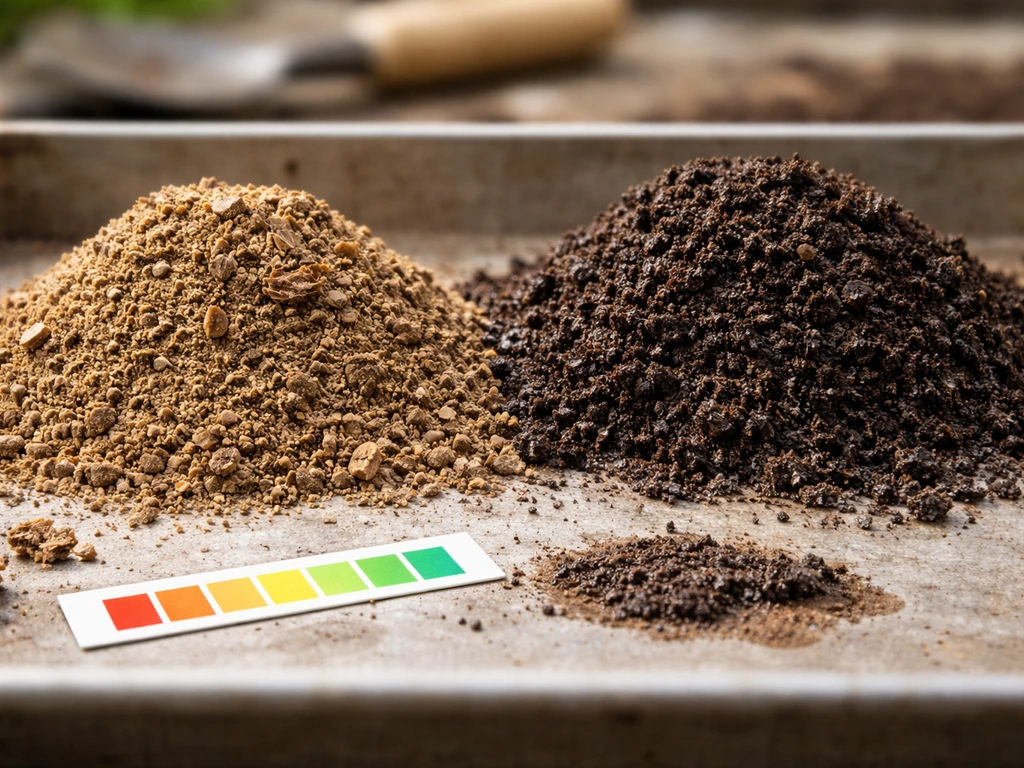
Most berries want full sun, which in Minnesota means at least six to eight hours of direct sun per day. Good drainage matters for nearly all of them. Where they diverge is in pH and moisture requirements, and getting those right is the difference between thriving plants and struggling ones.
| Berry | Sun | Soil pH | Moisture/Drainage | Special notes |
|---|---|---|---|---|
| Blueberry (half-high) | Full sun | 4.5–5.5 | Well-drained, loose, high organic matter | Most critical pH requirement; amend soil before planting |
| Strawberry | Full sun | 5.2–6.0 | Consistent moisture, well-drained | Avoid low spots prone to late frost |
| Raspberry | Full sun | 5.5–6.5 | Well-drained; no standing water | Good air circulation reduces disease |
| Gooseberry/Currant | Full sun to part shade | 5.5–7.0 | Moderate; tolerates some clay | One of the most adaptable to varied MN soils |
| Blackberry | Full sun | 5.5–7.0 | Well-drained | Needs sheltered site in colder zones |
Blueberries get the most attention here because their pH requirement is genuinely strict. Most Minnesota soils are too alkaline for blueberries without amendment. You need to get soil pH down to 4.5 to 5.5 before planting. Work sulfur into the bed well ahead of planting (the previous fall is ideal) and test your pH to confirm. The soil also needs to be loose, well-drained, and high in organic matter. After planting, mulch with 2 to 4 inches of an acidic organic material: sawdust, pine needles, peat moss, or oak leaves all work well and help maintain moisture and soil pH over time.
Planting and spacing: timing, depth, and establishment
For most Minnesota berries, spring planting is the standard. You want the soil workable and warm enough to get a trowel in without difficulty, typically mid-April to mid-May depending on where in the state you are. Dormant transplants go in as soon as conditions allow. Container plants from a garden center go in when the soil is ready, matching the planting depth to where the plant sat in its container.
- Strawberries: Plant dormant transplants in spring once the soil is workable. Match depth to the container or set bare-root plants so the crown sits at soil level, neither buried nor exposed. Space plants about 18 inches apart in rows 3 to 4 feet apart for a matted row system.
- Raspberries: Plant plug plants about 2 feet apart within rows, with rows spaced 8 to 10 feet apart to allow for spread and air circulation. Plant at the same depth as in the nursery container.
- Blueberries: Space half-high varieties 3 to 4 feet apart within rows, rows 6 to 8 feet apart. Plant at the same depth as the container. Apply acidic mulch immediately after planting.
- Gooseberries and currants: Plant about an inch deeper than they were in the nursery to bury the root collar and encourage additional rooting. Space bushes 4 to 5 feet apart.
- Blackberries: Plant erect cultivars 2 to 3 feet apart in rows. In colder zones, choose a site with good wind protection and consider a trellis system for cane support.
First-year establishment is critical for all of these. Keep soil consistently moist but not waterlogged through the first growing season. For blueberries especially, resist the urge to harvest any fruit in year one. Let the plant focus its energy on root development. Pinching off flowers in the first year is standard advice that most gardeners skip, then regret.
Container and small-space growing in Minnesota
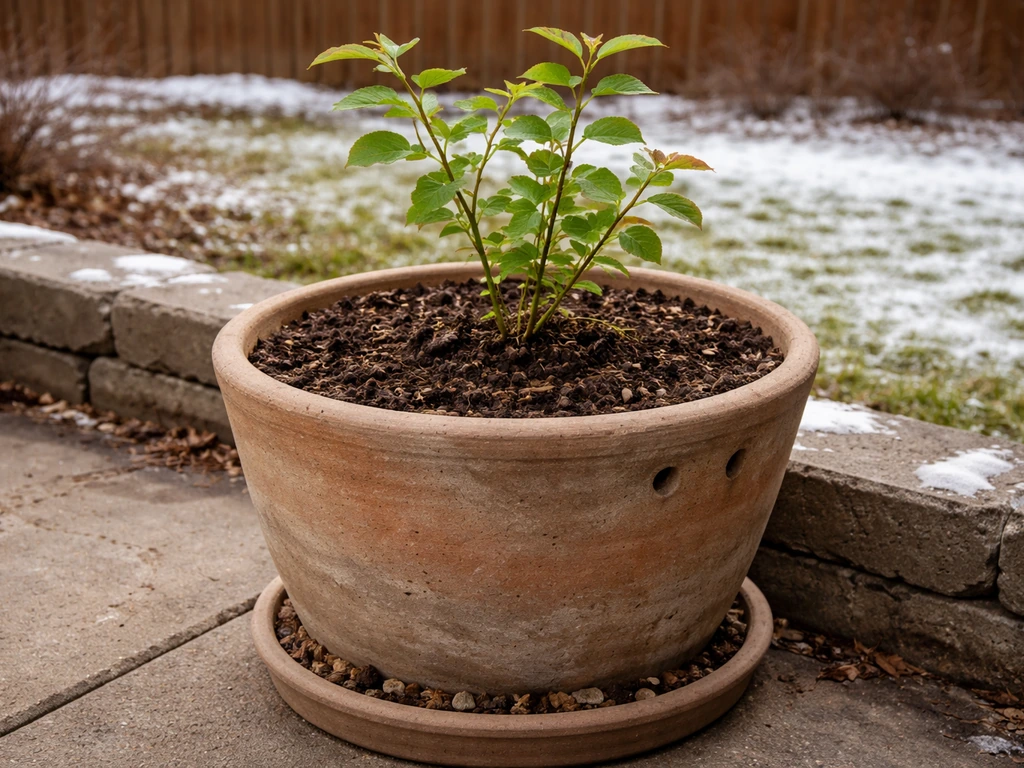
Container growing works particularly well for blueberries in Minnesota because it lets you control the soil pH precisely without amending a whole bed. Use a large container (at least 15 to 20 gallons) filled with an acidic potting mix, such as a blend of peat moss and perlite or a dedicated blueberry mix. Monitor moisture levels closely because containers dry out faster than in-ground plantings, especially during summer heat waves. Drip irrigation or a consistent hand-watering schedule is important.
The bigger challenge with container blueberries in Minnesota is winter. The roots are above ground and far more vulnerable to freezing than in-ground plants. Before hard freezes arrive, move containers into an unheated garage or shed where temperatures stay cold but do not drop below about 10 to 20 degrees Fahrenheit for extended periods. The plants need chilling hours to produce well the following year, so a cold but not brutally frozen storage environment is the target.
Strawberries are a natural for containers and raised beds. Day-neutral varieties work especially well in containers because they produce small flushes of fruit throughout the season rather than one big June harvest. A non-soil growing medium like coconut coir or peat-based potting mix works well for day-neutral production in containers or tabletop setups. Hanging baskets with trailing varieties can also work but dry out extremely fast in Minnesota summer heat.
Currants and gooseberries can be kept in larger containers or grown in tight spots along a fence or property edge. They tolerate part shade better than most other berries, making them useful for spots that do not get a full day of sun. Raspberries generally do not thrive long-term in containers because of their spreading root system, but a raised bed with root barriers can work for a small, manageable patch.
Ongoing care: pruning, fertilizing, and pest and disease basics
Pruning and training
Raspberries need the most active pruning management. Summer-bearing types produce on two-year-old canes (floricanes), so after harvest you remove spent canes at ground level. Fall-bearing (primocane) types can be managed two ways: cut all canes to the ground each spring for a single fall crop, or leave the canes and get both a summer and fall crop on the same cane. The simpler approach for most home gardeners is the full cut-down in spring. Keep raspberry beds narrow (18 to 24 inches wide) and thin canes so the patch stays open and well-aired, which directly reduces cane disease pressure.
Blueberries need very little pruning for the first three to four years. Once mature, remove old woody canes at the base every few years to encourage new productive growth. Gooseberries and currants are similarly low-effort: remove crossing or dead canes annually and thin the center of the bush for airflow. Strawberries in a matted row system need to be renovated after harvest each year by mowing foliage down to about an inch, then thinning the remaining plants.
Fertilizing
Keep fertilization simple and conservative. Over-fertilizing pushes leafy growth at the expense of fruit and can make plants more susceptible to winter injury. For blueberries, use an acidifying fertilizer (ammonium sulfate is commonly recommended) and follow soil test results. For strawberries, raspberries, and currants, a balanced fertilizer applied in early spring as growth starts is sufficient for most home gardens. Skip fall fertilizing for all Minnesota berries, as it pushes soft late-season growth that is vulnerable to early freezes.
Key pests and diseases to know
Spotted wing drosophila (SWD) is the pest that most consistently affects raspberries and blueberries in Minnesota. Unlike other fruit flies that attack overripe or damaged fruit, SWD lays eggs in ripening fruit. Scout early in the season and be ready to harvest promptly when fruit ripens. Reducing overripe fruit left on plants is your first line of defense.
Japanese beetles are a secondary concern for raspberries. For blueberries, watch for blueberry witches' broom, a viral disease with no cure: if you see it, dig and dispose of infected plants completely. Gray mold (Botrytis) affects strawberries, blueberries, and raspberries during cool, wet springs. This UMN diagnosis page flags spotted wing drosophila and Botrytis or gray mold as possible causes of soft or rotten blueberry fruit [Gray mold (Botrytis) affects strawberries, blueberries, and raspberries during cool, wet springs.
](https://apps. extension. umn. edu/garden/diagnose/plant/fruit/blueberry/berriesrotten.
html). Use straw mulch under strawberries to reduce raindrop splash, and in patches with a gray mold history, remove and discard old straw in early spring around lilac bud timing rather than leaving it in place. Keeping beds open and well-drained prevents most disease problems before they start.
Harvest timing and what to expect
One of the best things about growing multiple berry types is that you can stage harvests from early June through September. Here is a rough Minnesota harvest sequence to plan around: If you are looking for a quick starting point for a different climate, see best berries to grow in new mexico for options that match warmer, drier conditions.
| Berry | Approximate harvest window (MN) | Years to first good harvest | Productive lifespan |
|---|---|---|---|
| Strawberry (June-bearing) | Mid to late June | Year 2 | 3–5 years per bed before renovation |
| Strawberry (day-neutral) | June through September (with breaks) | Year 1 (modest) | 2–3 years per planting |
| Raspberry (summer-bearing) | Late June to late July | Year 2 | 10+ years with management |
| Raspberry (fall-bearing) | August through September | Year 1 (light) | 10+ years with management |
| Blueberry (half-high) | July to August (varies by variety) | Year 3–4 (light); full at 8–10 years | 30+ years |
| Gooseberry/Currant | July | Year 2–3 | 15–20 years |
| Blackberry (erect, hardy) | Late July to August | Year 2 | 10+ years |
If you are planning a layout for a new berry patch, a practical approach is to plant raspberries and strawberries first since they reward you quickly. Add a blueberry duo (two varieties for cross-pollination) in its own amended bed, and tuck in a gooseberry or two along a fence line or property edge. That combination gives you something to harvest in your first or second year while the blueberries are getting established.
Gardeners in Iowa and Missouri have a warmer baseline and can get away with more blackberry variety options, but the core berry lineup above works reliably across Minnesota's full range. If you are growing in Iowa, aim for cold-hardy varieties and plan around your local winter lows for the best results.
Refrigerate berries promptly after harvest and handle them gently in firm-sided containers. Blueberries in particular bruise easily when stacked too deep. For a first berry patch, start with one or two types, get the soil and site right, and expand once you have the hang of it. If you are planning a Kansas garden, use the best berries to grow in Kansas guide to match cultivars to local heat, cold, and growing season length. Raspberries and June-bearing strawberries are genuinely hard to fail with in Minnesota, and that early success makes the slower work of establishing blueberries much more satisfying.
FAQ
Which berries are the best for a first-time Minnesota gardener if I want fruit quickly?
Prioritize raspberries (summer-bearing) and June-bearing strawberries, because you typically get harvests in year one and they are more forgiving than blueberries, which require years to reach full production. Plant blueberries in parallel, but expect slower payback, plan them in a separate, pH-corrected bed so you do not disrupt your other berry plantings later.
Do I really need to plant multiple blueberry varieties in Minnesota?
Yes, for most home gardens you will get better fruit set by planting at least two half-high blueberry varieties. If you only plant one, you may still see some berries, but yields are usually noticeably lower, especially in years when spring pollinator activity is uneven.
What is the most common blueberry mistake in Minnesota?
Using “regular” garden soil and assuming it is close enough, many Minnesota soils are too alkaline for blueberries. The practical fix is to measure pH before planting, then either amend well in advance with sulfur or grow in containers using an acidic mix, do not wait until after planting to correct pH.
How do I handle blueberry winter protection if I do not have an unheated garage?
In-ground half-high blueberries are generally hardier than container plants, but you still want winter wind protection and consistent moisture going into freeze-up. For containers, the more reliable alternative is an insulated cold frame, unheated shed, or burying the pot partially in the ground (leaving enough drainage) so roots do not repeatedly freeze and thaw.
Can I grow berries in partial shade in Minnesota?
Some can, currants and gooseberries handle part shade better than most, and they can be useful along a fence where you cannot give full sun. For blueberries, aiming for at least six to eight hours of direct sun is still important for yields, shade usually means smaller fruit and slower ripening.
How narrow should I keep a raspberry patch to reduce disease problems?
Keep it about 18 to 24 inches wide and remove extra canes so air can move through the planting. Overgrown, wide rows stay humid after storms and increase cane disease pressure, thinning is often the difference between manageable issues and constant problems.
What is the safest pruning approach for fall-bearing raspberries in Minnesota?
If you want the most dependable harvest and fewer disease issues, cut all canes to the ground in spring for a single fall crop. The “two-crop” approach (leaving canes) can be good in warmer southern areas, but early autumn freezes in the north commonly shorten the late harvest.
How should I scout and respond to spotted wing drosophila (SWD)?
Start scouting early when berries begin to ripen, then check daily or every other day during peak weather. Have a plan to harvest promptly at full ripeness, and avoid leaving overripe fruit on plants, because SWD focuses on laying eggs in ripening fruit rather than only rotting ones.
Do gooseberries really need only one plant?
Many gooseberry cultivars are self-fertile, so you often can get fruit from a single plant. Still, planting two different cultivars can increase yields in some gardens, and it can help if your chosen variety has less reliable self-pollination under cool spring conditions.
Are blackberries realistic for northern Minnesota?
They are possible but often inconsistent, most trailing and thornless types lack hardiness for typical northern zone winters. If you try them, choose erect, cold-hardy cultivars and plan for cane winter protection, southern Minnesota generally gives you the best odds for repeatable harvests.
How do I protect strawberries from gray mold in wet Minnesota springs?
Use straw mulch under plants to reduce raindrop splash and keep fruit off wet soil. Also, if your patch has had gray mold before, remove and discard old straw early in spring rather than leaving it in place, that reduces overwintered disease pressure.
What is the best way to fertilize berries without causing winter injury?
Use conservative feeding and stop short of fall fertilizing, because late-season soft growth is vulnerable to early freezes. In practice, apply a balanced fertilizer in early spring when growth starts for strawberries, raspberries, and currants, and use an acidifying fertilizer for blueberries only based on soil test results.
How should I store berries after harvest to avoid rapid spoilage?
Refrigerate promptly and handle berries gently in firm-sided containers, blueberries bruise easily when stacked too deep. For best quality, keep harvested fruit cool as soon as you can, and do not wash berries until you are ready to eat or process them.