
The best berries to grow in New Mexico are raspberries (especially everbearing types), blackberries, strawberries, and gooseberries. Boysenberries earn a spot too, particularly in southern NM. Blueberries are possible but require containers and serious soil management. If you're in northern or higher-elevation New Mexico, you have the most options. The further south and lower you go, the shorter your list gets, but it doesn't go to zero.
Best Berries to Grow in New Mexico: Varieties and How-To
Marcus Holloway
29 Jun 2026
New Mexico's berry climate: what you're actually working with
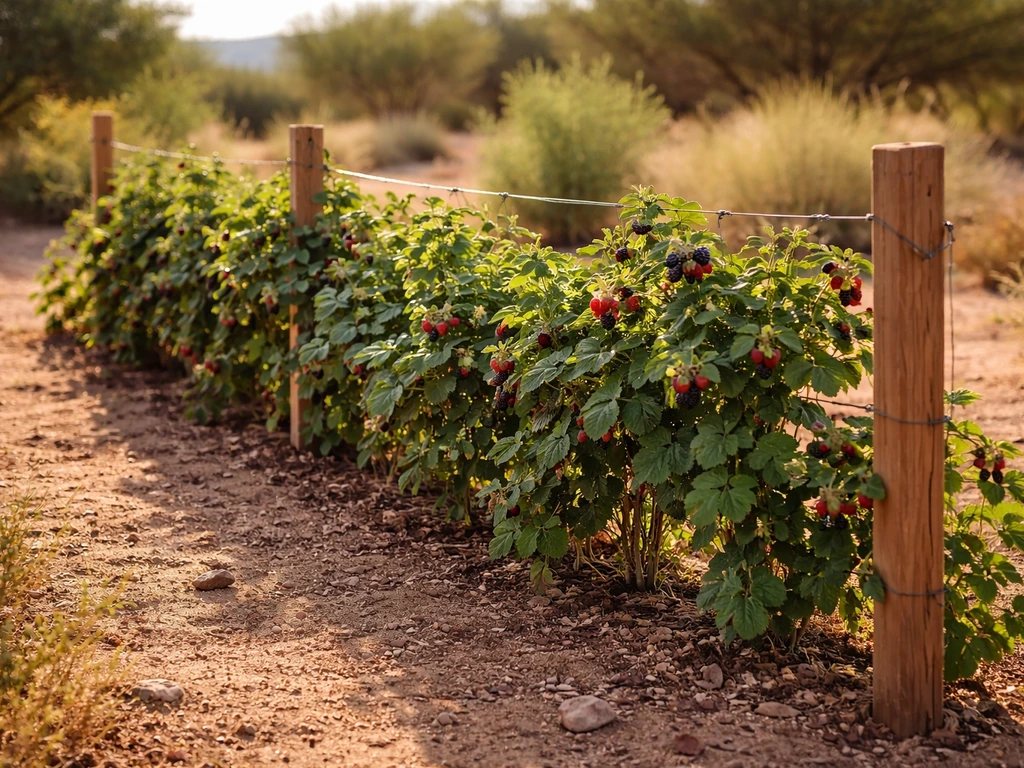
New Mexico is not an easy berry state, and it helps to be honest about that upfront. You're dealing with intense summer heat, low humidity, alkaline soils, and a wide swing in temperatures between seasons. Winters in the north can be genuinely cold (Zone 5 or 6 in places like Taos and Santa Fe), while southern parts like Las Cruces sit in Zone 8 and rarely freeze hard. What almost the entire state shares is low rainfall, high-pH calcareous soil, and summer sun that can scorch foliage on crops not adapted to handle it.
The one weather pattern that actually helps berry growers is the summer monsoon, which rolls in from roughly mid-July through September and delivers meaningful moisture. The catch is that it's unpredictable and comes in bursts rather than steady soaks. High humidity during monsoon season also raises disease pressure for crops that struggle with wet foliage. So your irrigation strategy needs to carry you through the dry spring and early summer, then dial back as monsoon rains arrive. Low-humidity conditions the rest of the year actually reduce fungal problems that plague berry growers in the Southeast or Midwest. That's a genuine advantage. If you're wondering what to plant in Missouri instead, the best berry types can differ based on your heat and winter chill best berries to grow in Missouri.
Cold-hardy vs. heat-tolerant: which berries fit where
NMSU is straightforward on this point: growing berries is generally more successful in northern New Mexico and at higher elevations. That's not because southern NM is impossible territory, but because most popular berry crops evolved for cooler conditions and struggle with prolonged summer heat above 95°F. Raspberries, strawberries, currants, and gooseberries all prefer cooler summers and can handle the cold winters the northern mountains deliver. Boysenberries are the notable exception, they're better adapted to warmer, lower-elevation conditions and are specifically recommended by NMSU for southern New Mexico.
| Berry | Best NM Region | Heat Tolerance | Cold Hardiness | Difficulty |
|---|---|---|---|---|
| Raspberry (everbearing) | North / mid-elevation | Moderate | High (Zone 4–5) | Easy to moderate |
| Blackberry (erect/semi-erect) | North / central | Moderate-High | Moderate (Zone 6+) | Moderate |
| Boysenberry | South / central | High | Moderate (Zone 6+) | Moderate |
| Strawberry | North / central | Moderate | High | Easy |
| Gooseberry | North / high elevation | Low-Moderate | Very high | Easy (in right spot) |
| Currant (red/black) | North / high elevation | Low | Very high | Easy (in right spot) |
| Blueberry | Statewide (container only) | Moderate | Varies by type | Difficult |
Top berry picks by region and site
Northern NM and high elevations (7,000+ ft): the sweet spot
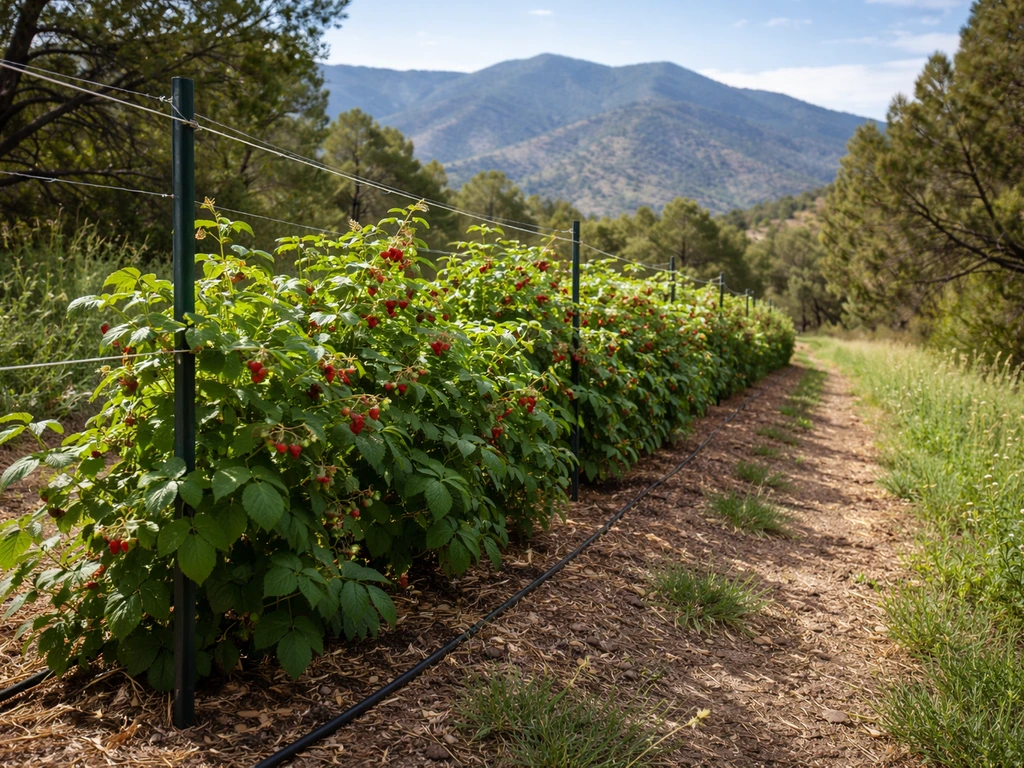
If you're gardening around Santa Fe, Taos, Espanola, or anywhere above roughly 6,500 feet, you have the best range of options in the state. Everbearing raspberries thrive here, NMSU's research consistently shows they're the most successful raspberry type for New Mexico conditions, and the cooler nights in higher elevations help produce good flavor and firm fruit. For Kansas gardeners, the best berries to grow will depend on how cold your winters get and whether you can provide consistent irrigation best berries to grow in Kansas. Gooseberries performed well in trials at Alcalde (northern NM), with 'Hinomaki' and 'Invicta' standing out as strong varieties. Strawberries also do well at these elevations: Alcalde trial results highlighted 'Mesabi', 'Kent', and 'Cavendish' as better performers than other cultivars tested. blank" rel="noopener noreferrer">Currants and gooseberries genuinely like it cool and moist, so they're naturally at home here in a way they simply aren't further south.
Central NM (Albuquerque, middle Rio Grande valley): pick carefully
The Albuquerque area sits around Zone 7, which means warmer summers and milder winters than the north. Raspberries can work here with afternoon shade and consistent irrigation, but they'll struggle during peak July heat. Erect and semi-erect blackberries are often more reliable than raspberries at this elevation because they're more heat-tolerant once established. Strawberries are possible in the cooler parts of spring, and you can get a good spring harvest before the heat shuts them down. Real-world Albuquerque growers often use partial shade (east-facing or dappled afternoon shade) to extend the productive window for brambles. Blueberries in the ground here are essentially not viable without massive soil intervention, containers are the only practical route.
Southern NM (Las Cruces, Roswell, Carlsbad): stay with the heat-adapted picks
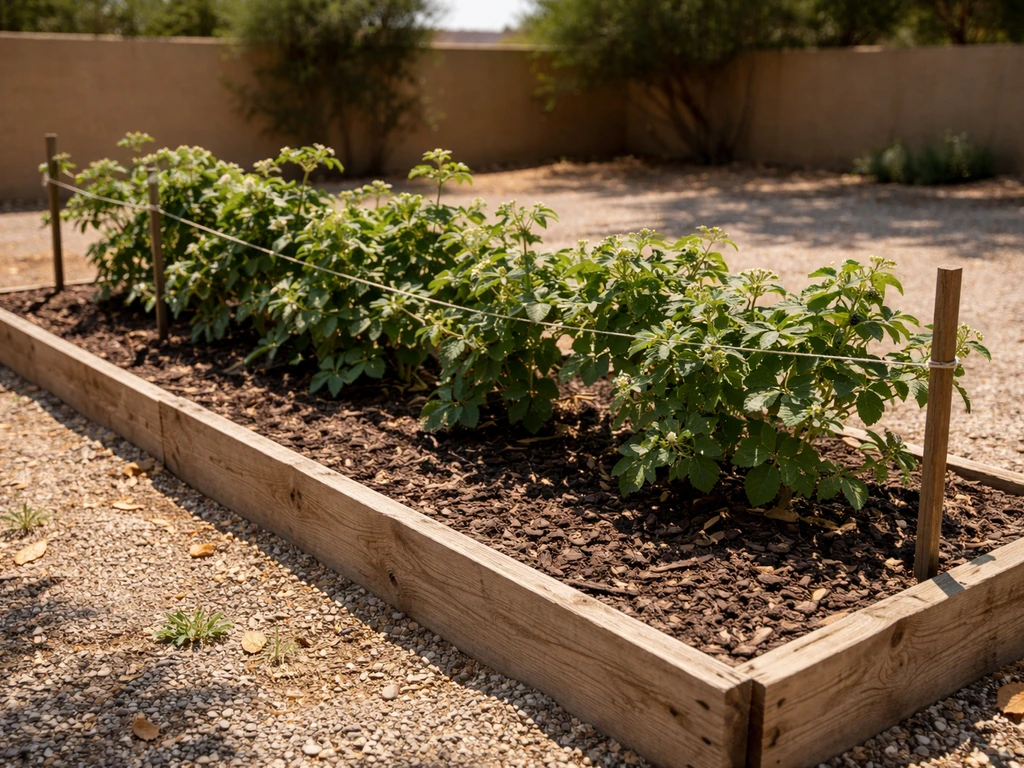
Down south in Zone 8, your berry list narrows but boysenberries move to the top. NMSU specifically identifies boysenberries as the best-performing bramble for southern New Mexico, and that recommendation is worth following. They tolerate the heat better than standard blackberries and much better than raspberries. Strawberries can work in southern NM but essentially need to be treated as a cool-season crop, plant in fall, harvest in early spring, and be done by late April before the heat arrives. Raspberries are a real challenge here; if you want to try, everbearing types in a shaded east-side location with drip irrigation give you the best shot.
Dryland vs. irrigated sites
Berries are not dryland crops. Even the most drought-tolerant options on this list, boysenberries, erect blackberries, still need regular water to produce fruit. If you're on a site without reliable irrigation infrastructure, your most practical options are elderberries or sea buckthorn, which NMSU identifies as 'minor' fruit crops for NM gardens. These native or naturalized species can handle drier conditions better than any bramble or strawberry. For anyone with drip irrigation or access to well water, the full list above opens up.
Soil, site selection, and water
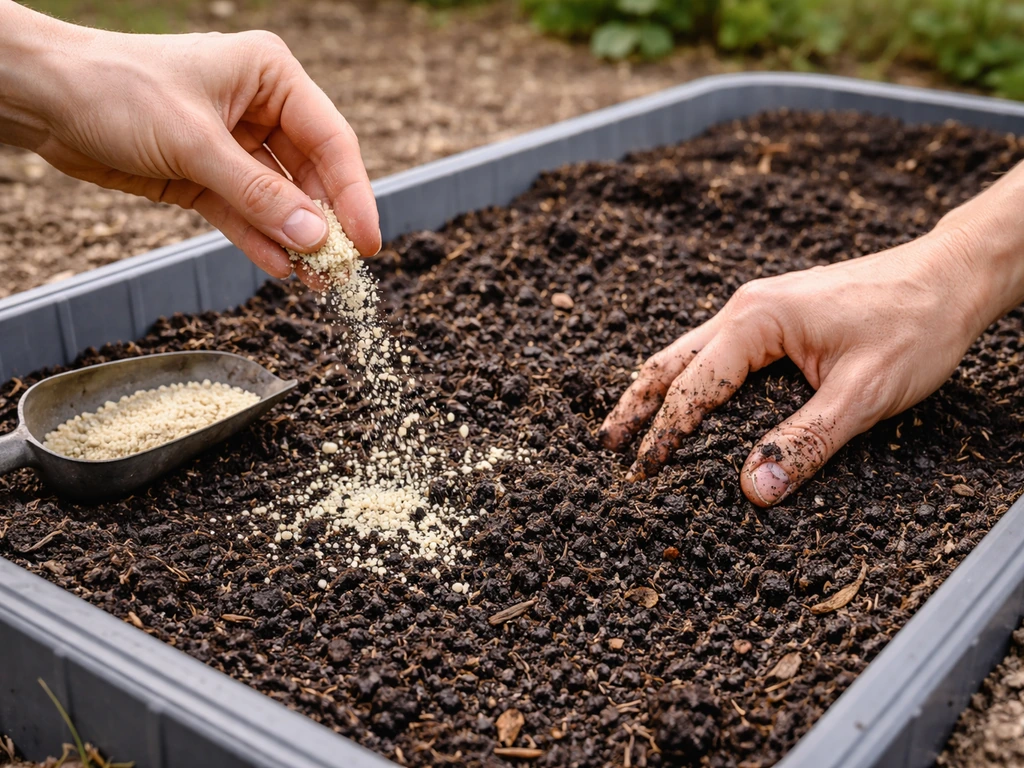
Most berries are more forgiving about soil than blueberries, but they still have preferences. Brambles (raspberries, blackberries, boysenberries) do best in slightly acidic to neutral, well-drained loam. New Mexico soils tend to be alkaline, rocky, and low in organic matter, so amending heavily with compost before planting is non-negotiable. Good drainage matters more than anything else, waterlogged roots kill berry plants faster than drought does. Strawberries want similar conditions: well-drained, moderately fertile soil with decent organic content.
Blueberries are in their own category. New Mexico's soils are naturally alkaline and calcareous, and NMSU is direct about it: growing blueberries in the ground here is nearly impossible without extreme intervention. In-ground blueberries need soil pH between 4.5 and 5.0 (Penn State guidance), and NM soils typically sit above 7.0. Even adding sulfur, which can take months to work, may not get you low enough. The only realistic approach in New Mexico is containers filled with blueberry-specific potting mix (peat-based, acidic), with careful irrigation management. If you do this, use drip or trickle irrigation, it delivers water to the root zone without wetting foliage and fruit, reducing disease risk.
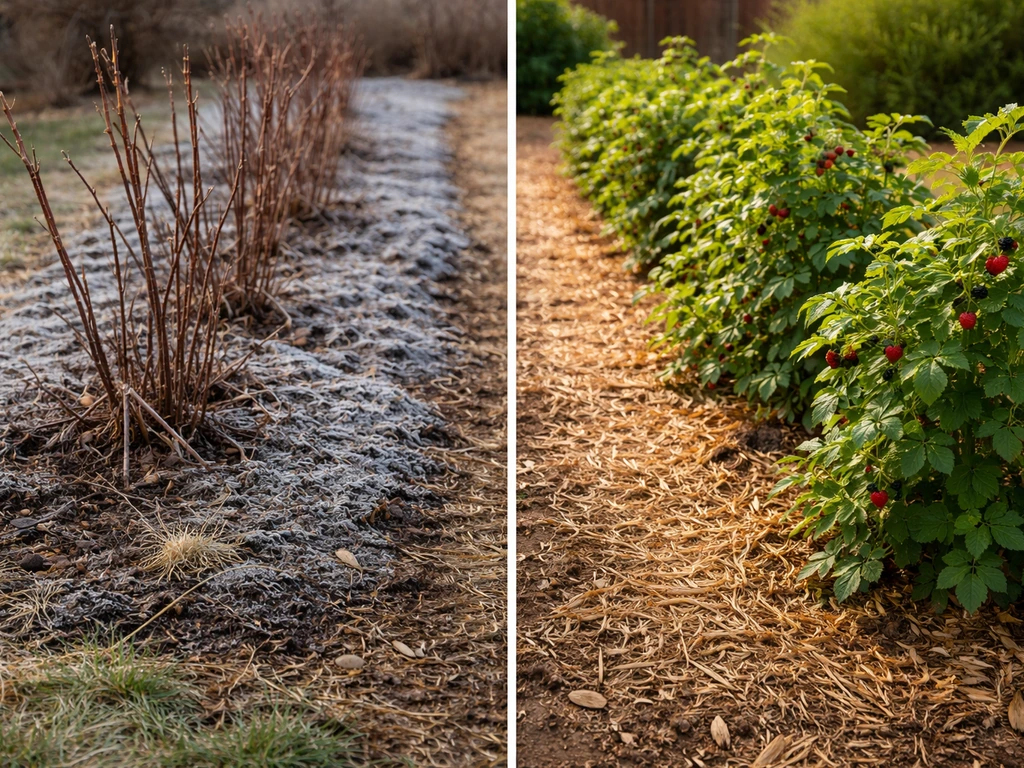
For site selection, prioritize full sun for maximum yield on all berries, but plan for afternoon shade at lower, hotter elevations. East-facing slopes or spots that catch morning sun but get dappled shade after 2 pm can make a meaningful difference in central and southern NM. Mulch heavily (3–4 inches of straw or wood chips) around all berry plantings to conserve moisture, moderate soil temperature, and suppress weeds. If you're planning your berry patch in Iowa, the best berries to grow are those that match your local winter hardiness and summer heat needs best berries to grow in iowa.
Planting, spacing, and container or raised bed options
In-ground planting and spacing
Plant raspberries and blackberries in early spring after the last frost has passed, for most of northern NM that's April, earlier in the south. For semi-erect blackberry cultivars, NMSU recommends in-row spacing of about 4 to 5 feet, with rows roughly 8 to 10 feet apart to allow equipment access and airflow. Raspberries in an everbearing/hill system can be spaced around 6 feet apart. Strawberries planted in a matted-row system should be spaced about 18 inches apart, with runners allowed to fill in. Day-neutral strawberry varieties produce fewer runners and should be planted closer together since they won't fill space the same way June-bearing types do.
Raised beds
Raised beds solve a lot of problems in New Mexico. You control the soil completely, you get better drainage, and you can acidify a contained volume of mix far more easily than trying to acidify a native soil planting area. For blueberries, a deep raised bed (at least 18 inches) filled with a peat and perlite mix gives you the acid environment they need. Strawberries love raised beds because drainage is excellent and soil warms quickly in spring. Brambles can work in raised beds too, though the plants get large enough that you'll want the bed to be at least 3 feet wide and you'll still need trellis support.
Containers
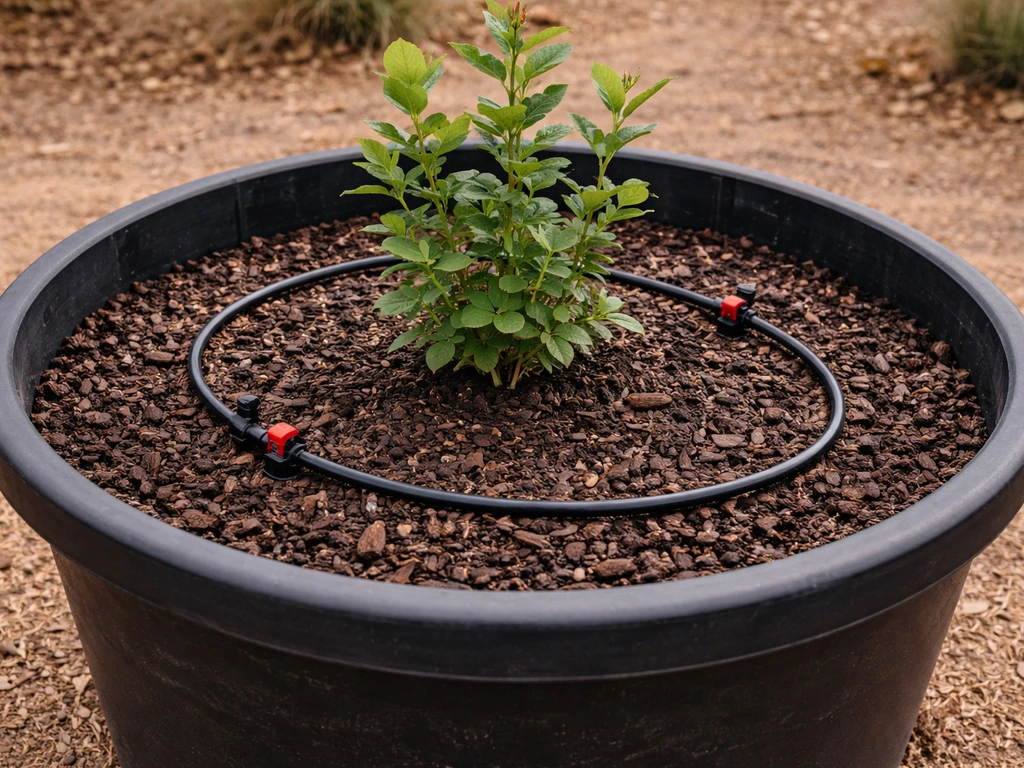
Containers are essentially mandatory for blueberries in NM, and they work well for strawberries too. For blueberries, use a minimum 15-gallon container per plant (bigger is better, 20 to 25 gallon gives roots more room). Fill with an acidic potting mix and fertilize with ammonium-form nitrogen rather than nitrate forms, which blueberries don't use efficiently. You'll need to water containers more frequently than in-ground plants, so drip emitters on a timer are worth setting up. Strawberries can thrive in hanging baskets, window boxes, or dedicated strawberry planters, the key is keeping them from drying out, which happens fast in NM's low humidity.
Growing habits, trellising, pollination, and pests
Bush vs. cane vs. vine: how these plants actually grow
Understanding how your berry plants grow saves you a lot of frustration at planting time. Raspberries and blackberries produce canes from the crown, new canes grow one year (primocanes) and bear fruit the next (floricanes), except in everbearing types where the primocane tips fruit in fall and the same cane fruits again lower down the following summer. NMSU’s H-325 also explains that primocane-fruiting blackberry cultivars can be managed to produce two crops in one year, with summer fruit on floricanes and fall fruit on primocanes blank" rel="noopener noreferrer">except in everbearing types where the primocane tips fruit in fall. Erect blackberries can stand without support if you top them to control height. Trailing blackberry types and boysenberries need a trellis, and a simple two-wire system (wires at about 3 and 5 feet) works well. Gooseberries and currants are true bushes, compact, self-supporting, and tidy. Strawberries are low spreading plants that send out runners.
Pruning raspberries the easy way
For everbearing raspberries managed for a single fall harvest (the simplest approach), NMSU's guidance is to cut all canes back to 2 to 4 inches from soil level during winter. No sorting through which canes fruited and which didn't, just cut everything back. This also resets any disease or pest buildup in old cane tissue. If you want a summer crop too, leave the canes that fruited on their tips last fall and they'll produce again on the lower portion early the following summer, then cut them out after that.
Pollination and yield expectations
Raspberries and blackberries are mostly self-fruitful, so you don't need multiple plants for pollination. Yields improve with multiple plants because you get better bee activity around a larger planting. Gooseberries and currants are also self-fruitful. Blueberries are where cross-pollination really matters: plant at least two different varieties for good fruit set, and keep them close enough that bees move between them regularly. Strawberries are also self-fruitful and wind-pollinated, but bee activity improves fruit size and fill.
Pests and diseases to know
New Mexico's dry climate reduces fungal disease pressure compared to humid states, but a few pests are worth watching for. Spider mites are a real issue on raspberries, especially during hot, dry stretches, look for stippled, bronzed leaves and fine webbing. Raspberry crown borer is a serious pest that causes canes to suddenly wilt and die; the larvae tunnel into crowns and roots. Strawberry clipper (a weevil) can clip flower buds before they open, hitting your yield hard. On blackberries, redberry mite causes fruit to stay red and fail to ripen properly, and late-maturing cultivars tend to suffer more damage from it. During monsoon season, watch for botrytis (gray mold) on ripening strawberries when humidity spikes, pick fruit promptly and remove any overripe berries.
Season-by-season care and harvest timing
| Season | Tasks | Harvest Timing |
|---|---|---|
| Late Winter / Early Spring (Feb–Apr) | Prune everbearing raspberries to soil level; apply compost; check and repair trellises; plant new bare-root brambles and strawberries after last frost | Nothing yet |
| Spring (Apr–Jun) | Irrigate consistently as temps rise; apply mulch 3–4 inches deep; weed regularly; watch for crown borer and spider mites; fertilize lightly with balanced fertilizer | Strawberries (May–Jun in north, Apr–May in south); June-bearing strawberries peak in northern NM |
| Early Summer (Jun–Jul) | Increase irrigation frequency as heat peaks; train new blackberry/boysenberry canes to trellis; remove old floricanes after fruiting | Early blackberries and boysenberries (June in south, July in central/north) |
| Monsoon Season (Jul–Sep) | Reduce irrigation as rains arrive; watch for gray mold on strawberries; pick fruit promptly; manage weed flush from moisture | Everbearing raspberries (fall crop Aug–Oct); main blackberry harvest continues through August |
| Fall (Sep–Nov) | Harvest fall raspberry crop; plant day-neutral strawberries in southern NM for winter/spring production; apply compost after harvest; note which plants need replacing | Everbearing raspberries peak Sept–Oct in northern NM |
| Winter (Nov–Feb) | Cut raspberry canes to soil level; mulch crowns of strawberries in northern NM; order bare-root stock for spring; plan soil amendments | Nothing to harvest; planning season |
One practical note on harvest timing: New Mexico's elevation variation creates big differences in when things ripen. Strawberries might be done in Las Cruces by April while they're just hitting their peak in Taos in June. Use these windows as a guide, not a hard schedule, and check plants every two to three days once fruit starts coloring up, berries in NM's dry air can go from perfect to dried-out faster than you'd expect.
If you've been researching berry growing in other parts of the Southwest and Plains, it's worth knowing that NM's situation is distinct. States like Kansas and Missouri deal with humidity and heavier rainfall that creates very different disease pressures, while Minnesota's extreme cold shapes what survives winter. If you are aiming for the best berries to grow in Minnesota, focus on cold-hardy varieties and site them for reliable winter survival Minnesota's extreme cold. New Mexico's challenge is almost the opposite: it's the dryness, the alkaline soil, and the heat intensity that limit your options more than winter cold. Work with those constraints rather than against them, pick varieties proven in your specific elevation range, get your irrigation dialed in, and you'll be harvesting more than you expected.
FAQ
What are the most reliable berries to grow in most of New Mexico for a first attempt?
Start with everbearing raspberries and erect blackberries, since they handle New Mexico’s temperature swings better than most berry types. If you also want a consistently productive option, add strawberries only if you can plant in fall and be ready for harvest before late spring heat. For any berry, make sure you have drip irrigation and a compost plan before you buy plants.
Can I grow berries without amending soil in New Mexico?
For anything except sea buckthorn and elderberry, skipping soil improvement usually leads to stunted plants or poor yields. Brambles and strawberries still need well-drained loam and more organic matter than native NM soils naturally provide, so plan to mix in compost at planting. The only common “no-amendment” approach is for native-style shrubs like elderberry, where the plant is matching the conditions instead of forcing the soil to change.
How much sun do berries actually need in New Mexico, and will afternoon shade help?
Most berries perform best with full sun, but afternoon shade can be the difference between steady production and heat-stalled plants in central and southern areas. A practical rule is to aim for morning sun with dappled or partial shade after about 2 pm, especially at lower elevations. If you only have west exposure, prioritize shade cloth during peak summer or expect lower yields.
Is it true that blueberries are impossible in New Mexico?
They are extremely difficult in-ground because NM soils are too alkaline for the root pH blueberries need. However, blueberries can be successful in containers if you use blueberry-specific acidic potting mix, drip irrigation, and frequent monitoring of moisture. One mistake to avoid is using ordinary potting soil, which typically drifts pH upward over time.
What’s the biggest irrigation mistake when growing berries in New Mexico?
Using “calendar watering” instead of watching soil moisture and adjusting for monsoon timing. New Mexico needs consistent irrigation from dry spring into early summer, then you should dial back once monsoon storms actually arrive to reduce wet foliage problems. Also avoid letting strawberry planters dry out between watering, NM’s low humidity can cause quick wilting and yield loss.
Do I need multiple berry plants for pollination in New Mexico?
Many berries are self-fruitful, but more plants usually improves yield because it boosts bee activity. The exception is blueberries, where you should plant at least two different varieties close together for better fruit set. Even for self-fruitful berries, dense monoculture can reduce pollinator movement, especially if the patch is small or surrounded by bare ground.
How should I space berries if I’m using raised beds instead of the ground?
Raised beds often lead to more aggressive growth, so spacing your plants too tightly becomes a maintenance problem fast. As a baseline, keep the same spacing you would use in-ground for your variety type, then widen further if you expect trellis-free growth. For brambles in beds, plan on a bed width that can support airflow and trellising, since disease risk increases when canes stay crowded.
What pest issue is most common for each berry type in NM?
Raspberries often attract spider mites during hot dry stretches, while raspberry crown borer can cause sudden cane wilting and death. Strawberries are commonly hit by strawberry clipper that removes flower buds early. Blackberries can face redberry mite that prevents proper ripening, and monsoon humidity increases botrytis risk on ripening strawberries, so prompt picking matters.
How do I prune raspberries in New Mexico if I want a single fall harvest?
Cut all canes back to just above soil level during winter, so you do not have to sort primocanes versus floricanes. This approach simplifies harvest and also resets disease and pest buildup in old cane tissue. If you see any canes that look diseased or damaged, remove them before cutting everything back to keep issues from spreading.
When should I expect berries to ripen in different parts of the state?
Elevation can shift ripening by weeks, even within the same month. As a practical planning approach, check fruit every two to three days once berries start coloring, because dry air can cause fast drying or shriveling. If you’re scheduling family harvests, build in extra visits during the earliest ripening week in lower elevation areas.
What are my best options if I cannot install irrigation?
If you have no reliable water source, classic brambles and strawberries will usually underperform because berry production needs consistent moisture. In New Mexico, elderberry and sea buckthorn are the closest “minor” fruit choices that handle drier conditions better. The tradeoff is that fruit style and harvest timing differ from raspberries and strawberries, so expect a different eating and processing experience.
Can I grow berries in containers besides blueberries?
Yes, strawberries commonly do well in hanging baskets, window boxes, and dedicated planters, as long as you prevent drying out. Container-grown berries generally need more frequent watering than in-ground plants, so set up drip or a consistent manual routine. For container strawberries, use a well-draining potting mix and consider adding mulch on top to slow evaporation.