
Buffalo berries grow naturally across a wide swath of North America, from the Canadian boreal forests down through the Rocky Mountain foothills and across the Great Plains, thriving in cold, dry, and often alkaline conditions where most fruiting shrubs struggle. If you're in USDA zones 2 through 6, there's a good chance buffalo berry will do just fine in your yard, especially if your soil is lean and your summers don't get brutally humid. Palmetto berries grow in warm coastal and subtropical regions, not in the colder climates where buffalo berries are common where do palmetto berries grow.
Where Do Buffalo Berries Grow? Habitat and Growing Guide
Marcus Holloway
15 May 2026
What plant people actually mean by "buffalo berry"
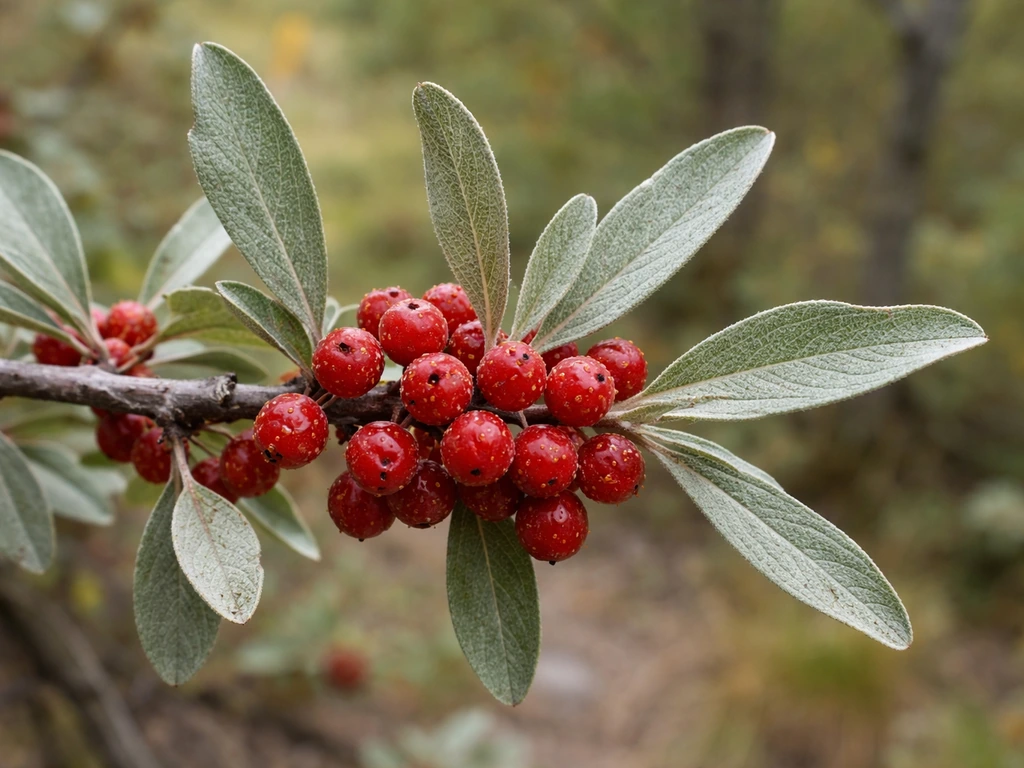
The name "buffalo berry" gets applied to a couple of plants, so it's worth pinning down exactly what you're likely dealing with. Most gardeners and foragers mean Shepherdia canadensis, commonly called Canada buffaloberry, russet buffaloberry, soopolallie, soapberry, or foamberry. It's a native North American shrub that produces small red berries with a famously bitter, almost soapy taste when eaten raw. A second species, Shepherdia argentea (silver buffaloberry), is closely related and sometimes shares the name.
Shepherdia argentea is the thornier, taller one with silvery foliage that's often grown in hedgerows across the Great Plains. Both are legitimate "buffalo berries," but Shepherdia canadensis is the one most commonly referenced in native plant and foraging contexts, and it's the focus of this guide.
Shepherdia canadensis is easy to recognize once you know what to look for. It's a deciduous shrub reaching about 1 to 3 meters (3 to 10 feet) tall, with opposite leaves that are ovate to lanceolate in shape and roughly 3 to 7 cm long.
The foliage has a distinctive speckled look: the upper surface is covered in silver scales, and the undersides carry both silver and rust-colored dots. The berries themselves are [bright red (occasionally yellow), about a third of an inch long, and look like tiny oval drupes](https://dendro. cnre. vt.
edu/dendrology/syllabus/factsheet. cfm? ID=692). Flowers appear early in spring before the leaves fully emerge, and the fruit ripens from mid to late summer.
One important detail: buffalo berry is dioecious, meaning you need both a male and a female plant to get fruit.
Where buffalo berry grows naturally
Shepherdia canadensis has one of the broadest native ranges of any North American fruiting shrub. Yew berries, like many native fruits, are typically tied to specific climates and soils, so learning the plant's preferred habitat helps you choose the right growing location broadest native ranges. In Canada, it's found from British Columbia and the Yukon all the way east through Alberta, Saskatchewan, Manitoba, Ontario, Quebec, and into the Maritime provinces.
It's genuinely boreal in character, comfortable in some of the coldest inhabited regions on the continent. In the United States, its native range extends south through the Rocky Mountain states, including Montana, Wyoming, Colorado, Idaho, and parts of Oregon and Washington. It also appears in the upper Midwest and into the Great Lakes region. Isolated populations exist in parts of New England, including Maine, where it's considered a rare native.
The common thread across all of these locations is cold winters, relatively low rainfall, and open or semi-open landscapes. This is not a plant of warm, humid, subtropical regions. It's fundamentally a cold-climate shrub, and the gardeners who struggle most with it are usually trying to grow it somewhere too warm or too wet.
What kind of habitat it actually lives in
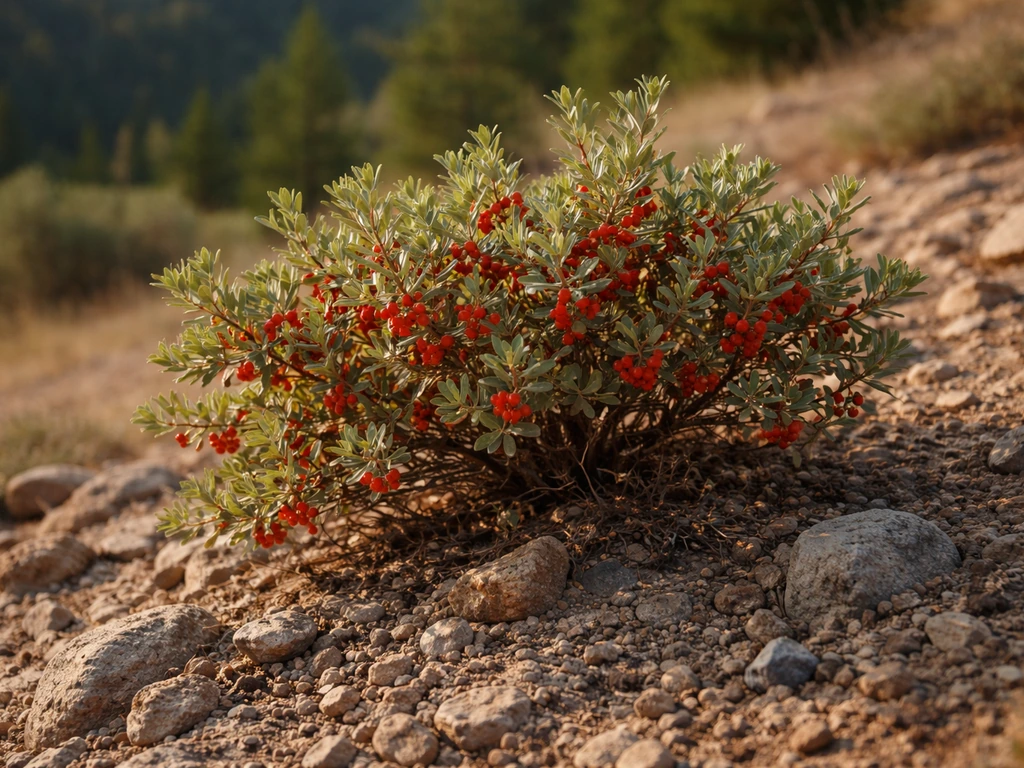
In the wild, buffalo berry occupies a surprisingly wide variety of habitats, but a few themes keep showing up. It tends to appear on open slopes, rocky hillsides, forest edges, streambanks, and the edges of open woodland. It's often found in disturbed or transitional areas rather than deep inside closed-canopy forests. You'll see it growing on gravel bars along rivers, along highway cuts in mountain terrain, and on exposed ridgelines where the soil is thin and dry.
Soil-wise, it strongly prefers well-drained, often rocky or sandy soils. It handles poor, alkaline, and nitrogen-poor conditions better than most shrubs, which makes sense because Shepherdia canadensis fixes nitrogen through root symbiosis with Frankia bacteria, similar to how legumes work. It does not want to sit in soggy soil or boggy conditions. That separates it clearly from moisture-loving native berries like partridge berries or winterberry, which prefer wet or wetland-adjacent habitats. Partridge berries, for example, prefer wetter or wetland-adjacent habitats than buffalo berry does. Buffalo berry is firmly in the dry-to-moderate moisture camp.
Light requirements are strongly on the sunny side. Buffalo berry grows best in full sun to partial shade, and in the wild it typically occupies spots where it gets at least six hours of direct sunlight daily. Shaded out plants produce little fruit and tend to get leggy. If you're planting it under or near large trees, you're setting yourself up for disappointment.
| Condition | Buffalo Berry Preference | Notes |
|---|---|---|
| Soil type | Sandy, rocky, or loamy; well-drained | Tolerates poor and alkaline soils well |
| Moisture | Dry to moderate | Does not tolerate waterlogged or boggy conditions |
| Sun | Full sun to part shade | Needs at least 6 hours for good fruiting |
| Soil pH | Neutral to alkaline (6.5–8.0) | Adapted to prairie and mountain alkaline soils |
| Hardiness zones | USDA zones 2–6 | Thrives in cold climates; struggles in zone 7+ |
How to tell if it'll actually thrive where you live
Start with your USDA hardiness zone. Buffalo berry is reliably cold-hardy from zones 2 through 6. If you're in zones 7 and above, the plant may survive but it often underperforms, producing sparse fruit and showing heat stress during humid summers. The Rocky Mountain West, the northern Great Plains, the upper Midwest, and most of Canada are natural fits. The Pacific Northwest (especially western Oregon and Washington) can work if you're on the drier east side of the Cascades. The humid Southeast, Gulf Coast, and most of California are poor matches.
Beyond zone, think about your summer humidity. Buffalo berry evolved in a continental climate where summers are warm but dry. It's one of those plants that really dislikes the combination of heat and humidity, which promotes fungal disease on the foliage. If your summers feel more like a steam bath than a dry heat, that's a red flag. A gardener in Denver or Billings will have a far easier time with buffalo berry than someone in Nashville or St. Louis, even if both are technically in a compatible zone.
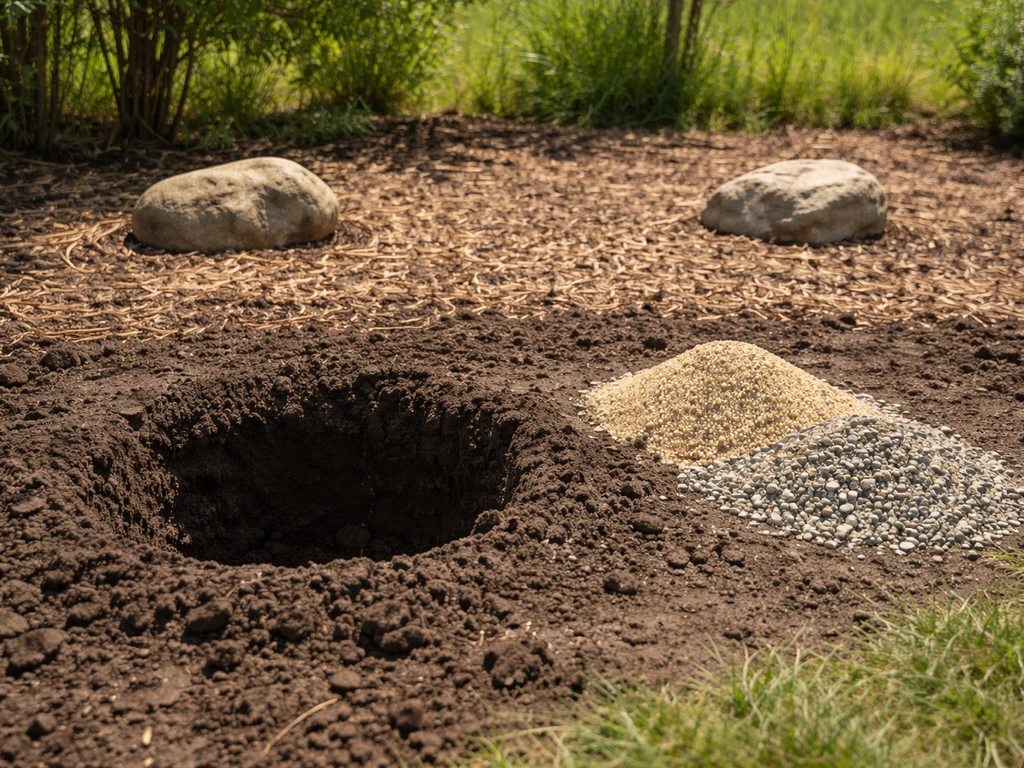
Also check your soil drainage. Do a simple test: dig a hole about 12 inches deep, fill it with water, and see how long it takes to drain. If water is still sitting there after an hour, your drainage is too poor for buffalo berry without significant amendment. On the flip side, if you've got fast-draining sandy or rocky soil and a cold, dry climate, you're probably in ideal territory.
Where to find plants and seeds
Buffalo berry isn't something you'll find at the average big-box garden center, but it's becoming more available as interest in native plants grows. Your best starting points are native plant nurseries, especially those that specialize in Great Plains, Rocky Mountain, or northern species. Many state and provincial native plant societies maintain lists of regional nurseries that carry Shepherdia canadensis, and those lists are updated regularly and worth checking. Soil and Water Conservation Districts in western states sometimes offer native plant sales in spring that include buffalo berry.
For seeds, specialty seed suppliers focusing on native prairie and mountain plants often carry Shepherdia canadensis. Seeds need cold stratification to germinate, so if you're ordering seeds, plan for a period of cold-moist treatment (typically 60 to 90 days in a refrigerator in damp sand or peat) before spring planting. If you're in the plant's native range, check local foraging rules and regulations before harvesting seeds from wild plants. Some public lands allow limited seed collection for personal use, but it varies by location.
When buying plants, look for container-grown shrubs that are labeled clearly as Shepherdia canadensis (not just "buffaloberry" without a species name, which could mean Shepherdia argentea). Since the plant is dioecious, ask the nursery whether they sell sexed plants or mixed sets. You need at least one male for every few females to get reliable fruiting. Some nurseries sell pre-sexed pairs specifically for fruiting purposes, and that's the easiest option if you can find it.
Setting up buffalo berry in your garden
In-ground planting
Choose a site with full sun and good drainage. If your soil is heavy clay, work in coarse sand and fine gravel to improve drainage before planting, or build a raised berm. Buffalo berry actually prefers lean soil, so resist the urge to load the planting hole with compost or fertilizer. Too much nitrogen encourages leafy growth at the expense of fruiting, and since the plant fixes its own nitrogen, it doesn't need a lot of added help. A neutral to slightly alkaline pH in the range of 6.5 to 8.0 is ideal. If your soil is acidic, a light application of garden lime will help.
Space plants about 6 to 10 feet apart. Buffalo berry can spread by suckers over time, forming thickets if left unmanaged, which is actually a useful trait for erosion control or windbreaks. If you want a more contained shrub, plan to remove suckers periodically. Plant male and female plants within about 100 feet of each other for reliable pollination, though closer is better. One male plant can reliably pollinate several females.
Container growing
Buffalo berry can be grown in containers, but it's not the easiest shrub to manage that way long-term. You'll need a large pot, at least 15 to 20 gallons, with excellent drainage holes. Use a gritty, well-drained mix: think native soil or potting mix cut with 30 to 40 percent coarse perlite or horticultural grit. Water consistently but let the top inch or two dry out between waterings. The bigger challenge in containers is replicating the winter cold the plant needs for dormancy and fruiting. If you're in a zone-appropriate climate, leaving the container outdoors through winter is the right move. In borderline climates, containers give you some flexibility to protect the plant during the most extreme cold snaps.
When things go wrong: habitat mismatch problems and fixes
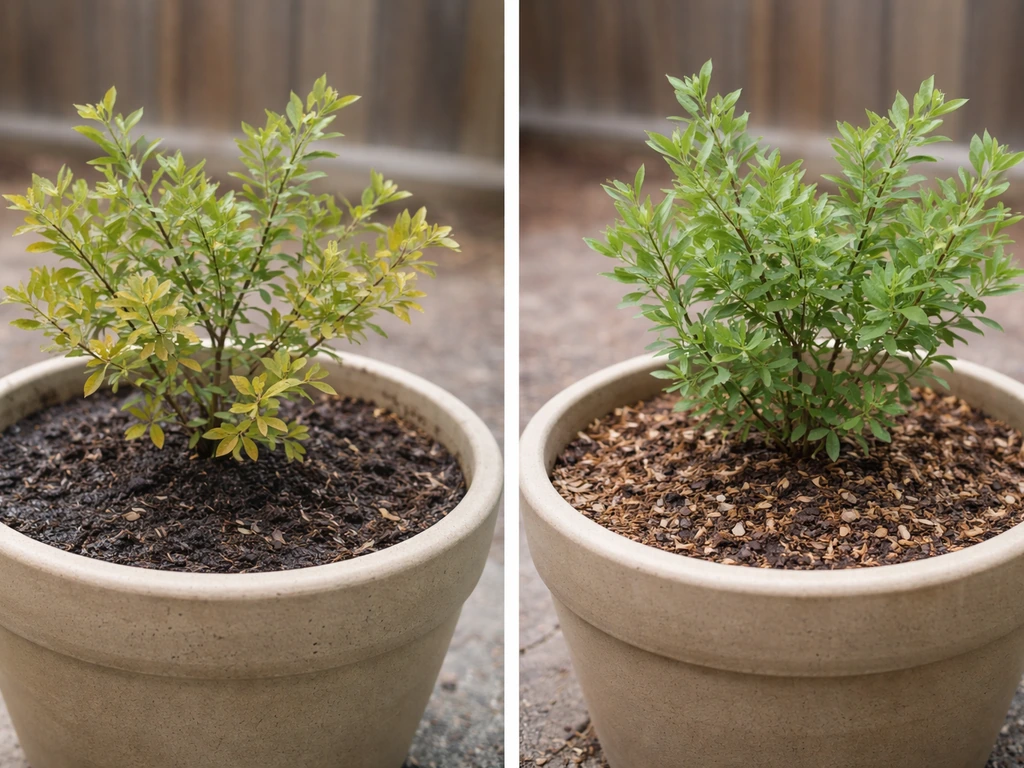
Most buffalo berry problems trace back to a mismatch between what the plant needs and what the site provides. Here are the most common issues and what's usually driving them.
- No fruit production: The most common cause is having only one plant, or having plants of the same sex. Confirm you have both a male and a female, and that they're close enough together for pollinators to move between them. A plant that's been in the ground for less than three years may also just not be mature enough to fruit heavily yet.
- Yellowing leaves and poor growth: This usually signals waterlogged soil or a site that stays wet too long after rain. Improve drainage or relocate the plant to a better-drained spot. It can also indicate soil that's too acidic for the plant to take up nutrients properly.
- Leggy, sparse growth with little fruiting: Almost always a light problem. The plant isn't getting enough sun. Six hours of direct sun is the minimum; more is better. Pruning nearby vegetation to open up the canopy can help, or moving the plant is the more reliable fix.
- Leaf spotting, mold, or fungal issues: This is the classic signal that your climate is too humid for buffalo berry. There's no easy cultural fix if your regional humidity is the problem. Make sure air circulation around the plant is good, avoid overhead watering, and look into whether a drier microclimate on your property (like a south-facing slope with good airflow) might help.
- Plant dies over winter in a mild climate: Counterintuitively, buffalo berry can struggle in climates that don't get cold enough. It needs a proper dormancy period. If you're in zone 7 or warmer, this plant is likely not a good fit, and you'd be better served by a species adapted to milder winters.
If you're finding that buffalo berry is a poor fit for your area, it's worth looking at other native fruiting shrubs that might scratch the same itch. If you are wondering about other brambles, see where do tayberries grow as a related option for what thrives in similar climates other native fruiting shrubs. Thimbleberries, for example, are another underappreciated native that does well in some of the same mountain and forest-edge habitats.
If you're comparing berries in similar regions, you might also look into where do thimbleberries grow as an adjacent option. And if you're in a wetter or more eastern climate, winterberry might be a better native alternative to explore. If you need a comparison to other native berry options, winterberry might be a better native alternative to explore.
Winterberry grows best in cooler regions and along wetter areas, so it's helpful to check where does winterberry grow before you decide on it. Buffalo berry is a rewarding plant in the right climate, but it really does want to grow where the soil is thin, the winters are cold, and the sun is generous.
FAQ
How can I tell whether I’m buying Canada buffaloberry or silver buffaloberry?
Most people should assume Shepherdia canadensis (Canada buffaloberry) when they say “buffalo berry,” but nurseries sometimes sell Shepherdia argentea under similar common names. Before buying, confirm the exact species label (and if possible, the berry color and leaf description), because the two species differ in plant habit and how readily they fit certain hedgerow or landscape goals.
Can buffalo berry be grown in a container, and what’s the biggest container mistake?
In containers, the key risk is not just root drainage, it is avoiding a warm, damp winter that breaks dormancy. Keep the pot outdoors through winter in zone-appropriate areas, and if you must protect during extreme cold, do it briefly and avoid creating a consistently warm shelter.
Why won’t my buffalo berry produce fruit even if it flowers?
If you do not get berries, the most common cause is dioecy and lack of a male plant nearby. The second most common cause is insufficient sun, leggy growth, and stress from humid summers, which can delay or reduce flowering even when pollination is possible.
If I’m just outside USDA zone 2 to 6, is buffalo berry still worth planting?
You can still grow it outside its core zone range, but success depends on your humidity and drainage more than just winter temperature. In zone 7 and up, you may get survival with sparse fruit, especially if summers are humid, so choose the driest, sunniest microclimate you have and prioritize airflow.
What spacing works best to ensure pollination in a backyard planting?
Buffalo berry is dioecious, so pollination relies on having both sexes close enough. A practical rule is to place a male within about 100 feet of females, and if you want reliable fruit year after year, plan for more than one female per male rather than only one of each.
Should I fertilize buffalo berry, and what should I avoid?
Do not treat buffalo berry like a typical berry shrub that needs rich fertilizer. Since it fixes nitrogen, heavy compost or high-nitrogen fertilizer can push leafy growth and reduce fruiting, so amendments should be limited to drainage corrections and a light lime application only if your soil is too acidic.
What should I do if my soil takes more than an hour to drain after a deep watering?
If your soil drains slowly, buffalo berry may develop decline even if it looks healthy at first. Correct by improving drainage (coarse sand or fine gravel incorporated, or a raised berm) rather than trying to “balance it out” with extra watering or fertilizer.
When should I expect flowers and then ripening berries?
Male and female timing is often confusing because flowers appear early. The plant generally flowers in early spring and the fruit ripens later in the warm season, so check readiness by observing the first fruit set, not by assuming early flowers guarantee harvest.
Are buffalo berries safe to forage, and how should I avoid misidentification?
For foraging, avoid harvesting in places where rules restrict collection, and prioritize mature, intact fruit. Since the berries are notably bitter and can be easily mistaken for other “buffaloberry” plants, verify the species before tasting or collecting in quantity.
Will buffalo berry spread, and how do I keep it from taking over?
Buffalo berry can spread by suckers and form thickets, which is useful for erosion control but can become invasive-looking in small yards. If you want a single-stem or tidy shrub, plan to remove suckers regularly and consider a root barrier if you are planting near foundations or paths.