
Loganberries grow best in mild, temperate climates with cool summers, reliable moisture, and good shelter from harsh winds. They thrive in USDA Zones 5 through 9, and in practice they do exceptionally well in places like Oregon, Washington, and the British Isles, where cool, moist conditions match what the plant naturally wants. If you're in a hot, dry region or somewhere with brutal winters below -20°F (-28.8°C), you'll need to work harder to keep them happy, but it's still doable with the right setup.
Where Do Loganberries Grow? Best Regions and Conditions
Marcus Holloway
4 May 2026
Where loganberries actually came from
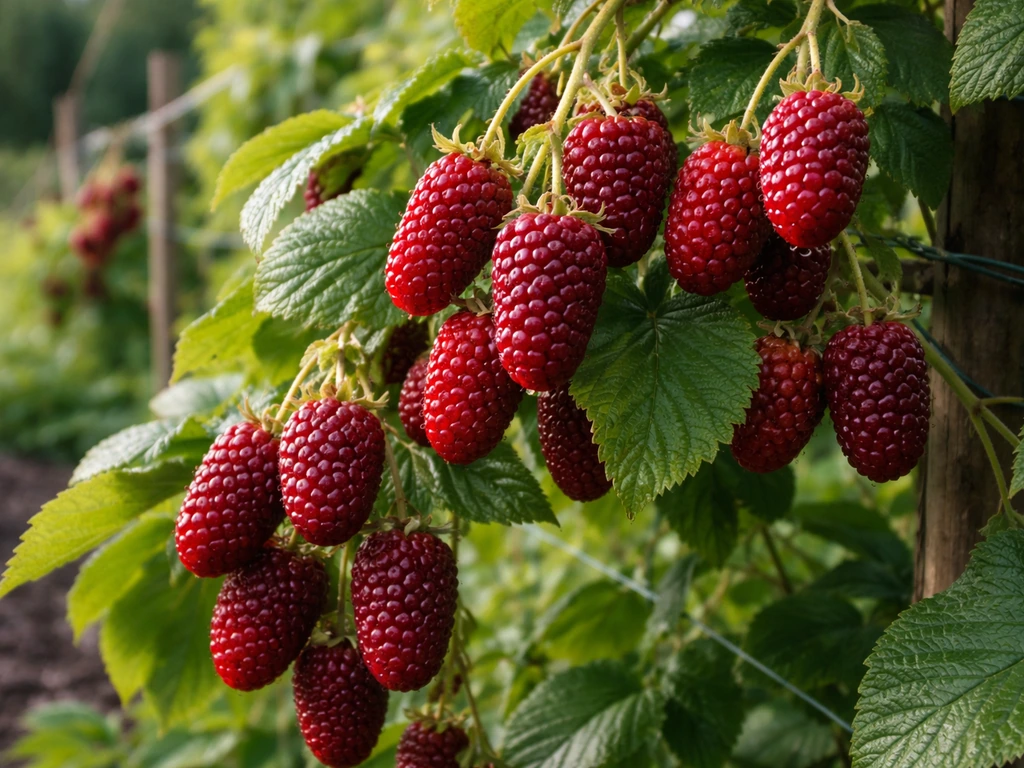
Loganberry (Rubus × loganobaccus) isn't a wild native plant with a natural range in the traditional sense. It was an accidental hybrid created in 1881 by a California judge named James Harvey Logan, who was experimenting with blackberries and raspberries in his garden. The result was this dark wine-red, tart berry that sits somewhere between the two parents in flavor and growing habit. Because it's a human-made hybrid rather than a wild species, there's no native forest or ecosystem where loganberries evolved. But its parent plants are native to temperate coastal regions, and that heritage tells you a lot about what growing conditions it prefers.
By the 1890s, loganberries had been introduced to Britain, where the mild, moist climate of the British Isles turned out to be almost perfectly suited to them. They became a popular crop there and, historically, in Oregon and Washington, where commercial processing operations handled them through the 1920s and 1930s. Those two regions, the Pacific Northwest of the US and the UK, remain the heartland of loganberry growing today, and they're a useful compass for judging whether your own climate is a good match.
Climate and hardiness zones that suit loganberries
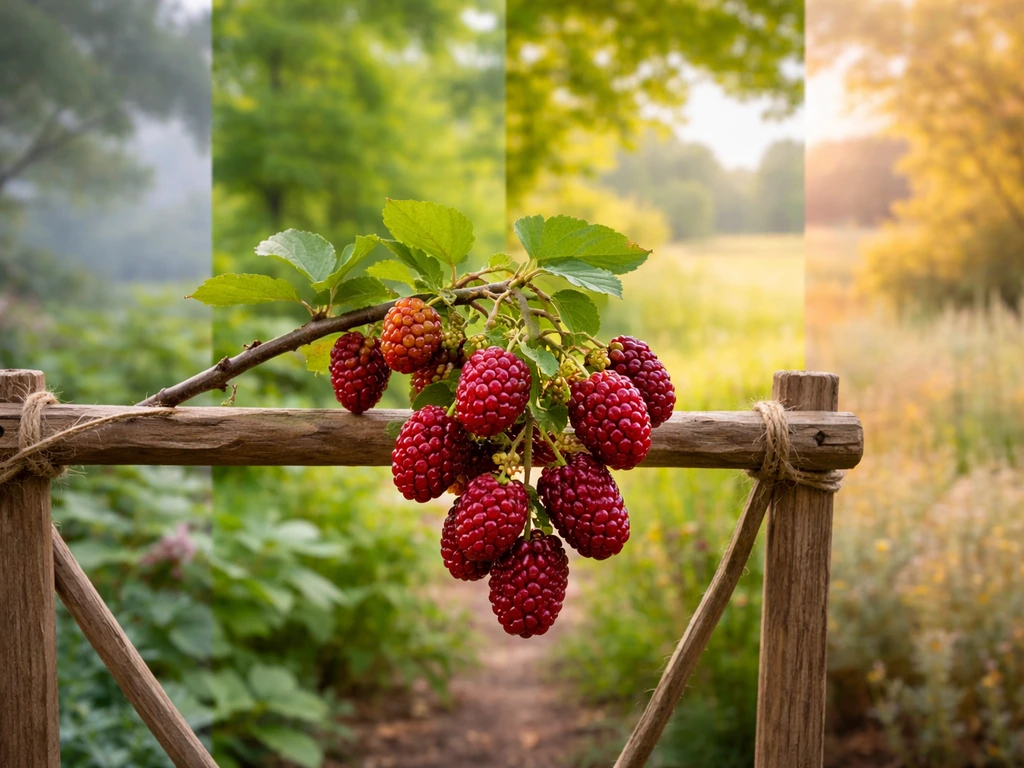
Loganberries are cold-hardy down to about -20°F (-28.8°C), which puts them in USDA Zone 5a as a minimum. The full comfortable range runs from Zone 5 through Zone 9. What that means in practice: they can handle a decent winter freeze without dying, but they're not built for extreme continental cold. They also don't love baking summers. The ideal is the kind of climate gardeners in western Oregon, western Washington, or southern England know well: winters cold enough to give the plant dormancy but not brutal, and summers that stay moderate rather than scorching.
In very hot climates (upper Zone 8 and Zone 9), loganberries can still fruit, but excessive heat and intense sun tend to reduce yields and affect berry quality. Some light afternoon shade and consistent irrigation help significantly in those conditions. Wind is another factor worth taking seriously. Loganberries are trained on wires or trellis systems, and canes that get battered by strong winds can suffer physical damage and winter injury in marginal zones. A sheltered spot, ideally against a fence or wall on the protected side, makes a real difference.
Soil, sun, and moisture: what loganberries actually need
Loganberries want fertile, moisture-retentive but well-drained soil. That combination is important: they like consistent moisture but absolutely cannot sit in waterlogged ground. Like all bramble fruits, soggy soil is one of the fastest ways to kill them. Aim for a soil pH of 6.0 to 6.5. If your soil is heavy clay that holds water too long or very sandy and drains too fast, you'll need to amend before planting.
For sun exposure, full sun gives you the best fruit size and sweetness. Partial shade is tolerated and sometimes useful in hotter climates where afternoon shade takes the edge off intense summer heat. In cooler climates like the UK or Pacific Northwest, a spot that gets most of the available sun is worth seeking out, as more light translates directly to better ripening. Berries ripen roughly from July through September depending on your location.
Where loganberries are commonly grown around the world
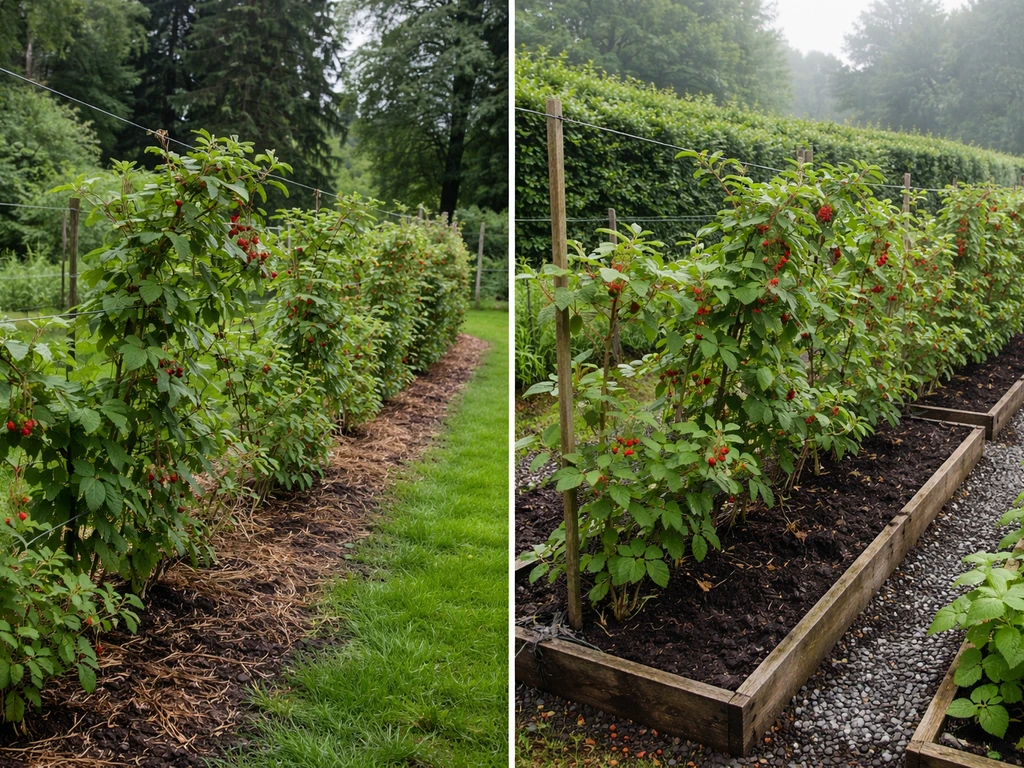
If you look at where loganberries are actually cultivated today, two regions stand out clearly: the Pacific Northwest of the United States and the United Kingdom. Where do rowan berries grow is different, but similar climate and moisture considerations usually guide successful growing where loganberries are actually cultivated today. In western Washington and Oregon, they're described by some nurseries as among the easiest fruits to grow, and the climate really does make it that simple. The mild winters, cool summers, and regular rainfall tick every box. Historically, Oregon had a significant commercial loganberry industry, and the fruit still ripens reliably there every summer.
In the UK, the mild maritime climate suits loganberries well. They grow throughout England, Wales, and milder parts of Scotland, and the relatively cool, damp summers mean the fruit rarely suffers from heat stress. New Zealand is another region where loganberries are grown commercially and in home gardens, particularly in areas with temperate, maritime-influenced climates. In drier parts of New Zealand, growers use irrigation and wind shelterbelts to compensate for heat and exposure.
Outside these core regions, loganberries can be grown successfully across much of the eastern United States (Zones 5 through 7), parts of Canada, and in cooler highland areas of Australia. The limiting factors are usually summer heat, winter extremes, or both.
Growing loganberries outside their comfort zone
If your climate isn't a natural fit, there are real strategies that work. I've seen gardeners in marginal zones get consistent crops by addressing the main threats: winter injury, summer heat, and wind exposure. Gray mold (Botrytis) spreads via wind and water and can survive on or in plant tissue and structures, so planning for good air circulation is important good air circulation patterns. Here's how to approach each one.
Protecting canes through cold winters (Zone 5 and 6)
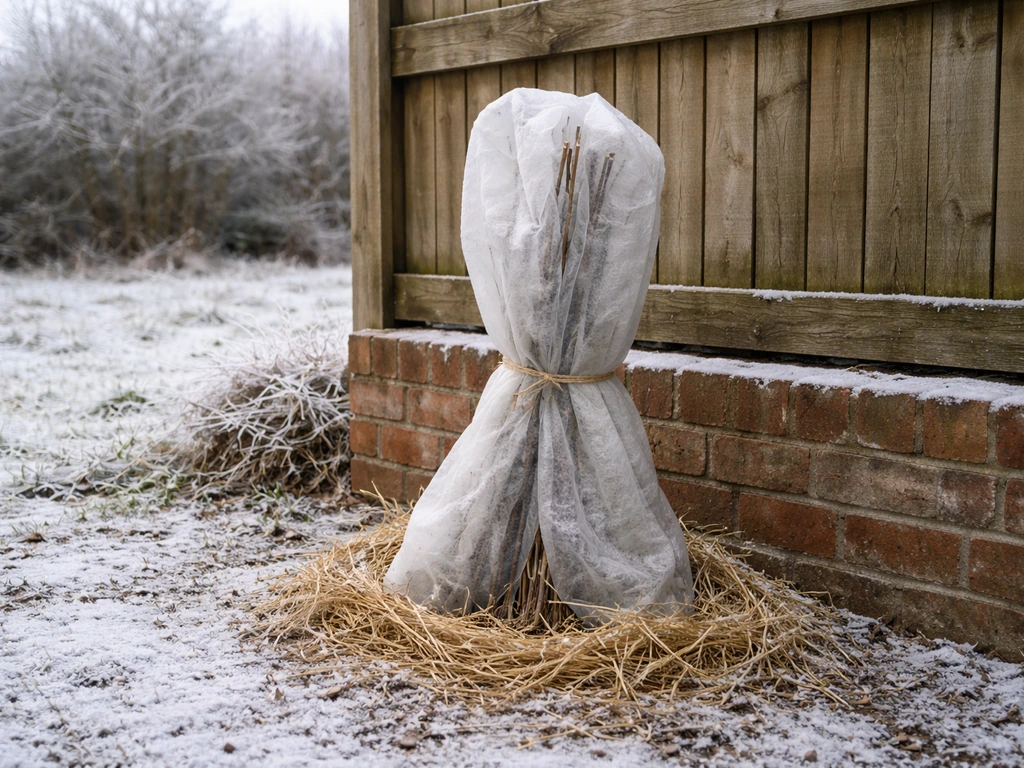
Loganberries are floricane-fruiting plants, meaning they produce fruit on canes that grew the previous year. Those overwintered canes are what you're protecting. In marginal cold zones, the most effective method is to untie the canes from their support after leaf fall in autumn, lay them flat on the ground, and cover them with a thick layer of mulch until spring. This insulates the canes from the worst freeze-thaw cycles and prevents wind desiccation. In spring, uncover and retie them to the trellis as temperatures warm up.
Training against a sheltered fence or wall also helps in colder zones. The thermal mass of a wall moderates temperature swings overnight and in early spring, reducing frost damage to emerging growth.
Managing heat in warmer climates (Zone 8 and 9)
In hotter climates, site selection matters more than anything else. A spot that gets morning sun and some protection from harsh afternoon sun is worth choosing over a fully exposed south-facing position. Consistent irrigation during dry spells prevents heat stress during fruit development. Wind shelter is also important in exposed sites because dry winds compound heat stress quickly. Mulching the root zone heavily keeps soil temperatures down and moisture levels consistent.
Fixing soil that doesn't match
If your soil is heavy clay, raise the planting area or create a mounded row to improve drainage. Working in compost before planting improves both drainage and fertility in one go. Sandy soil needs the opposite treatment: lots of organic matter to help it hold moisture. Test your soil pH and adjust to 6.0 to 6.5 with lime (to raise pH) or sulfur (to lower it) before planting, since getting pH right affects nutrient availability significantly.
Container and small-space growing
Loganberries can genuinely be grown in containers, which is useful if your garden soil is poor, you're in an awkward climate zone, or you just don't have a suitable permanent bed. The key requirement is size: you need a container of at least 50 liters. Anything smaller and the root system will be too restricted to support healthy cane growth and fruiting. Use a rich, loam-based potting mix and make sure the container drains freely.
Support is non-negotiable even in pots. Berries grow on canes that are trained to a trellis or wires, so good support and pruning help them fruit well. A sturdy obelisk or wall-mounted trellis works well. Container plants dry out faster than those in the ground, so consistent watering is essential, especially in the first growing season and during dry weather.
Container growing also gives you mobility: if you're in a cold zone, you can move the pot to a sheltered position or unheated garage during the worst of winter, which takes a lot of the stress out of overwintering. Compared to growing loganberries in open ground in marginal climates, a large container with a movable position can actually simplify the whole process.
What goes wrong when conditions aren't right
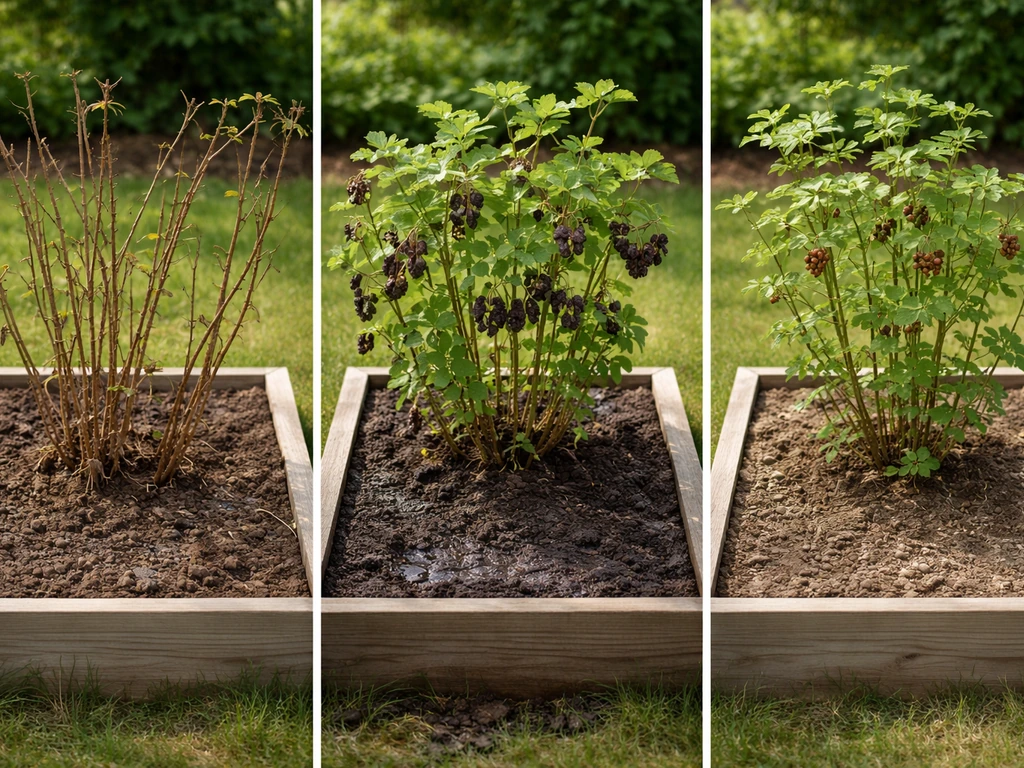
Most loganberry failures come down to a mismatch between the plant's needs and what the growing site actually provides. UConn Extension notes that Botrytis fruit rot or gray mold of brambles is caused by Botrytis cinerea, and recommends pruning or thinning canes for good air circulation while avoiding humid conditions [Most loganberry failures come down to a mismatch between the plant's needs and what the growing site actually provides. ](https://ipm. cahnr.
uconn. edu/botrytis-fruit-rot-or-gray-mold-of-brambles/). If you meant glow berries instead, tell me whether you are asking about the plant in a specific region or a game or fictional item, and I can help you pinpoint exactly what it grows on what do glow berries grow on. Here are the most common problems and what's usually causing them.
| Problem | Likely Cause | Fix |
|---|---|---|
| No fruit or very poor crop | Floricanes were killed by winter cold or canes were accidentally pruned out before fruiting | Protect canes over winter; remember fruit comes from second-year canes, not new growth |
| Yellowing leaves (interveinal chlorosis) | Iron deficiency, often linked to soil pH being too high or winter injury disrupting nutrient uptake | Test and adjust soil pH to 6.0–6.5; apply chelated iron if needed |
| Root rot or plant collapse | Waterlogged soil; brambles cannot tolerate soggy ground | Improve drainage before replanting; raise the bed or switch to a container |
| Small, poorly flavored berries | Insufficient sun or heat stress from excessive summer heat | Move to a sunnier spot; use irrigation in hot climates; check if afternoon shade is too heavy |
| Grey mould (fuzzy grey-brown decay on fruit) | Botrytis cinerea, encouraged by humid, still air and damp fruit | Improve air circulation by thinning canes; avoid overhead watering; harvest promptly |
| Weak, floppy canes with poor growth | Soil too poor or too dry; insufficient fertility | Incorporate compost; mulch generously; water regularly through the growing season |
One thing worth being clear about: if your climate sits outside Zone 5 to 9, or if you have heavy, poorly drained soil with no easy fix, loganberries are going to be a constant battle. In those situations, a marionberry (another Pacific Northwest hybrid with similar preferences but slightly easier management in some conditions) might be worth considering as an alternative. Marionberries share a lot of the same climate compatibility profile, so the same region-matching thinking applies.
Quick checklist before you plant
- Check your USDA hardiness zone: Zone 5 to 9 is the workable range, with Zone 6 to 8 being the sweet spot
- Assess your summers: cool to moderate is ideal; very hot summers (regularly above 90°F / 32°C) will need irrigation and some afternoon shade
- Test your soil pH and aim to get it to 6.0 to 6.5 before planting
- Make sure drainage is good: loganberries need consistent moisture but will rot in standing water
- Choose a sheltered spot with a fence, wall, or windbreak nearby for trellis support and wind protection
- If you're in Zone 5 or a harsh Zone 6, plan your overwintering strategy (laying canes flat under mulch) before the first autumn
- If open ground isn't suitable, a 50-liter container with a sturdy obelisk is a genuine and workable alternative
FAQ
Can I grow loganberries if I live outside USDA Zone 5 to 9?
Yes, but you need stronger protection planning. For cold winters, expect to insulate and protect the overwintering canes, not just cover the roots. For hot climates, plan for afternoon shade, reliable irrigation during fruit development, and wind shelter, because yield and berry quality usually decline when heat is extreme.
How much sun do loganberries really need for good fruiting?
Aim for the most sun your site can provide. Full sun generally gives the best berry size and sweetness, while partial shade is a tool mainly for reducing heat stress in warm areas. If you consistently get only weak light, fruiting can become smaller and ripening stretches later than expected.
What’s the best way to protect loganberry canes from winter damage?
In colder or windy spots, protect the canes themselves, since they fruit as floricanes (year-old canes). After leaf fall, untie and lay the canes flat, then cover with thick mulch. Remove and retie in spring when temperatures rise to avoid mold and rubbing damage.
Do loganberries need well-drained soil, or will heavy clay work if I water carefully?
Heavy clay is risky because the problem is usually standing water, not just watering frequency. If winter rainfall saturates your soil, the plant can fail even if you do not overwater in summer. Raise the bed or mound the row for drainage, and mix in compost to improve structure.
How do I manage loganberries in very hot Zone 8 to 9 areas?
Choose morning-sun locations and provide afternoon relief (shade cloth, nearby trees, or a fence/wall that blocks harsh sun). Keep irrigation consistent during fruit development, and use heavy mulch to moderate soil temperature. Also prioritize wind shelter, since dry winds intensify heat stress.
How do I avoid the most common container mistake when growing loganberries?
Do not undersize the container. Use at least 50 liters, because restricted roots reduce cane vigor and fruiting. Make sure the pot drains freely, and plan for more frequent watering than you would in the ground, especially after fruit set.
Why do my loganberries produce canes but few berries?
Most often it is mismatch in climate or poor cane protection. Because they fruit on last year’s canes, inadequate winter protection can remove the buds. The second common cause is too little sun during the ripening period or drying out during fruit development, especially in warm, windy sites.
What soil pH is best, and what if my soil test shows a different value?
Target pH 6.0 to 6.5 for best nutrient availability. If pH is too low, amend with lime, and if too high, amend with sulfur. Recheck after amendments because changes can take time, and adjusting right before planting can lead to uneven results.
When do loganberries usually ripen, and how can I tell they’re ready?
In many temperate areas, berries ripen roughly from July through September. Readiness is more reliable than calendar timing, look for dark wine-red color and full tart sweetness, and pick gently to avoid bruising, especially in dense trellis growth.