
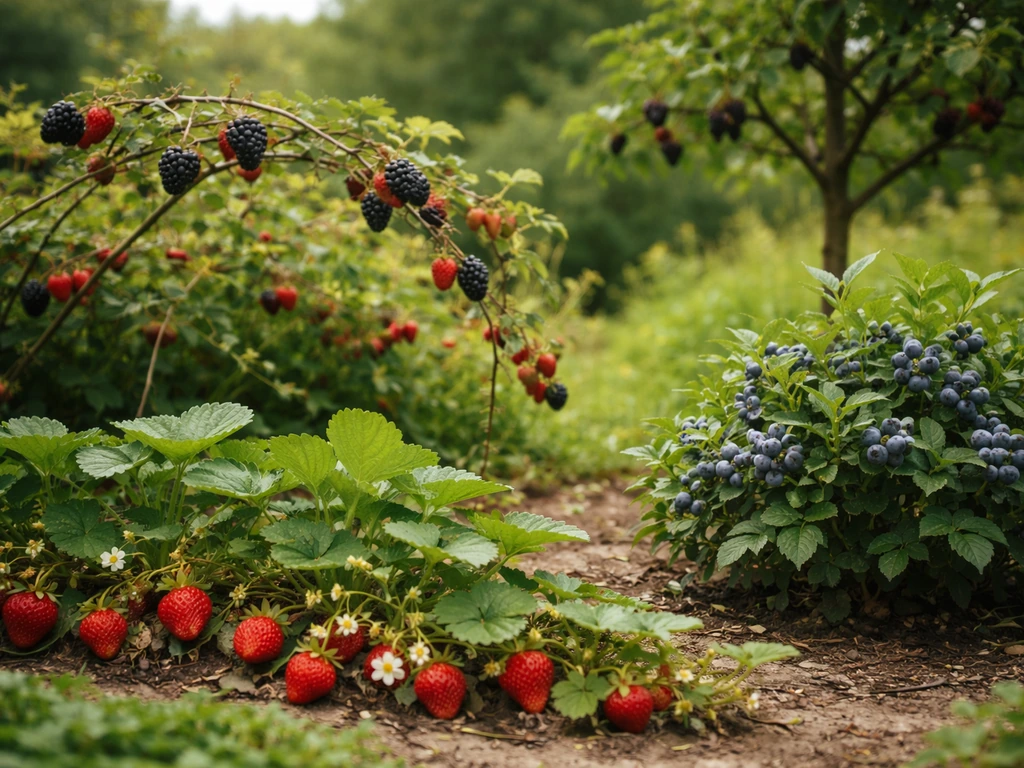
Berries grow on four main types of plants: bushes (like blueberries), upright canes (like raspberries and blackberries), low-growing crowns with runners (like strawberries), and trees (like mulberries). If you're trying to identify a specific berry like glow berries and what they grow on, start by matching the plant structure first what do glow berries grow on. Which one you're dealing with matters a lot, because the plant structure tells you almost everything you need to know about where to put it, what soil it needs, how to prune it, and whether you can grow it in a container or need a dedicated garden bed.
What Do Berries Grow On Vines Canes Shrubs and Trees
Marcus Holloway
2 May 2026
Berry types by plant structure
Once you know the growth habit of a berry, a lot of other decisions fall into place. Here's how the main categories break down.
Bushes and shrubs: blueberries and elderberries
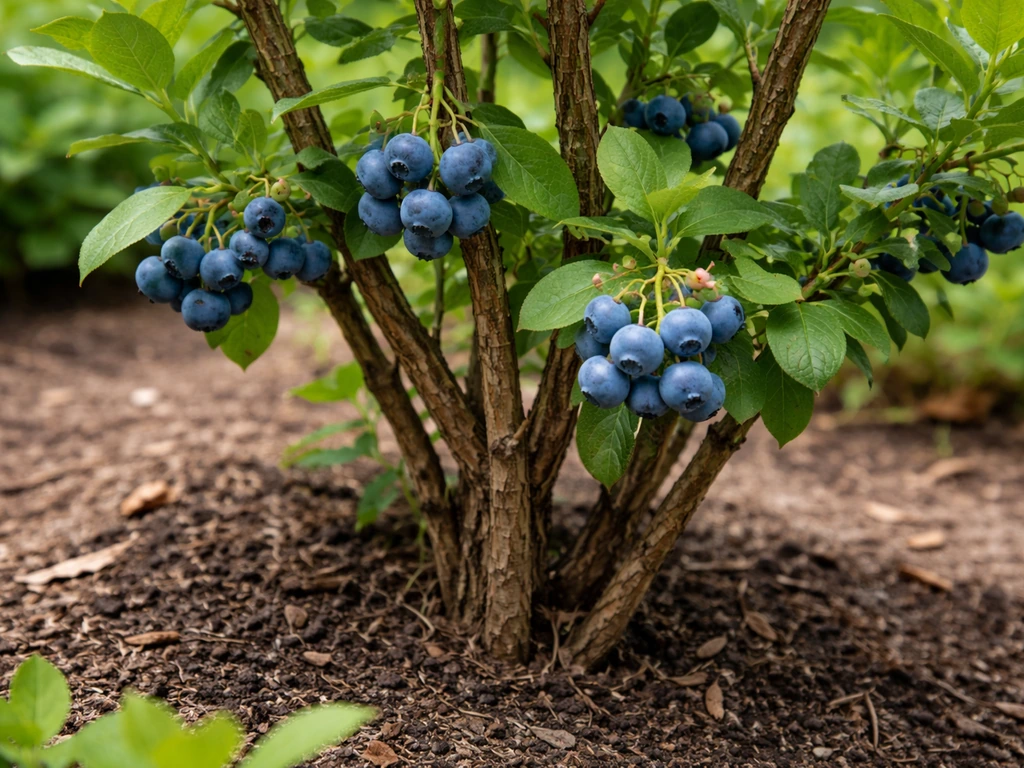
Blueberries are the classic example of a berry that grows on a shrub. The plant builds up a woody framework over several years, and the fruit forms on that established branch wood. There's no cane die-back cycle, no runners to manage. You're essentially tending a long-lived woody shrub, which is why blueberries reward patience and punish neglect. They can produce for decades if you get the soil right.
Canes and brambles: raspberries and blackberries
Raspberries and blackberries grow on canes, which are upright stems that shoot up from a root crown each year. The cane-fruiting system is either floricane-bearing (fruit on two-year-old canes) or primocane-bearing (fruit on first-year canes). Summer-bearing raspberries are floricane types, meaning last year's canes produce this year's fruit, then die. Autumn-bearing types fruit on the current season's growth. Blackberries work similarly, though primocane-fruiting blackberries produce at the tips of first-year canes in late summer and fall. This distinction matters for pruning and timing, but the main point is: the plant regenerates from the root zone every year. You're not growing a permanent shrub framework; you're managing a rotating crop of canes.
Crown and runner plants: strawberries
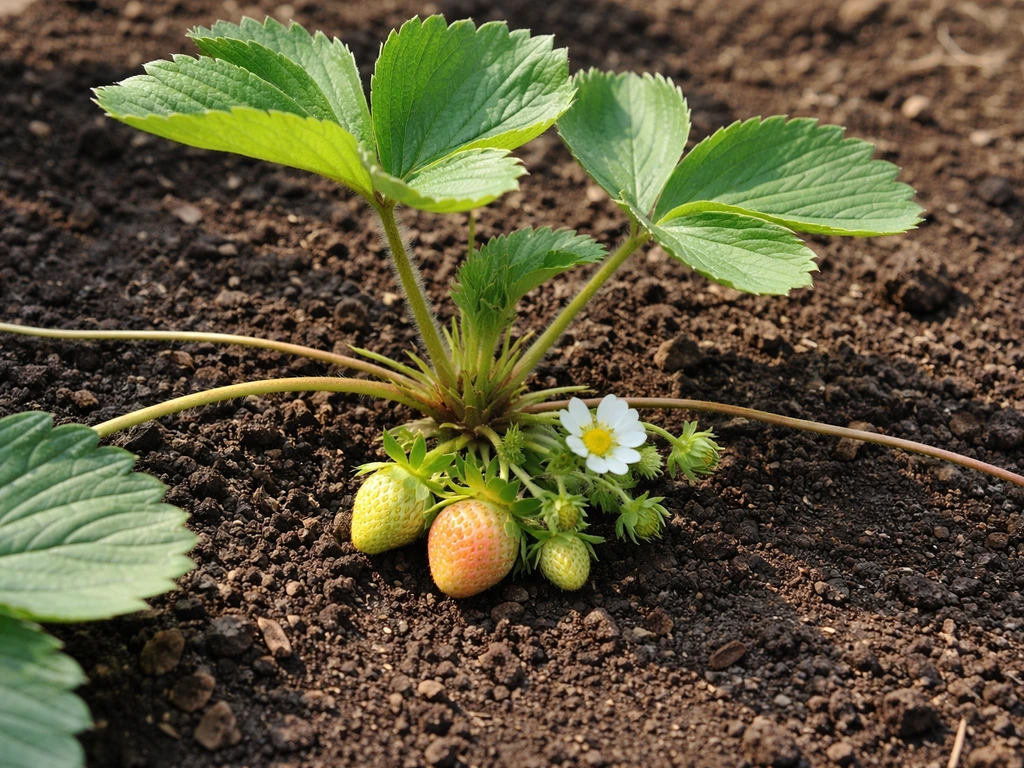
Strawberries are in a category of their own. The plant grows from a crown, which is a compressed stem sitting just at the soil surface. Everything, including the leaves, flowers, fruit, and those long horizontal runners called stolons, originates from that crown. The runners touch down and root to form new plants. This low, spreading growth habit is why strawberries work so well in containers, raised beds, and even hanging baskets, as long as you support the crown-to-root depth rather than deep soil volume.
Small trees: mulberries
blank" rel="noopener noreferrer">Mulberries are actual trees. The fruit forms on branch wood, and the plant needs to be trained when young with a leader and side shoots, much like any other fruit tree. Common mulberry (Morus alba) is hardy in zones 5 through 8, so it covers a wide geographic range, but it is not a container plant or a small garden shrub. Plan for a proper tree in a permanent spot. Rowan berries follow a similar tree-based structure, growing on mountain ash trees rather than any kind of shrub or cane.
How to tell what you have by looking at the plant
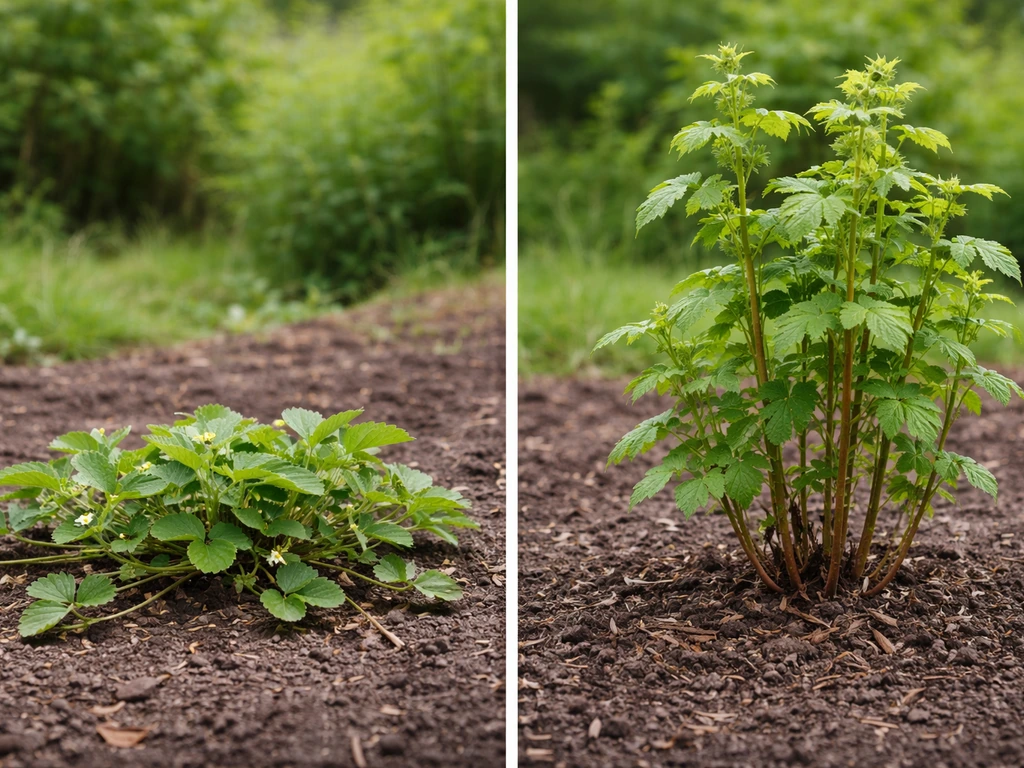
If you're standing in front of an unfamiliar berry plant and trying to figure out what you're looking at, these visual clues help narrow it down fast.
| Plant structure | Visual clues | Example berries |
|---|---|---|
| Crown with runners | Low to ground, no woody upright stems, sends out horizontal runners that root; fruit on short stems close to crown | Strawberry |
| Upright canes | Tall arching stems (canes), often thorny, shoot up from base each year, older canes look dry/dead after fruiting | Raspberry, blackberry |
| Woody shrub/bush | Multiple woody branches forming a rounded bush shape, no runners, no cane die-back pattern | Blueberry, elderberry |
| Tree | Single or multi-trunk, real bark, branching canopy, fruit hangs from branch wood, grows tall over time | Mulberry, rowan |
With cane berries, one of the easiest clues is looking for dead or dry canes alongside green ones in the same patch. That's the floricane die-back cycle in action. If the whole plant looks uniformly woody and no canes are dying back, you're likely looking at a shrub. If the plant is nearly flat on the ground and sending out horizontal shoots, it's almost certainly a strawberry or ground-cover type.
Soil and moisture: matching the plant to the ground
This is where a lot of growers go wrong. The plant structure hints at the soil preference, but you still need to dig into the specifics.
Well-drained garden loam: strawberries, cane berries
Strawberries want a soil pH around 6.0 to 6.2 and do best in loose, well-drained ground with decent organic matter. They do not like wet feet at all, and since the fruit sits close to the ground, poor drainage also causes fruit rot. Raspberries and blackberries are similar: they want good drainage and don't tolerate waterlogged soil, though they appreciate consistent moisture during fruiting.
Acidic, moist-but-drained soil: blueberries
Blueberries are the fussiest of the common berry crops on soil chemistry. They need a pH between 4. 0 and 5. 5, with 4.
8 to 5. 2 being the sweet spot for most varieties. The soil needs to stay consistently moist, but standing water is a death sentence. Even a few hours of waterlogging can kill a blueberry plant.
Think of them as wanting a well-drained but never-dry peaty or sandy-loam soil, the kind you'd find naturally at the edge of a forest or in a bog-adjacent planting. If your blueberry leaves are turning yellow between the veins (interveinal chlorosis), that's usually a sign your soil pH is too high, and it's time for a soil test. UMN Extension also notes that blueberry plants struggle when soil pH is above 5.
5 because they can’t absorb needed nutrients as well soil pH is too high.
Adaptable and tolerant: mulberries
Mulberries are far more forgiving than most berry crops. They tolerate a wide range of soil types and moisture levels once established, which is part of why they're considered easy to grow in zones 5 through 8. They still prefer reasonably well-drained ground, but they're not nearly as particular as blueberries about pH or as sensitive to wet spells.
Region and climate fit: does this berry work where you live?
Berry plants have real climate limits, and the plant structure often reflects those limits. Here's a practical region-by-region breakdown. If you're wondering where do loganberries grow, the best results come from matching their climate and sunlight to the planting site.
| Berry type | USDA zones | Cold/heat notes | Regional fit |
|---|---|---|---|
| Strawberry | 3–10 (variety dependent) | Needs 200–400 chill hours; flowers/fruit damaged below 32°F; crowns survive into low 20s | Very wide range; short-day and day-neutral varieties expand into warmer climates |
| Raspberry | 3–9 (variety dependent) | Primocane types extend range into hotter summers; floricane types need cold winters | Best in northern/cool climates; fall-bearing types better for zone 7–8 |
| Blackberry | 5–10 (variety dependent) | Thornless varieties often less cold-hardy; primocane types suit warmer zones | Southeast, Pacific Northwest, and mild-winter zones do well |
| Blueberry | 3–10 (variety dependent) | Rabbiteye types suit zones 7–9; lowbush suits zones 3–6; highbush spans 4–7 | Soil pH is the bigger constraint than zone for most growers |
| Mulberry | 5–8 | Established trees are tough; late frosts can hit new growth | Broad adaptation across mid-zone US, UK, and similar temperate climates |
If you're in a warmer zone (8 or above), your main berry challenges are finding varieties with enough chill hours for strawberries and raspberries, and choosing rabbiteye blueberries over northern highbush types. In colder zones (3 and 4), focus on cold-hardy varieties of blueberry (lowbush or half-high types) and blank" rel="noopener noreferrer">primocane raspberries, which regenerate from the roots even if the tops die back in a brutal winter. Loganberries and marionberries, which are bramble-type cane berries related to raspberries and blackberries, fit a similar zone range and follow the same cane-management logic.
Planting basics: replicating natural conditions in your garden
Light
Every berry on this list needs full sun, meaning at least 6 to 8 hours of direct sunlight per day. Partial shade will reduce yields significantly on blueberries, raspberries, and strawberries. There's no workaround for this. If your yard is heavily shaded, prioritize the sunniest spot you have, even if it means a container on a patio.
Spacing and placement
- Strawberries: space plants 12 to 18 inches apart in rows 3 to 4 feet apart; runners fill in gaps naturally
- Raspberries and blackberries: plant canes 2 to 3 feet apart in rows spaced 8 to 10 feet apart; plan for a trellis or support system
- Blueberries: give each shrub 4 to 6 feet depending on variety; plant at least two different varieties for cross-pollination
- Mulberries: treat like any fruit tree; allow 15 to 30 feet depending on training style and ultimate size
Container growing: what works and what doesn't
Strawberries are the easiest berry to grow in containers. A round pot at least 12 inches in diameter works for a single plant, and since the crown-root system is shallow rather than deep, the container doesn't need to be huge. Just make sure the crown sits at the soil surface, not buried.
Blueberries can do surprisingly well in containers if you use a large enough pot. You need at least 24 inches deep and 24 to 30 inches wide for a mature shrub. Use an acidic potting mix (or amend heavily with peat/pine bark) and monitor moisture carefully, since containers dry out faster than garden beds.
Raspberries in containers are possible but demanding. A pot at least 2 feet deep and in the 20 to 30 gallon range gives the root system enough room, but you'll need to water frequently and support the canes with a stake or trellis. It works on a sunny balcony or patio, but don't expect the same yields you'd get from an in-ground row.
Mulberries are not realistic container plants for the long term. They're trees, and they need ground. Some dwarf varieties can be kept in very large pots temporarily, but plan for an eventual in-ground home.
Your next practical steps
- Identify the plant structure of the berry you want to grow (crown/runner, cane, shrub, or tree) using the visual clues above
- Check your USDA hardiness zone and match it to the variety table to see if the species fits your climate
- Test your soil pH before planting, especially for blueberries; amend with sulfur or acidic compost if needed
- Choose your site based on full sun first, then drainage; avoid low spots where water pools
- Decide on in-ground vs. container based on your space and the berry's root depth needs
- For brambles and cane berries, plan a support structure (trellis or stakes) before you plant, not after
FAQ
What do berries grow on if I see fruit but I cannot find vines or canes?
Look at where the fruit is attached. Strawberries form directly from flowers coming out of a crown at ground level, while blueberries attach to woody branch wood on a shrub. If you only find fruit on upright stems that appear to die back each season, that points to cane berries rather than a true vine or tree.
Do blackberries and raspberries grow on vines?
They can look “vine-like” when they trail, but structurally they are cane systems that regenerate from the root crown. They still follow the cane management idea, typically with options like supporting trailing growth using trellises.
Why do some strawberry plants produce runners but no berries?
Runners usually mean the plant is vegetatively growing, but berries depend on proper crown depth and consistent sunlight. If crowns are buried too deep, flowers and fruit can fail. Also, overly shaded spots reduce blooms even if runners still form.
Can I grow berries on a fence or trellis if they are not cane berries?
Most non-cane berries are not designed to be trellised as a primary support system. Strawberries generally stay low and are better supported by keeping the crown at the surface. Blueberries can be trained lightly for form, but they still need shrub-like space, and heavy trellising is not a substitute for proper pruning and spacing.
What do berries grow on in raised beds, and do I need to change plant structure rules?
You still follow the same plant “home base” rules. Strawberries must keep the crown at soil surface even in raised beds. Blueberries need their acidic root zone in the bed, not just any topsoil. Cane berries need room for rotating canes, plus access to water so new canes establish from the root zone.
Why are my blueberry leaves turning yellow between veins, and what does that mean for what they grow on?
That symptom often indicates pH is too high, so the plant cannot access nutrients properly from the growing medium. Because blueberries rely on a specific acidic root environment, the issue is not the plant type alone, it is the soil mix “they grow on” in practice.
Do berries need full sun even if they are growing in containers?
Yes. Containers can warm up and drain differently, but they do not compensate for inadequate light. If you give less than about 6 to 8 hours of direct sun, yields drop for blueberries, raspberries, and strawberries, regardless of where the plant is planted.
How do I tell the difference between a shrub berry and a cane berry quickly?
Scan for a rotating pattern. Cane berries typically show a mix of living green canes and dead, dry canes in the same patch, reflecting the cane die-back cycle. Shrub berries like blueberries look more uniformly woody and do not show that same yearly cane regeneration pattern.
What do berries grow on if the fruit is coming from branch wood higher up, like mulberries?
That indicates a tree-based structure. Mulberries and similar tree fruit types produce on established branch wood, so you should plan for training and permanent placement, not a temporary bed or “cane rotation” system.
What is the most common mistake people make about what berries grow on?
Planting depth and drainage misunderstandings. Strawberries fail when the crown is buried or drainage is poor enough to cause rot. Blueberries fail when the mix is too alkaline or when the container stays waterlogged. Cane berries often fail when the pruning cycle or cane renewal is ignored.