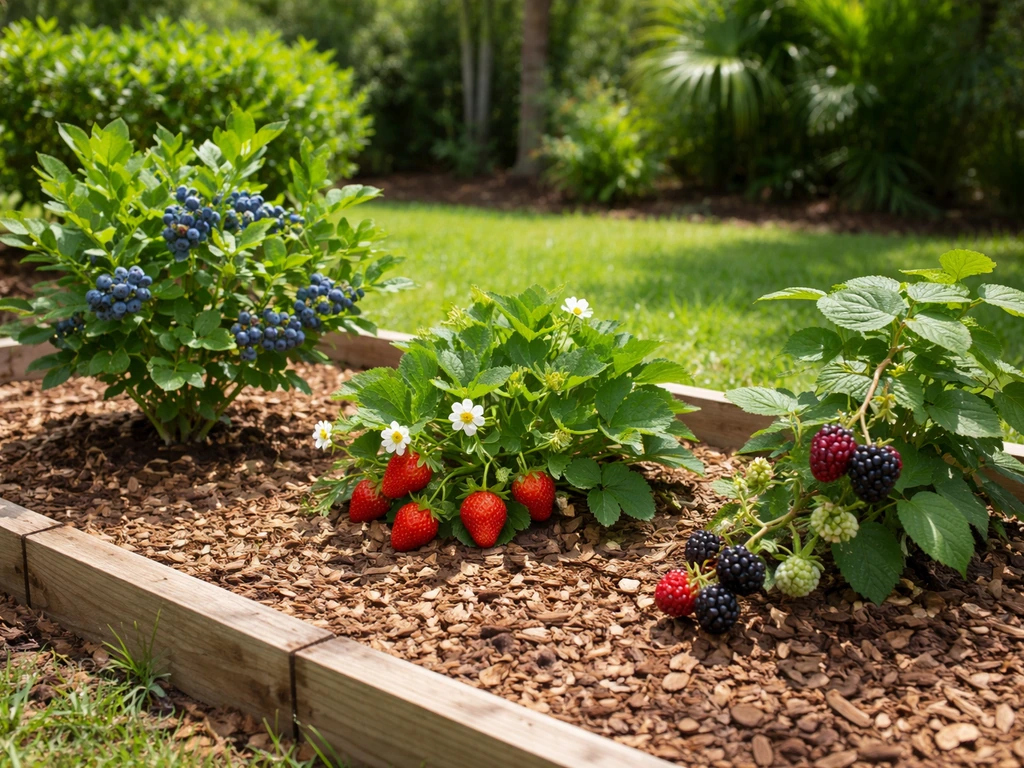
The best berries to grow in Florida are blueberries (southern highbush varieties for most of the state, rabbiteye in the north), strawberries, and blackberries. If you're not sure where to start, this guide explains what berries can i grow in my garden based on Florida conditions and your available space. If you're in South Florida, southern highbush blueberries and strawberries are your most reliable bets. Get those three dialed in and you'll have fresh fruit for most of the year without fighting Florida's climate the whole time.
Best Berries to Grow in Florida: South vs North Picks
Marcus Holloway
22 May 2026
Florida's berry climate: what you're actually working with
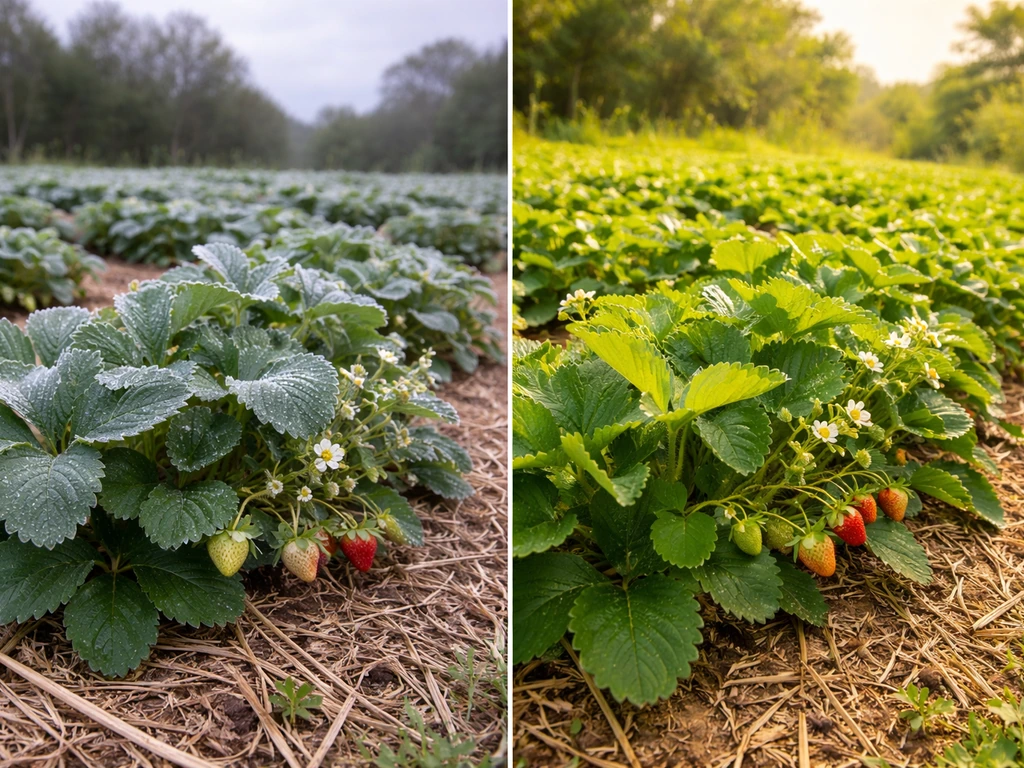
Florida isn't one climate. A gardener in Jacksonville is dealing with something completely different from someone in Miami, and that gap matters a lot when you're choosing berries. Most of the state falls into USDA hardiness zones 8b through 10b, with South Florida sitting in zones 10a and above. The practical difference for berry growers comes down to two things: chill hours and frost risk.
Chill hours are the number of hours each winter where temperatures sit between about 32°F and 45°F. Many berry plants need a certain bank of those cold hours to break dormancy, set buds, and produce fruit the following season. Northern blueberry varieties, for example, need far more chill hours than Florida winters can deliver, which is why UF/IFAS has specifically developed and identified low-chill cultivars for the state. Without enough chill hours, you'll get poor bud break, fewer flowers, and a dramatically reduced harvest.
North Florida (roughly Gainesville and above) gets somewhere between 300 and 600 chill hours in a typical winter. Central Florida might see 200 to 400. South Florida, from around Orlando southward and especially below Lake Okeechobee, often gets fewer than 200. That's the line that separates which berries are even worth attempting. Blackberries, for instance, can work well in northern and central Florida but become a real struggle further south.
Heat and humidity are the other side of the coin. Florida summers are brutal on many berries, and most varieties go dormant or semi-dormant during the hottest months anyway. The good news is that strawberries, blueberries, and blackberries all fruit during Florida's cooler season, which neatly sidesteps the worst of the summer heat.
The best berries for Florida: top picks by performance
Here's what consistently performs well for Florida home gardeners. These aren't exotic or experimental choices; they're the ones UF/IFAS recommends, that actual Florida gardeners grow successfully, and that have cultivars specifically matched to the state's conditions.
Blueberries
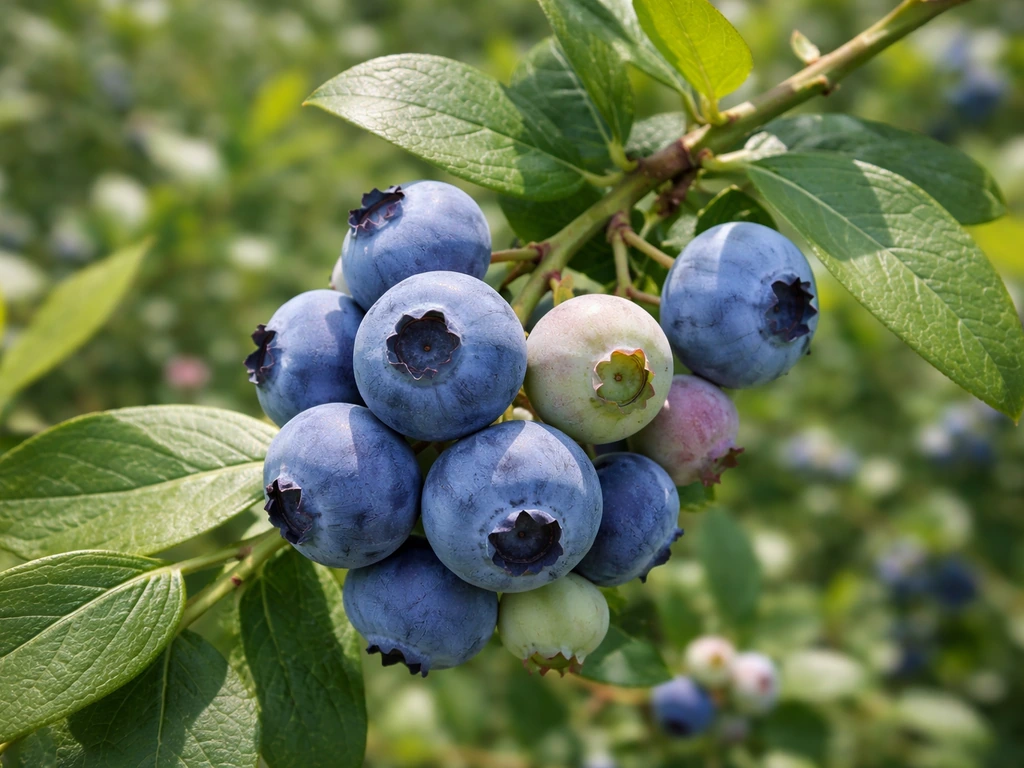
Blueberries are probably the best overall berry for Florida when you match the right type to your location. There are two main categories to know: southern highbush and rabbiteye. According to UF/IFAS, rabbiteye blueberries are generally suited to areas as cold as or colder than Ocala, while southern highbush is best for locations south of Ocala down to around Sebring. South of Sebring, southern highbush in containers or raised beds with carefully managed soil is your best approach.
One thing to plan for: most Florida blueberry cultivars are self-unfruitful, meaning they need a second cultivar of the same type nearby for cross-pollination. Plant at least two different southern highbush varieties together, or two rabbiteye varieties, and your yields will be noticeably better. Rabbiteye fruits also store better than southern highbush because the skins are a bit thicker, which is useful if you don't eat everything straight off the bush.
Strawberries
Strawberries are a cooler-season crop in Florida and are genuinely excellent for home gardeners across the entire state. UF/IFAS publication HS1154, “Growing Strawberries,” focuses on strawberry production and can help you plan for Florida conditions, including cultivar and management details beyond general chill-hour guidance blank" rel="noopener noreferrer">Strawberries are a cooler-season crop in Florida and are genuinely excellent for home gardeners across the entire state.. Florida actually has ideal conditions for strawberry production during fall through spring, when blank" rel="noopener noreferrer">temperatures are in the roughly 50°F to 80°F range that strawberry flower and fruit development needs. They're a short-season annual crop here rather than a perennial patch the way they'd grow up north, which means you replant each fall rather than maintaining an established bed for years.
Blackberries
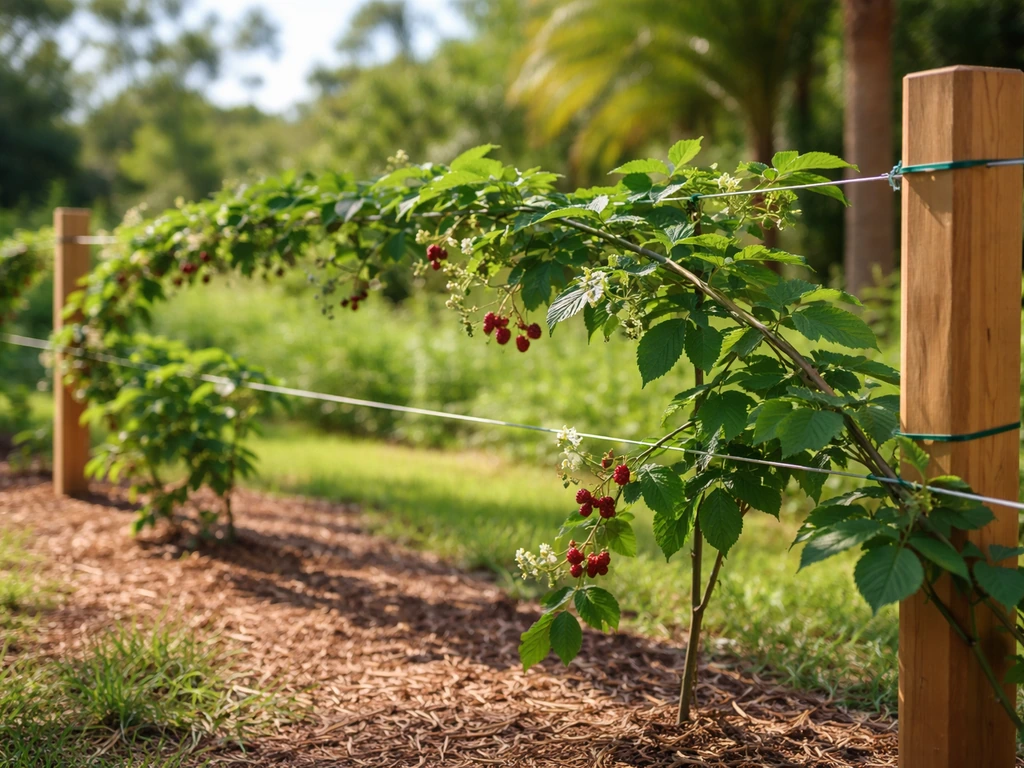
Blackberries work well in north and central Florida, where they get enough chill hours to produce reliably. They're a bramble, meaning they grow as arching canes that need trellising to stay manageable. UF/IFAS makes it clear that trellis choice depends on the variety and your setup, but trellising isn't optional if you want healthy, productive plants. South Florida gardeners will find blackberries frustrating because insufficient chill hours leads to weak fruiting, though some very low-chill varieties are worth a trial.
What about other berries?
Muscadine grapes are often grouped with berries by Florida gardeners and grow well in north and central Florida. Mulberries (technically a tree fruit) also thrive statewide and produce heavily with almost no care. Elderberries are increasingly popular in north Florida. For South Florida specifically, tropical options like Surinam cherry, jaboticaba, and acerola are worth exploring since they thrive in the heat and humidity that defeats most traditional berries. If you're comparing options across different regions of the country, the berry lineup for Florida looks quite different from what works in places like the Bay Area or San Diego, where milder, drier climates support a wider range of traditional cane fruits. If you're growing in San Diego, your best berry picks can be different because the climate and chilling needs are not the same as Florida's best berries to grow in San Diego. Because the Bay Area has milder, drier summers than Florida, the best berries to grow there often include varieties that need less heat management.
Matching berries to your yard: sun, soil, water, and space
Before you order plants, walk your yard and be honest about what you're working with. Most berries need full sun, at least 6 to 8 hours of direct light per day. Blueberries are slightly more tolerant of partial shade but will fruit much less in shadier spots. Strawberries and blackberries really want full sun.
Soil is where Florida throws the biggest curveball. Much of the state has sandy, low-organic-matter soil with near-neutral or slightly acidic pH. Blueberries are extreme acid lovers: UF/IFAS specifies a soil pH of 4.0 to 5.5, which is much lower than most Florida soils naturally sit. Strawberries are more forgiving, preferring a pH of 5.5 to 6.5. Unless you've already tested your soil and know it's naturally acidic, plan to amend or build a dedicated acidified bed for blueberries.
Drainage matters enormously. Blueberry roots are surface feeders and perform poorly in waterlogged soils; UF/IFAS specifically flags root diseases and root stress as serious problems when drainage is inadequate. Strawberries need well-drained soil too, and Phytophthora crown rot is one of the most common Florida strawberry diseases, responsible for roughly 30% of crown rot cases diagnosed at the UF/IFAS Gulf Coast Research and Education Center. If your yard has low spots or heavy clay layers, raised beds or containers aren't just a nice option, they're a practical necessity.
| Berry | Sun needed | Ideal soil pH | Drainage needs | Space per plant | South Florida? |
|---|---|---|---|---|---|
| Southern Highbush Blueberry | Full sun | 4.0–5.5 | Excellent; no standing water | 6 ft diameter circle | Yes, with soil management |
| Rabbiteye Blueberry | Full sun | 4.0–5.5 | Excellent; no standing water | 10 ft diameter circle | Not recommended |
| Strawberry | Full sun | 5.5–6.5 | Well-drained raised bed | 12 inches in row | Yes (Oct–Dec planting) |
| Blackberry | Full sun | 5.5–6.5 | Moderate; consistent irrigation needed | 2–5 ft apart (cultivar-dependent) | Limited; low-chill varieties only |
Planting setup by berry type
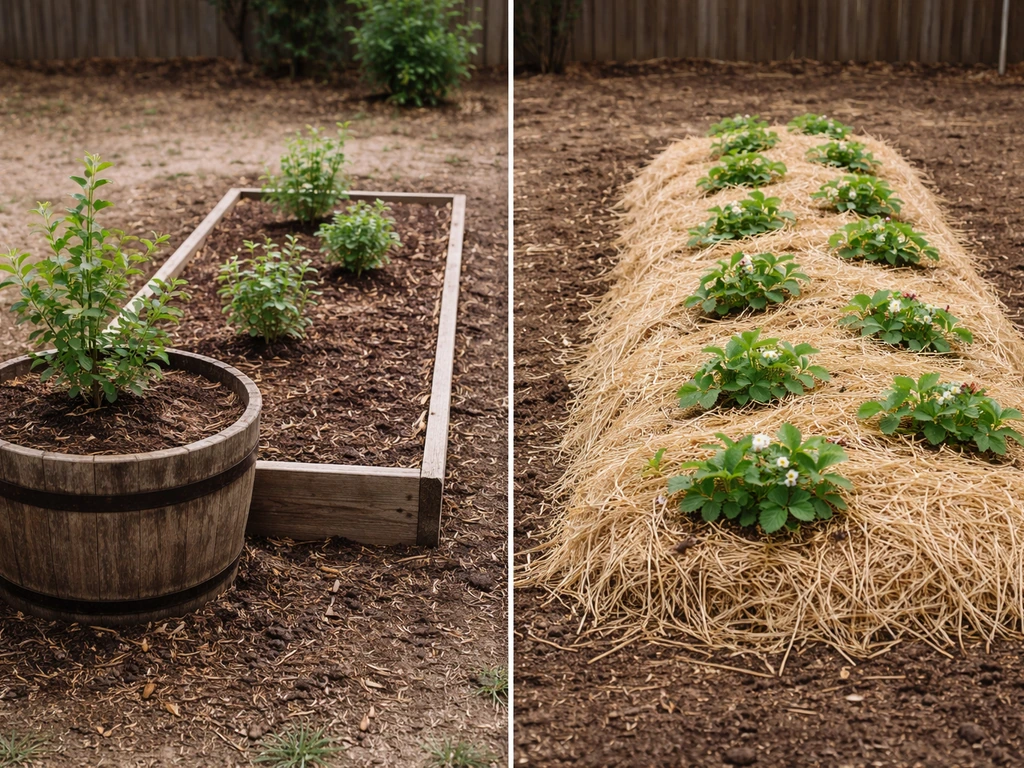
Blueberries: raised beds or containers for pH control
Getting soil pH to the 4.0 to 5.5 range is the single biggest challenge for Florida blueberry growers. If your native soil is pH 6.5 or above (common in many parts of Florida), the most reliable approach is building a dedicated raised bed with a mix of peat moss, pine bark fines, and native sandy soil, then testing and adjusting before planting. Sulfur can be used to lower pH, but it takes months to work and needs to be done well in advance. Containers filled with an ericaceous (acid-loving) mix work very well for southern highbush, which stays more compact. Rabbiteye grows much larger and is harder to manage in containers long-term.
Strawberries: raised mounded beds
Florida commercial growers use double rows on mounded raised beds, and that approach works great at home too. Mounding the soil 6 to 8 inches improves drainage immediately, which directly reduces the Phytophthora crown rot risk. Incorporate balanced fertilizer into the bed before planting. UF/IFAS recommends starting with high-quality transplants that are certified free from root diseases, spider mites, and nematodes, because pest pressure in Florida soil is real and starting clean makes a huge difference. Strawberries also grow well in containers and hanging baskets, which is a genuinely good option for South Florida gardeners who want a short productive season without a lot of infrastructure.
Blackberries: trellis systems from day one
Blackberries are brambles with arching canes that can get unwieldy fast. Plan your trellis before you plant, not after. A simple two-wire trellis (wires at about 3 and 5 feet) stretched between sturdy posts works well for most erect varieties. UF/IFAS notes that trellis selection depends on the variety and growth habit, so check whether your specific cultivar is erect or trailing before you build. Erect cultivars, which are easier to manage in Florida, can also be grown without trellising if you're prepared to do more pruning, but a trellis keeps disease pressure down by improving airflow.
Growing basics for each berry
Blueberries
Plant southern highbush bushes with about 6 feet between plants (they need a 6-foot diameter circle to develop properly), and rabbiteye with about 10 feet between plants. Water consistently but never let the roots sit in standing water. Mulch heavily with pine bark or pine straw to conserve moisture, suppress weeds, and help maintain soil acidity. Fertilize with an acid-forming fertilizer (ammonium sulfate works well) in small, frequent applications rather than large doses. Light pruning after harvest helps maintain shape; heavier renovation pruning every few years removes old unproductive wood.
Strawberries
Plant strawberries in fall following the UF/IFAS regional windows: North Florida from September 15 to October 15, Central Florida from September 25 to October 25, and South Florida from October 1 through the end of November. Space transplants 12 inches apart within the row. Keep the soil consistently moist but not saturated, and side-dress with fertilizer once plants are established. Watch for gray mold, leaf spot, and crown rot, and remove any diseased fruit promptly. From transplant to first harvest is roughly 90 to 110 days, so a mid-October planting in Central Florida means fruit by late January or early February.
Blackberries
Space erect cultivars about 3 feet apart in the row; trailing cultivars need about 5 feet. Irrigation is critical during the establishment year, especially in north and north-central Florida where summer dry periods are common. UF/IFAS is direct about this: inconsistent water during establishment can seriously compromise the plant's long-term productivity. After the first year, established plants are more drought-tolerant but still benefit from irrigation during dry spells and especially during fruit development. Prune out spent floricanes after harvest to keep the planting open and reduce disease pressure.
When you'll actually be picking fruit
One of the genuinely satisfying things about growing berries in Florida is that your harvest windows run through the cooler, more pleasant months rather than the brutal summer. Here's what to expect:
| Berry | Planting time | Expected harvest window | Notes |
|---|---|---|---|
| Southern Highbush Blueberry | Late winter/early spring (bareroot) or fall (container) | April–June | Earlier than rabbiteye; plant two cultivars for best yield |
| Rabbiteye Blueberry | Late winter/early spring (bareroot) or fall (container) | June–August | Stores better; best for north Florida |
| Strawberry (North FL) | Sept 15–Oct 15 | January–March | ~90–110 days from transplant |
| Strawberry (Central FL) | Sept 25–Oct 25 | January–April | ~90–110 days from transplant |
| Strawberry (South FL) | Oct 1–late Nov | February–April | Shorter season; containers work well |
| Blackberry | Late fall/winter | April–June (north/central FL) | Not reliable south of Orlando without very low-chill variety |
Blueberries won't produce much in their first year and hit their stride in years three to four. Strawberries give you fruit the same season you plant them. Blackberries typically produce their first significant harvest in year two. If you want fruit this coming winter and spring, strawberries are by far your best immediate return on effort.
How to decide: a quick checklist for Florida gardeners
Run through this before you order plants. This Reddit thread claims UF/IFAS has zip-code planting calendars, but it is not an official extension publication and should be replaced with direct UF/IFAS calendar outputs for publishing blank" rel="noopener noreferrer">UF/IFAS zip-code planting calendars. It'll save you from buying something that won't perform in your specific yard and location.
- Where are you in Florida? North/Central Florida (above Ocala): all three main berries work. South of Ocala to Sebring: southern highbush blueberries and strawberries. South of Sebring or in South Florida: focus on strawberries and southern highbush blueberries in containers; skip rabbiteye and blackberries.
- How much sun does your planting spot get? Count actual direct sun hours on a clear day. Under 6 hours? Blueberries can manage with 4–6 hours but will fruit less; strawberries and blackberries really need 6–8.
- What is your soil pH? Test before planting. For blueberries you need 4.0–5.5; for strawberries and blackberries, 5.5–6.5. If you can't get there in the ground, plan for raised beds or containers.
- Does your soil drain well? If it holds water after rain for more than an hour, build raised beds or use containers for everything, but especially blueberries and strawberries.
- Do you have space for two blueberry plants? Blueberries need cross-pollination. One plant will give minimal fruit. Budget space for two, keeping the type consistent (two southern highbush together, or two rabbiteye together).
- Do you want fruit this season? Plant strawberries this fall. They're the only berry that goes from transplant to harvest in a single season (90–110 days).
- Can you build or set up a trellis? If not, skip blackberries or commit to heavy erect-variety management. Without structure, blackberry canes become a tangled mess and disease pressure increases.
- Are you in South Florida and want to go beyond these basics? Explore low-chill strawberry varieties and consider tropical berry alternatives (Surinam cherry, jaboticaba) that genuinely love your climate rather than tolerating it.
The short version: if you're anywhere in Florida, start with strawberries this fall and at least two southern highbush blueberry plants in an acidified bed or containers. top 10 grow your own berries and currants. If you're in north or central Florida and have room for a trellis, add a row of erect blackberries. Those three together will give you fresh homegrown fruit from January through June with a manageable amount of setup work.
FAQ
Which is the best berry to start with if I want fruit as fast as possible in Florida?
Choose strawberries. They can give you fruit in the same season you plant (about 90 to 110 days from transplanting to first harvest), while blueberries usually take until year three to four to really peak, and blackberries often have their first major harvest in year two.
Do I need two blueberry plants, or will one bush produce?
Most Florida blueberry cultivars are self-unfruitful, so one plant often makes very little fruit. Plan on planting at least two different cultivars of the same blueberry type (southern highbush with southern highbush, rabbiteye with rabbiteye) so cross-pollination can happen.
What happens if my yard has sandy soil that drains too fast?
Fast drainage can still be a problem because berries like consistent moisture, not dry-and-drench cycles. Use raised beds or containers with a moisture-retentive, acidified mix, then mulch heavily (pine bark or pine straw) to slow drying, and keep irrigation consistent during establishment.
How do I know if I should grow rabbiteye or southern highbush blueberries?
Use your local chill-hour reality and your location. In general, rabbiteye tends to suit colder areas up to around Ocala, while southern highbush performs best from south of Ocala down toward about Sebring, and below that it often works best in containers or raised beds with careful soil management.
Can I grow blueberries in the ground if my soil pH is neutral or alkaline?
It usually fails without a dedicated acidification plan. If your soil is pH 6.5 or higher, the most reliable approach is a dedicated raised bed with an acidified mix, then repeat soil testing and adjustment. Sulfur can lower pH but requires months and must be done well in advance.
Why do my strawberry plants get crown rot or leaf spot even when I water correctly?
Two common triggers are waterlogged ground and disease pressure from poor airflow. Keep soil well-drained, avoid wetting foliage when you can, remove diseased fruit promptly, and consider spacing and pruning so plants dry faster after rain or irrigation.
What is the safest way to water berries so I do not cause root diseases?
Water consistently, but never let roots sit in standing water, especially for blueberries and strawberries. Aim for moist soil, not puddled conditions. Raised beds and mounded rows (about 6 to 8 inches high) can reduce root stress by improving drainage immediately.
Do I need a trellis for blackberries in Florida?
For most home setups, yes. Blackberries are brambles with arching canes that can become unmanageable without trellising, and trellising also improves airflow to reduce disease pressure. If you skip a trellis, you will need heavier pruning to keep growth under control.
What spacing should I use for berry bushes if I am not sure about airflow and yield?
Follow the “space for the plant to become itself” approach. Southern highbush usually needs about a 6-foot diameter circle, so plan roughly 6 feet between bushes, while rabbiteye needs more room, about 10 feet between plants. For blackberries, erect types are about 3 feet apart in-row, trailing types about 5 feet.
When should I plant strawberries in north, central, and south Florida?
Use UF/IFAS regional windows. North Florida is typically September 15 to October 15, Central Florida September 25 to October 25, and South Florida October 1 through the end of November. Planting outside these windows can shorten or disrupt the fruiting season.
Are blackberries worth trying in South Florida?
They are often frustrating there because insufficient chill hours leads to weak fruiting. If you want to experiment, look for very low-chill cultivars and expect more variable results. For most gardeners in south areas, strawberries and blueberry options generally have a higher success rate.
Should I fertilize berries the same way I do tomatoes or other vegetables?
No. Berries often need smaller, frequent doses, and blueberries especially require acid-forming fertilizer to maintain the right soil chemistry. Instead of large feedings, use an acid-forming approach like ammonium sulfate in light applications, then rely on soil testing to guide adjustments.
What is the biggest mistake Florida gardeners make when growing blueberries?
Ignoring soil pH and drainage. Most Florida blueberries fail when soil is not kept in the required low pH range (about 4.0 to 5.5) and when roots sit in poorly drained conditions. Start with soil testing, then build a dedicated acidified bed or container system if your native soil is too high in pH.