
Strawberries, blueberries, and raspberries are the best berries to grow at home for most gardeners. They're productive, manageable in size, and genuinely rewarding to eat straight from the garden. The best pick for you specifically comes down to your climate, your soil, and how much space you have. A gardener in Florida has totally different options than someone in the Pacific Northwest or the upper Midwest, and choosing the wrong berry for your conditions is the fastest way to get frustrated. Get the match right, though, and you'll have fruit coming in reliably year after year with surprisingly little work. If you want to narrow it down fast to what berries can i grow in my garden, use your climate and space as your first filter.
Best Berries to Grow: Easy Choices by Climate and Home Setup
Marcus Holloway
24 Apr 2026
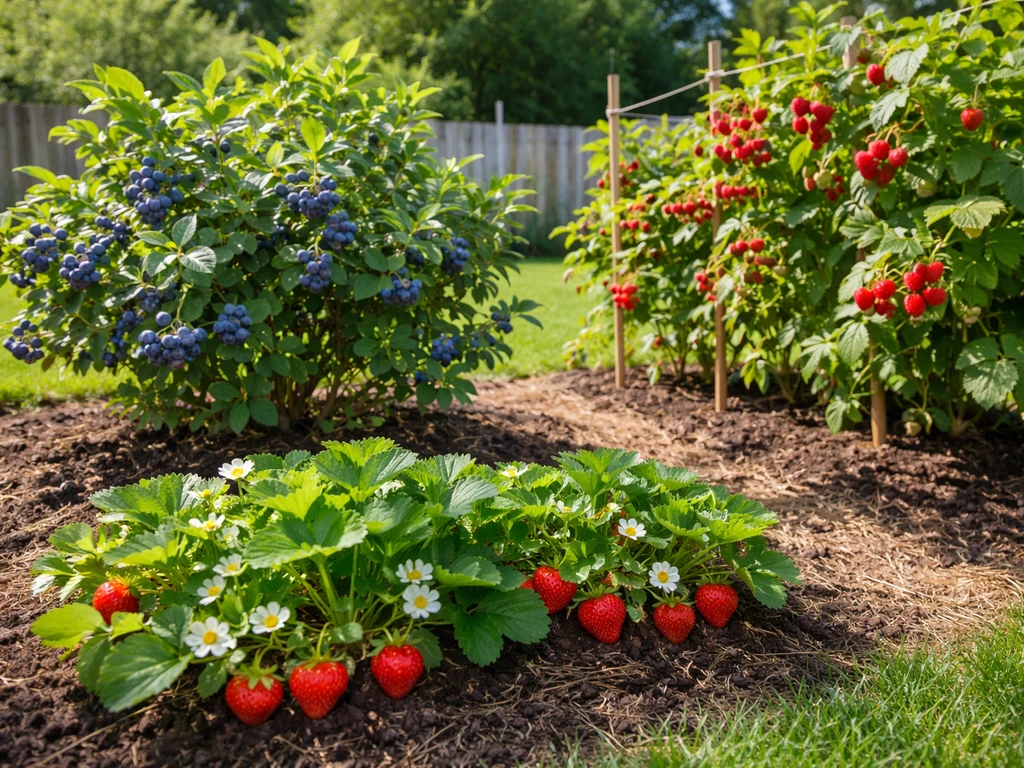
How to choose the best berries for your climate and garden
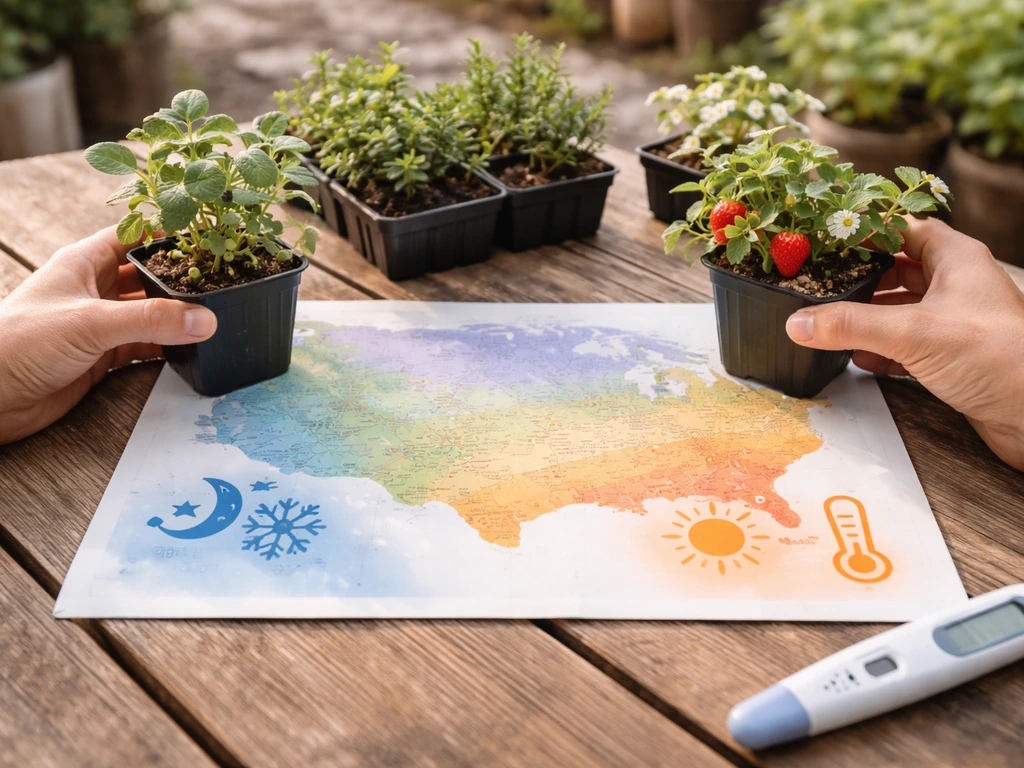
The single most important filter is your USDA Hardiness Zone. Most berries have a chilling hour requirement, meaning they need a certain number of hours below 45°F each winter to break dormancy and fruit properly. Blueberries, for instance, range from varieties needing 1,000+ chilling hours (northern highbush) down to varieties that need fewer than 150 hours (southern highbush or rabbiteye), so the same genus covers growers from Minnesota to Miami if you pick the right cultivar. Start here before anything else.
After zone, think about your summers. Extreme heat during flowering is a real problem, especially for blueberries. blank" rel="noopener noreferrer">WSU Extension research shows that heat stress during bloom can close stomata, reduce water uptake, and damage flowers before they can set fruit. If you're in a hot region with summers regularly pushing past 95°F, you need heat-tolerant varieties or a site with afternoon shade. Cool, mild climates have more forgiving options. Humid climates favor strawberries and blackberries but can invite fungal disease on raspberries, so airflow matters there too.
Finally, be honest about your soil before buying anything. Sandy soil drains fast and suits strawberries and most cane berries. Heavy clay retains too much moisture and needs amendment. Blueberries are unusually specific: they need acidic soil in the pH 4.5 to 5.5 range, which most gardens don't have naturally. If you're not willing to amend aggressively or grow in containers with ericaceous mix, blueberries will disappoint. Knowing your soil pH upfront saves a lot of heartache.
Top berry types to grow at home: bush vs. cane vs. vine
Berries fall into a few distinct growth habits, and understanding which type you're working with changes everything about how you plant, prune, and harvest. Here's how the main categories break down.
Bush berries
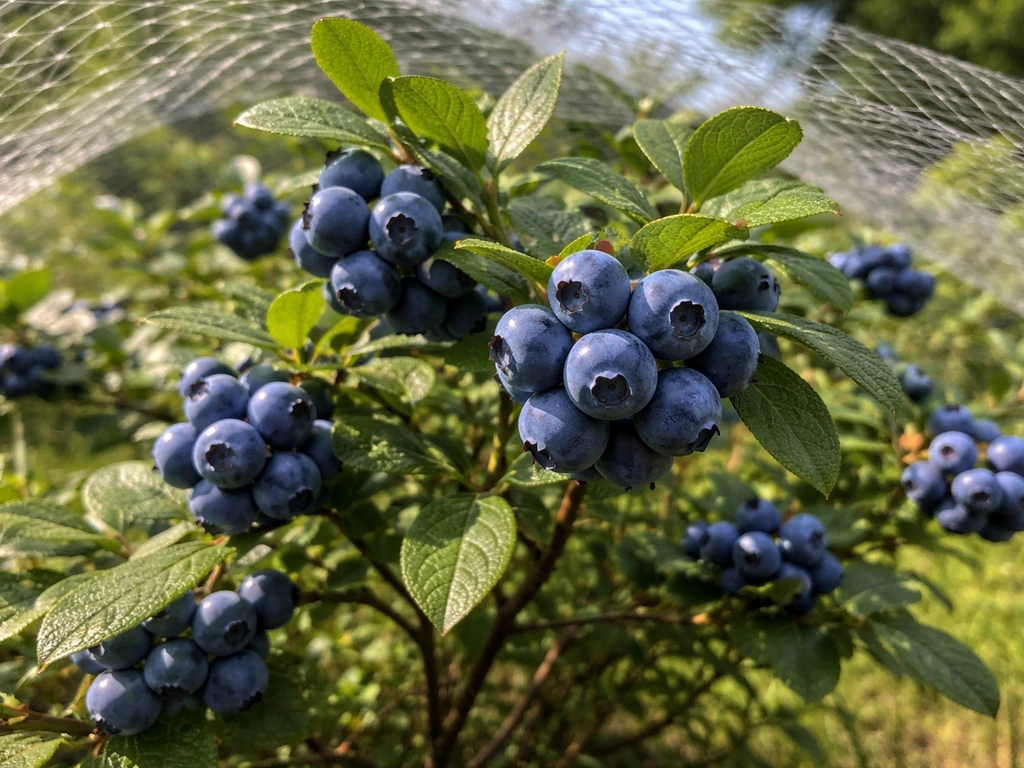
Blueberries are the flagship bush berry. They're long-lived (a well-sited plant can produce for 50 years), self-contained in their growth, and genuinely low-maintenance once established. You need at least two different cultivars for good cross-pollination and therefore better yields. Gooseberries and currants (black, red, and white) also fall in this category. They're underused in American gardens but incredibly productive and cold-hardy, thriving in Zones 3 through 7 with almost no fuss. If you're in a cold climate looking for a reliable, low-work bush berry, currants deserve serious consideration.
Cane berries
Raspberries and blackberries grow on canes, which are biennial woody stems that grow one year (primocanes) and fruit the next (floricanes), then die back. Everbearing or primocane-fruiting types buck that pattern and produce fruit on first-year growth, which simplifies management considerably. Blackberries are generally more vigorous and easier to get fruit from than raspberries, especially in warmer climates. Raspberries prefer cooler summers and struggle south of Zone 7 in most cases. Both spread aggressively if you don't manage them, which is something to plan for.
Groundcover and trailing types
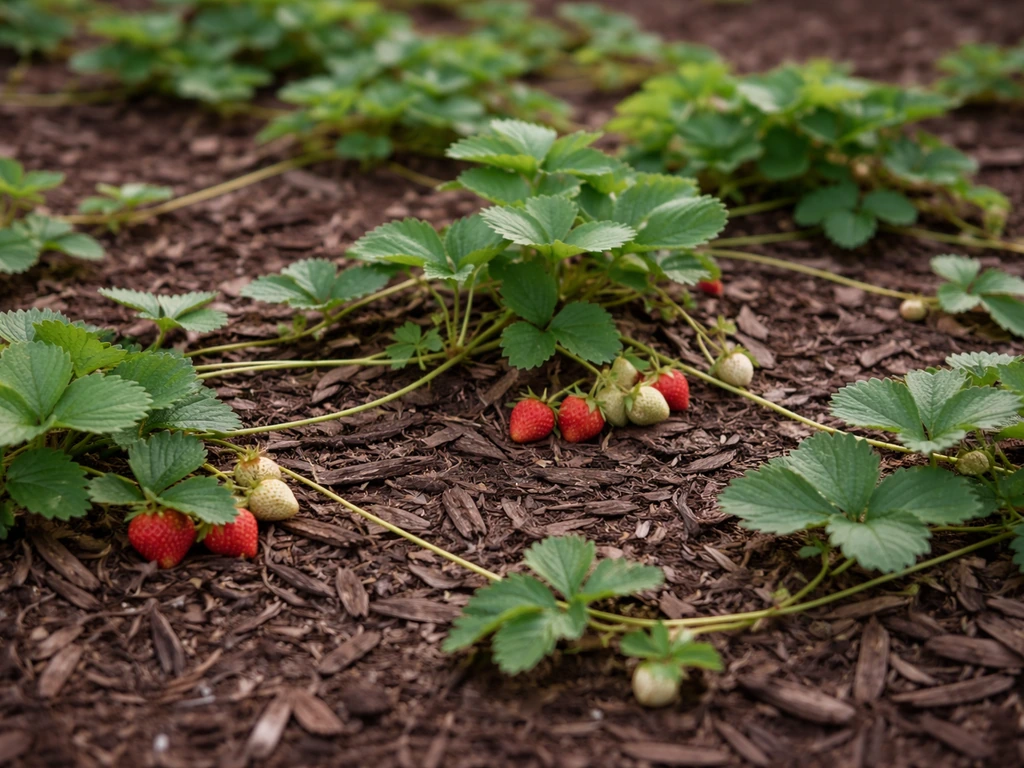
Strawberries are technically neither bush nor vine, growing as low rosettes that spread by runners. They're the fastest to first fruit (often the same year you plant them if you choose day-neutral types), the most beginner-friendly, and the most adaptable to containers. Wild-type or woodland strawberries are perennial and very cold-hardy. Cranberries grow as low, trailing vines in boggy, highly acidic conditions and are very region-specific, doing best in the upper Midwest and Northeast. Lingonberries are a more garden-friendly alternative in that same low-trailing category.
Best tasting berry varieties to look for
Flavor varies dramatically by variety, not just species. A lot of commercially grown berries are bred for shelf life and shipping durability, not taste. When you're growing your own, you can choose for flavor first, which is one of the biggest advantages of home growing.
| Berry | Best-Tasting Varieties | Best Climate Fit | Notes |
|---|---|---|---|
| Blueberry | Bluecrop, Duke (North); O'Neal, Sunshine Blue (South); Bluegold (cold climates) | Zones 3-9 depending on variety | Needs acidic soil; cross-pollination improves yield |
| Raspberry | Polka, Caroline (red); Jewel (black); Anne (yellow/gold) | Zones 3-7; cool summers preferred | Everbearing types simplify pruning for beginners |
| Blackberry | Chester, Natchez, Navaho, Triple Crown | Zones 5-9; heat tolerant | UGA Extension recommends these by ripening window and region |
| Strawberry | Seascape, Albion (day-neutral); Earliglow, Honeoye (June-bearing) | Zones 3-10 with variety selection | Day-neutral types fruit all season in mild climates |
| Currant | Consort, Ben Sarek (black); Rovada (red) | Zones 3-6; cold hardy | Tart but intense; great for jams and fresh eating |
| Gooseberry | Hinnomaki Red, Pixwell | Zones 3-6 | More heat-sensitive than currants; excellent fresh flavor |
For warmer climates (Zones 8 and up), the options narrow but don't disappear. Southern highbush blueberries like O'Neal and Sunshine Blue were bred specifically for low-chill conditions. Heat-tolerant blackberry varieties like Natchez and Kiowa perform well in the South and lower Midwest. Strawberries actually do fine in warm climates if you treat them as cool-season annuals, planting in fall and harvesting in late winter and spring before the heat hits. If you're gardening somewhere like Florida or Southern California, the timing shift is the key insight.
Where each berry grows best: sun, soil, moisture, and pH
Every berry has a sweet spot for conditions. Getting these right is what separates a plant that survives from one that actually produces. Here's what each type needs.
| Berry | Sun | Soil Type | pH | Moisture |
|---|---|---|---|---|
| Blueberry | Full sun (6+ hrs); tolerates light afternoon shade in hot climates | Sandy loam, well-drained, rich in organic matter | 4.5-5.5 (strongly acidic) | Consistent moisture; drought-sensitive but not waterlogged |
| Raspberry | Full sun; afternoon shade helps in hot climates | Well-drained loam; avoid heavy clay | 5.5-6.5 | Moderate; good drainage essential to prevent root rot |
| Blackberry | Full sun | Adaptable; prefers loamy, well-drained soil | 5.5-7.0 | Moderate; more drought-tolerant than raspberries |
| Strawberry | Full sun; at least 6-8 hours | Fertile, well-drained sandy loam or clay loam | 5.5-6.5 | Moderate; consistent moisture during fruiting |
| Currant/Gooseberry | Full sun to partial shade | Moist, fertile, well-drained loam | 6.0-7.0 | Regular moisture; tolerates some shade better than other berries |
| Cranberry | Full sun | Sandy, boggy, peat-based | 4.0-5.0 (very acidic) | High; needs wet, waterlogged conditions |
Strawberries are particularly clear-cut on site requirements. OSU Extension research confirms they perform best in full sun with fertile, well-drained sandy loam or clay loam soils that have moderate water-holding capacity. Poorly drained spots lead to crown rot and failure. If your only open space has standing water after rain, raised beds are your best option before you plant anything.
Blueberries are the outliers in terms of pH. Most garden soils sit around 6.0 to 7.0, which is too alkaline. You'll need to lower pH with elemental sulfur (applied months in advance), or skip the soil battle entirely and grow them in containers with an ericaceous (acidic) potting mix. Don't try to rush the pH adjustment by dumping sulfur all at once before planting. Work on it the season before, test again, and then plant.
Container and small-space berry growing options
Limited space doesn't mean no berries. Most berry types adapt well to containers, raised beds, or compact planting schemes if you choose the right variety and give the container enough volume.
- Blueberries: Use at least a 15-20 gallon container per plant with ericaceous potting mix. Compact varieties like Sunshine Blue, Top Hat, or Northsky are bred specifically for container and small-space growing. Keep two varieties together for cross-pollination.
- Strawberries: Excellent in containers, hanging baskets, or tower planters. Day-neutral types like Albion or Seascape keep fruiting all season rather than giving one big June flush. Refresh the mix annually and replace plants every 2-3 years for best flavor.
- Raspberries: Can be grown in large containers (minimum 15-20 gallons) with a stake or trellis. Heritage and Joan J are compact everbearing options. Containers dry out faster than ground beds so you'll water more frequently.
- Blackberries: Thornless compact types like Baby Cakes work in large containers. Most standard blackberries are too vigorous for container life long-term.
- Currants and gooseberries: Great for small gardens as freestanding bushes or trained as cordons against a fence or wall, which saves significant horizontal space.
- Lingonberries: Low-growing, evergreen, and well-suited to acidic containers or raised beds; a good alternative to cranberries for gardeners without bog conditions.
One thing I've found with container berries: the biggest mistake is undersizing the pot. A 5-gallon pot feels fine for a young plant but restricts root development quickly and leads to drought stress and reduced yields within a season or two. Spend the money on a big, quality container at the start. It pays back in fruit.
Planting, watering, and simple care for strong harvests
Most berries are planted in early spring once the ground has thawed and temperatures are consistently above freezing, or in fall (for mild climates) to get root establishment before winter. Bare-root plants are cheaper and establish quickly in spring; potted plants give you more flexibility on timing. Here's the basic process that works across most berry types.
- Test your soil pH before planting. Get a simple test kit or send a sample to your county extension office. Amend if needed, especially for blueberries.
- Prepare the planting area with compost worked into the top 12 inches of soil. For blueberries, mix in peat moss to lower pH and improve drainage.
- Plant at the same depth as the nursery container or, for bare-root plants, with the crown just at soil level. Planting too deep encourages crown rot.
- Space plants according to type: strawberries 12-18 inches apart in rows 3 feet apart; raspberries 18-24 inches apart in rows 6-8 feet apart; blueberries 4-6 feet apart (more for rabbiteye types); blackberries 3-4 feet apart in rows 8-10 feet apart.
- Water in immediately and deeply after planting. Then maintain consistent moisture, especially during the first growing season when root systems are still establishing.
- Mulch 2-4 inches around plants to retain moisture, suppress weeds, and (for blueberries) help maintain soil acidity. Acidic mulches like pine bark or wood chips work particularly well for blueberries.
- Pinch off flowers in the first season on blueberries and newly planted raspberries. It feels wrong, but letting the plant focus energy on root establishment rather than fruiting in year one pays off in much heavier harvests from year two onward.
Watering is where a lot of first-timers go wrong, either by overwatering (leading to root rot, especially in heavy soils) or by letting plants dry out during fruit development (which stresses flavor and causes premature drop). A consistent, moderate approach beats swinging between drought and flood. Drip irrigation or soaker hoses are worth installing if you're planting more than a few plants. Strawberries are especially sensitive to irregular watering during fruit set.
Cold protection is also worth planning ahead. UMN Extension notes that strawberry crowns can be killed at 15°F, so in cold climates (Zones 4 and below), covering strawberry beds with straw mulch in late fall is essential. This isn't just best practice; it's the difference between having plants in spring or having to replant from scratch. The same logic applies to marginally hardy varieties of blueberries or thornless blackberries in Zone 5 or colder.
Pruning, training, and common mistakes to avoid
Pruning is what separates a productive berry patch from a tangled, overgrown disappointment. Each type has its own rhythm, but the underlying goal is always the same: remove old, unproductive wood to push energy into new growth that will carry next year's fruit.
Cane berries (raspberries and blackberries)
For summer-bearing raspberries, cut floricanes (second-year canes that have fruited) all the way to the ground immediately after harvest. Leave the healthy primocanes (first-year green canes) in place; they'll carry next year's crop. Thin them to the 6-8 strongest per linear foot of row. For everbearing raspberries, you can simplify management dramatically by cutting all canes to the ground in late winter. You sacrifice the early summer crop but get a full fall crop on primocanes, and maintenance is much easier.
Blackberries need tipping (cutting back the growing tip of primocanes to about 3-4 feet height) in midsummer. This encourages lateral branching, which is where next year's fruit will form. After fruiting, remove those floricanes entirely. UGA Extension recommends blackberry cultivars like Chester, Natchez, Navaho, and Triple Crown, which differ in ripening time and cane type (erect vs. trailing), so your pruning and training approach should match your specific variety.
Bush berries (blueberries, currants, gooseberries)
Blueberries don't need much pruning in the first three years other than removing dead or damaged wood. From year four onward, prune in late winter by removing the oldest, thickest canes (more than 6 years old) at ground level to make way for vigorous new shoots. Also remove twiggy, low growth that won't receive good light. Currants and gooseberries follow similar logic: keep a balanced structure of young, medium, and old wood, removing the oldest stems after fruiting each year.
Strawberries
After harvest, mow or cut June-bearing strawberry foliage down to about 1 inch and renovate the bed by thinning plants and removing runners to keep rows manageable. Day-neutral types are better managed by selectively removing runners during the season so the mother plant keeps all its energy going into fruit rather than spreading.
Common mistakes worth avoiding
- Planting blueberries in unamended soil without testing pH first: the plant will survive but barely produce.
- Skipping the year-one flower pinching on blueberries and new raspberry plantings: short-term gain, long-term weaker plants.
- Letting blackberries run without tipping or thinning: they'll become an impenetrable thicket and fruit quality drops sharply.
- Overwatering in heavy soils: more berries die from root rot than drought.
- Growing only one blueberry variety: most varieties are self-fertile enough for small yields but cross-pollination from a second variety meaningfully increases fruit size and quantity.
- Not mulching: water retention, weed suppression, and (for acid-loving types) soil chemistry management all depend on a good mulch layer.
- Expecting full production in year one: blueberries typically hit their stride in years 3-4; patience is part of the process.
If you're gardening in a specific region, your best berry picks will differ from general advice. Warm-climate growers have very different considerations from those in cool, temperate zones, and even within the US, microclimates matter. Gardeners in places like Florida, Southern California, or San Diego need to lean on low-chill, heat-tolerant varieties and adjust their planting calendar accordingly, while those in the Bay Area benefit from a uniquely mild, year-round growing window that suits a surprisingly wide range of berry types. In San Diego, focus on low-chill, heat-tolerant berries and adjust planting for the local calendar. For the Bay Area specifically, focus on low-chill, heat-tolerant options and a planting schedule that matches its mild, year-round growing window Bay Area benefit. Getting the regional match right is really the whole game.
FAQ
How do I choose between highbush, rabbiteye, and other blueberry types if my zone is borderline?
If you’re near the top or bottom of a zone, start with chilling-hour needs first, not just hardiness. Southern types (like rabbiteye) can tolerate heat better, but if winter chilling is too low for northern highbush, you may get weak bloom. Use the variety’s chilling requirement to decide, then confirm your soil pH plan (container ericaceous mix is the most forgiving fallback).
What’s the fastest way to avoid blueberry failure when my soil isn’t acidic enough?
Don’t rely on quick pH changes. Test soil pH, then either amend gradually for a full season before planting or switch to containers using acidic ericaceous potting mix. Also plan for consistent watering, because dry cycles can worsen nutrient uptake issues in blueberries even when pH is corrected.
Do I really need two blueberry bushes for pollination, or will one plant fruit anyway?
Most blueberries benefit from cross-pollination, and many cultivars produce better yields when paired with a different cultivar that blooms at the same time. A single plant may still flower and set some fruit, but yields often disappoint. If space is tight, prioritize matching bloom overlap rather than simply planting any two blueberry varieties.
What should I do if my strawberries keep rotting at the crown even in full sun?
Crown rot usually means drainage is still not adequate. Ensure the crown sits at soil level or slightly above, avoid planting in low spots that hold water, and consider raised beds if your ground stays wet after rain. Also keep mulch and straw from burying the crown, because persistent moisture around the crown is the real trigger.
How much sun do berries truly need if I’m in a hot climate with afternoon shade?
In heat-prone areas, afternoon shade can protect flowers, but you still need enough daily light for fruiting. Aim for several hours of direct sun and use shade strategically during the hottest part of the day. If you notice thin growth and poor flowering, reduce shade or move planters to a brighter spot rather than just increasing fertilizer.
Can I grow raspberries in containers, and how do I prevent them from getting out of control?
Yes, containers work well for keeping canes contained, especially for raspberries that otherwise spread. Use a large pot, keep soil evenly moist (not soggy), and follow the pruning approach for your type (summer-bearing floricanes removed after harvest, everbearing cut-down in late winter). Container growing also makes it easier to manage airflow and reduce fungal pressure.
What’s the most common pruning mistake with canes, and how can I avoid it?
People often cut the wrong cane type at the wrong time. For summer-bearing raspberries, removing all canes after harvest eliminates next year’s fruiting wood, so you must leave primocanes. For everbearing raspberries, cutting everything down in late winter is correct, even though it removes early summer fruit, because it shifts the crop to primocanes.
If my blackberry canes are trailing, do I still need tipping, or should I train differently?
Tipping can still help on primocanes because it encourages lateral branching, but trailing systems may benefit more from consistent trellising and guiding than heavy cutting. If your variety naturally forms long trailing canes, plan the support first, then use pruning to control where side shoots grow and to remove old floricanes after they fruit.
How do I decide whether to plant strawberries as runners or buy plugs for quicker results?
Runners (or bareroot equivalents) can establish quickly, but plugs often give you more predictable spacing and uniform plants. For the fastest path to fruit, choose day-neutral varieties and plant at the right season for your climate. Either way, focus on consistent moisture during establishment, because dry spells right after planting delay rooting.
What’s the right watering approach during fruiting if I tend to overcorrect week to week?
Berries dislike swings between drought and waterlogging. Use drip irrigation or soaker hoses on a schedule based on soil feel (moist, not muddy, at root depth), and avoid watering only the top few inches. During fruit development, prioritize steady moisture, because irregular watering can reduce sweetness and cause premature drop.
How should I winter-protect berries if I don’t know my microclimate or frost pattern?
Treat beds near walls, low spots, and exposed north-facing areas as higher risk, even within the same neighborhood. For strawberries, add straw mulch in late fall and avoid burying crowns, especially if you get wet freezes. For marginal blueberry or blackberry areas, consider protective cover and also choose wind-sheltered locations, since wind chill can be as damaging as air temperature.
How do I prevent birds from destroying the crop right before harvest?
Start protection early, once berries show color rather than waiting until they’re fully ripe. Use netting with secure edges, remove any gaps where birds can reach, and keep it taut so birds cannot puncture it. For small container gardens, simpler netting works well and is easier to remove during picking.
What soil test should I run before buying any berry plants?
At minimum, test pH and drainage characteristics (how quickly the soil dries after rain). pH matters most for blueberries, but all berries benefit from knowing whether you’re dealing with clay-heavy retention or sandy quick-drain conditions. If you want the simplest plan, test pH, then decide whether you’ll amend for blueberries or switch to containers with acidic mix.